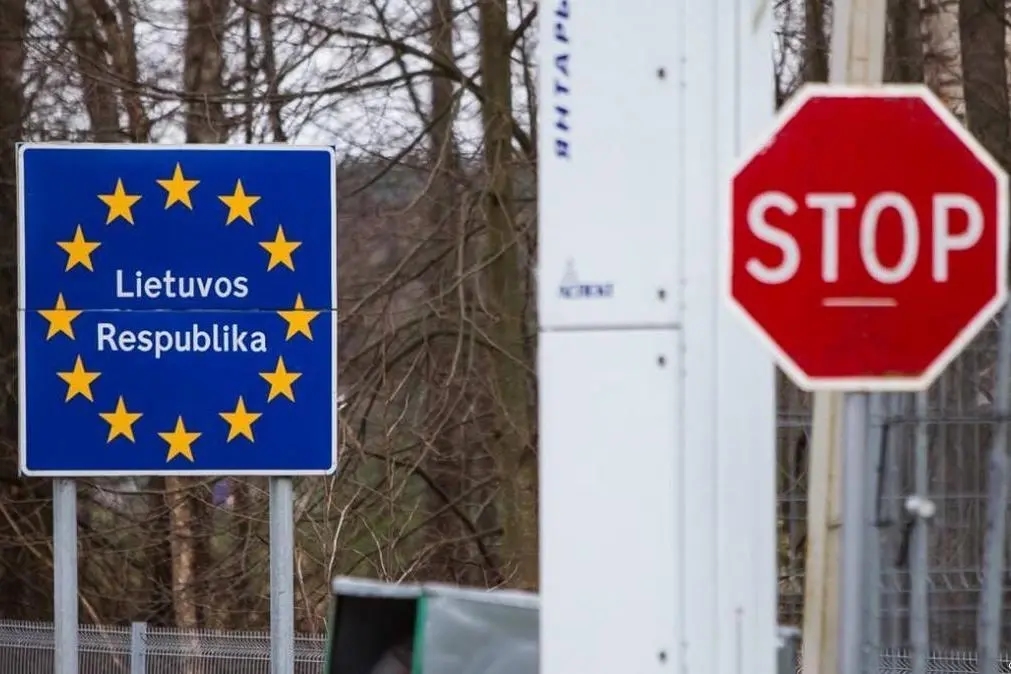
Despite a range of prohibitions, Lithuanian companies continued to supply Russia with drone components, Starlink terminals, and spare parts for the terminals, The Insider found in collaboration with the Lithuanian investigative journalism organization Siena. Lithuania’s border and customs regime with regard to Russia is one of the strictest in the European Union — which is why the goods were routed through Latvia.
How Starlink was brought in
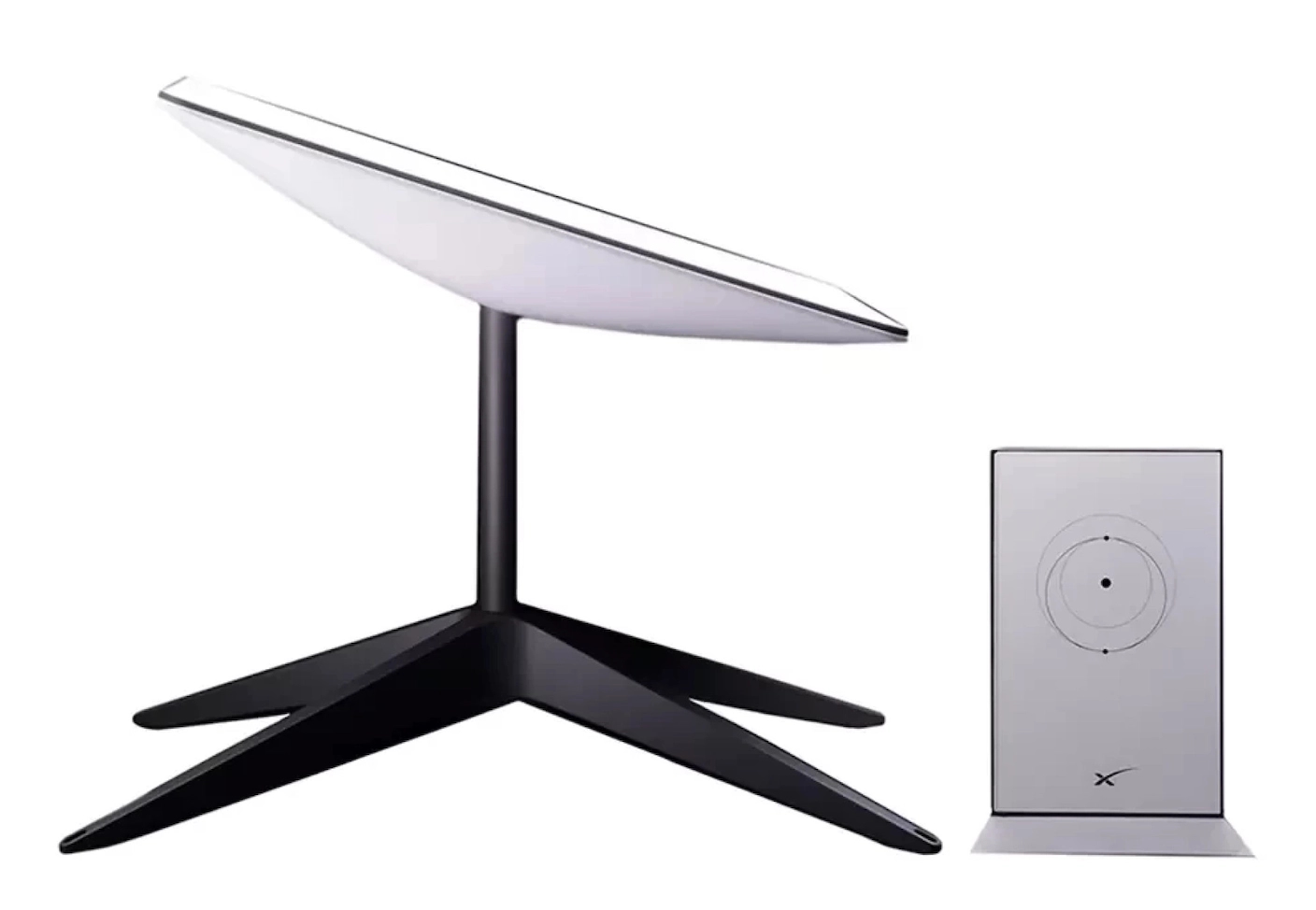
Starlink terminals are known to have been used by both the Ukrainian and the Russian sides in the ongoing war. However, Russia can no longer purchase the terminals legally, so they have to be brought in using a variety of sanctions-evasion schemes.
According to customs data reviewed by The Insider, the Lithuanian company UAB Eseka (CEO Eimantas Skardžius), operating out of the village of Kunigiškiai in the Anykščiai district, imported Starlink terminals and Starlink cables into Russia via the Latvian border in 2024. According to a Siena source, UAB Eseka routed its shipments through Latvia specifically because customs controls there are weaker. The terminals were declared as ceramic tiles.
Motors for “toy” drones
It is evident from an analysis of other products supplied by UAB Eseka that the terminals shipped to Russia were intended specifically for military use. The company also successfully sent its Russian partners Japanese O.S.Engines Mfg Co motors that it described as being “for large-scale radio-controlled airplane models (aeromodels) used for recreational purposes: small-scale internal combustion piston engines with small cylinder displacement and low rated power.”
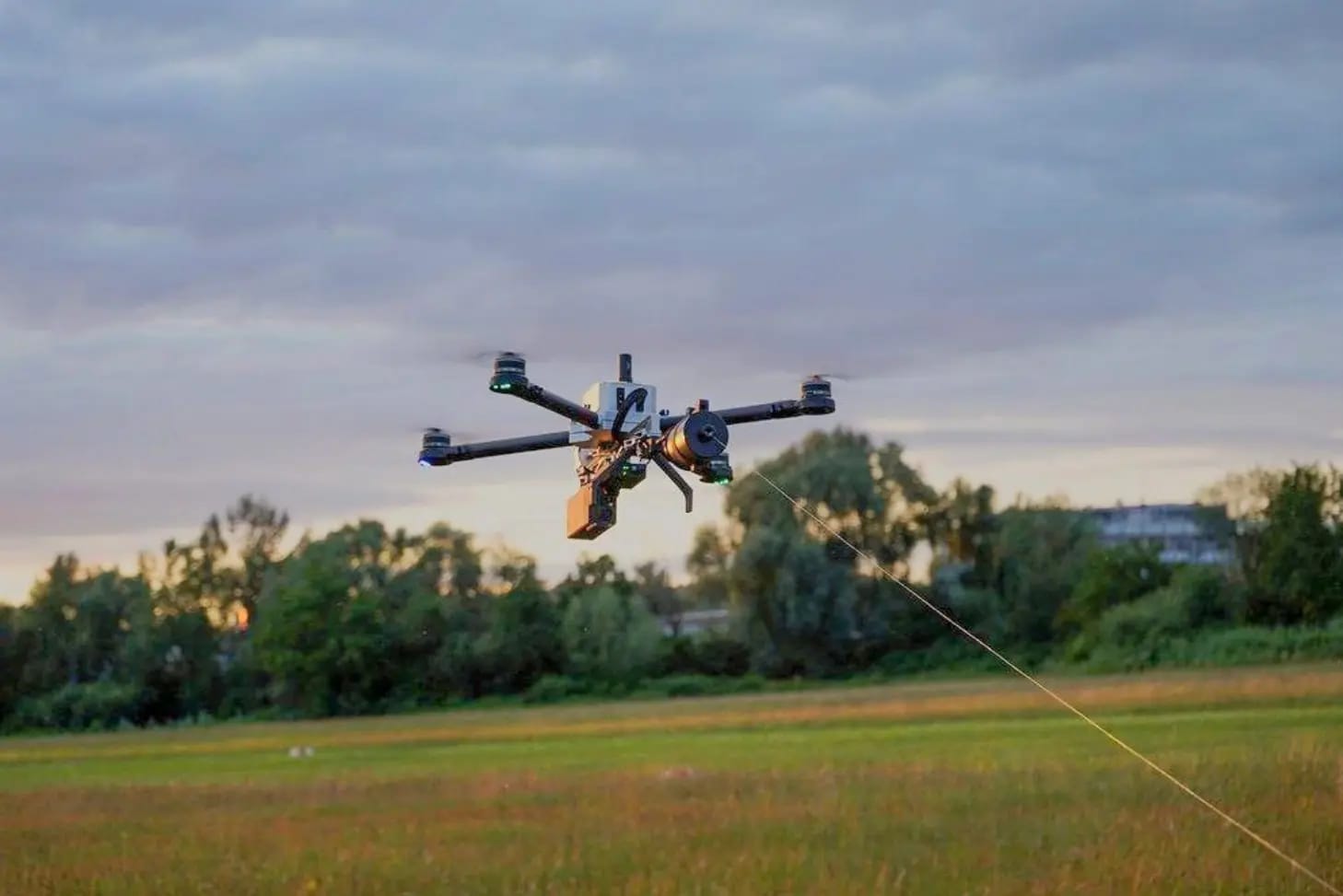
Such motors are actively used by Russian forces to manufacture drones. A total of 124 engines worth $65,000 were imported, and the deal was conducted in yuan. The buyer was LLC Alliance, and the order was placed “on behalf of” Hong Kong-based IPM Limited, which has been under U.S. sanctions since May 1, 2024. IPM Limited CEO Sergei Makarov, a resident of Vienna, continues to fly to Moscow regularly and does not appear to have come under any restrictions on his personal activities.

According to Russian customs data, the core business of Lithuanian firm UAB Eseka involves selling industrial equipment to Russia. Specifically, UAB Eseka provided an American Particles Plus remote aerosol particle counter (for Agrosnab), a German Messner Vakuumtechnik bypass solenoid valve for pressure relief in industrial automation control systems (purchased by LLC Proavtomatika), and an American Sigma Controls electronic sensor for monitoring liquid levels in chemical storage tanks (purchased by LLC Alliance). These instruments can have a wide range of applications across various industries, including the defense sector.
In addition, UAB Eseka supplied Schmitz Cargobull SCB*S3T with semi-trailers and Mercedes truck bodies. Eseka’s trade in Schmitz Cargobull trailers is corroborated by numerous commercial court rulings in which its Russian counterparty, Agrosnab, challenged customs authorities over customs duties.
Goods often reached Russia via the well-established Central Asian sanctions evasion route, as evidenced by the involvement of Kazakhstan's Ava Company LLP and Kyrgyzstan's Edelweiss-MS Trade House LLC as intermediaries, with some orders processed on their behalf. In 2024, 22% of the goods supplied by Eseka were declared with Kazakhstan as the trading country, while another 11% were declared with Tajikistan.
Goods often reached Russia via the well-established Central Asian route for circumvention of sanctions
Presumably, on the Lithuanian side of the border, the goods were declared as having been purchased by companies from those countries, while their true recipient — a Russian entity — was disclosed only to Russian customs authorities. The most common Russian destinations listed in the customs documents were Pskov and Volosovo in Leningrad Region.
Who is Eimantas Skardżius
The rural property where Eseka is registered has been put up for sale. Judging by the owner’s surname, she is a relative of Eseka director Eimantas Skardžius. After failing to reach Skardžius by phone, Šarūnas Černiauskas, a journalist with Siena, called the number listed in the property advertisement. The owner confirmed that the company is indeed registered at the property, adding that Eimantas’ phone had been “taken away.” At the time of publication, Eimantas had not responded to the journalists’ requests for comment.
Eimantas was also linked to a number of other entities in Lithuania (Broland, Oreseta, and Audasta) and Latvia (Ematrans and Translite). His business partners included the Hungarian company Llandudno Trading Kft. and offshore firms St. Anna International Trading Ltd. and Kirida Co Ltd.
Eimantas’ reputation in the business community also proved to be unusual. A Lithuanian court ruling revealed that Eseka had leased a truck and trailer from another Lithuanian company to transport goods to Belarus but failed to return the vehicles. The truck was later found abandoned near the Belarusian border, while the trailer disappeared altogether.
Lithuania’s Defense Minister Robertas Kaunas told Siena that he considers such suppliers to be “traitors to the state. They have betrayed our country. They are clearly helping Russia maintain its ability to kill civilians. And who can guarantee that Russia will not use the same equipment, the same sanctions evasion schemes, to carry out active measures against other countries — for example, the Baltic states?”