Following the failed sabotage operation at Germany’s Leipzig/Halle Airport in early August, many media outlets, citing sources in law enforcement, named some of the perpetrators and reported on the likely involvement of Russia’s military intelligence agency (GRU). However, they were unable to provide concrete evidence. The Insider not only managed to find direct proof that the sabotage operation was organized by the GRU, but also identified additional operatives in the Leipzig plot who had previously been linked to sabotage operations in Poland.
A joint investigation with Der Spiegel.
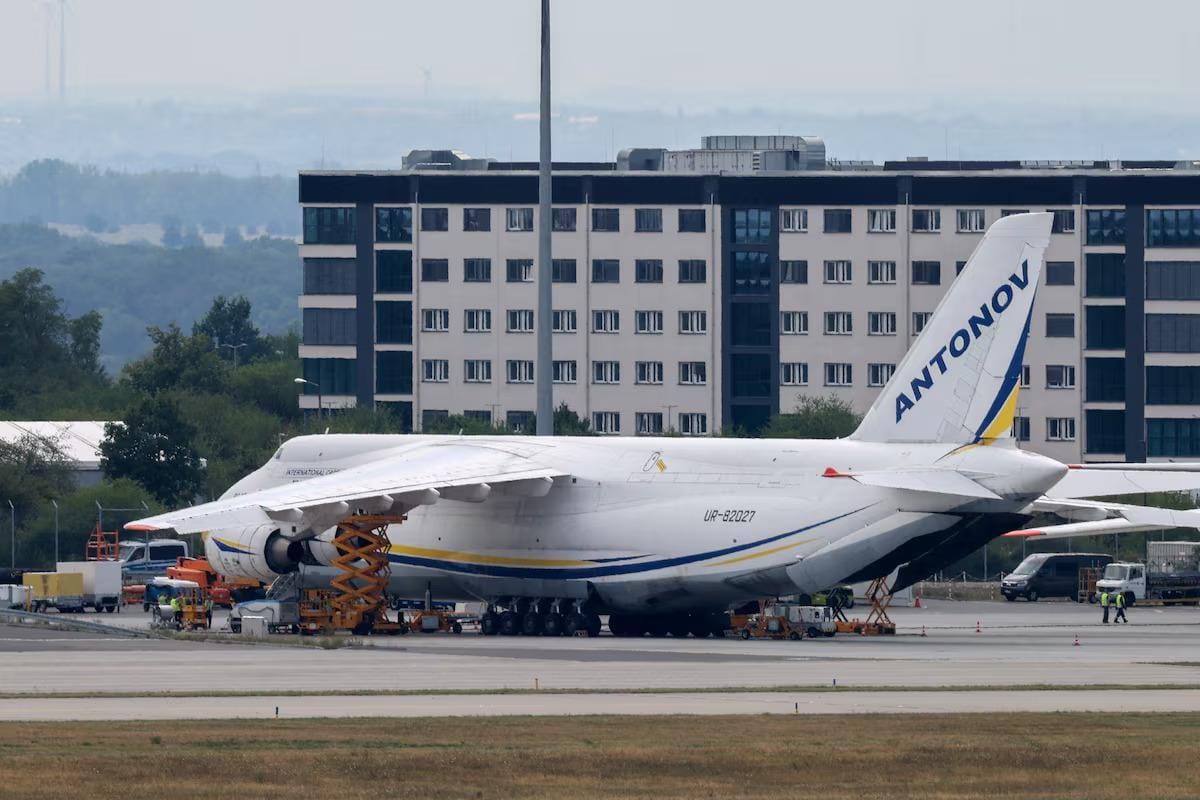
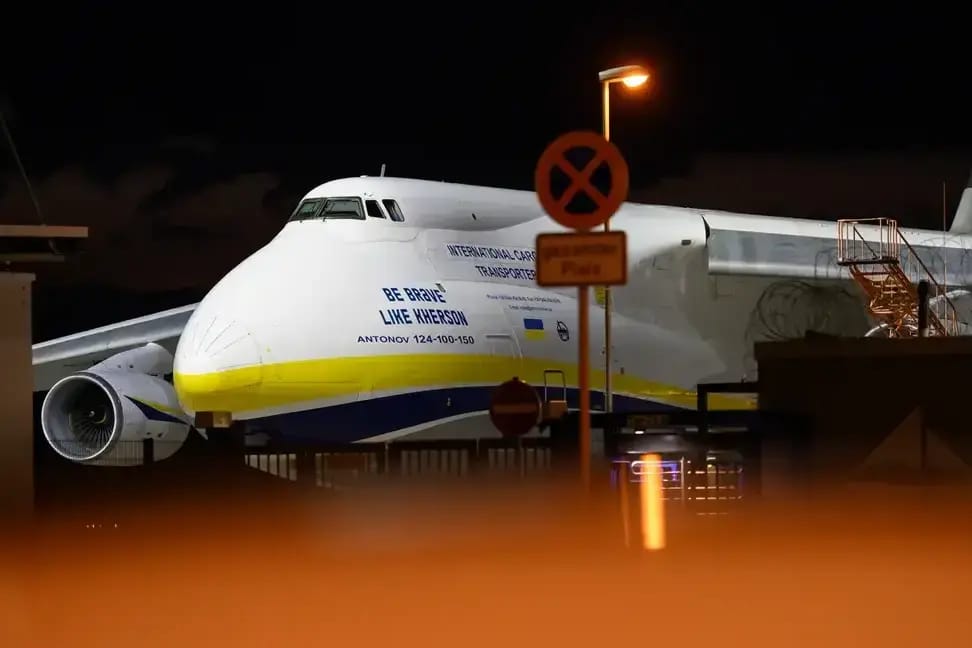
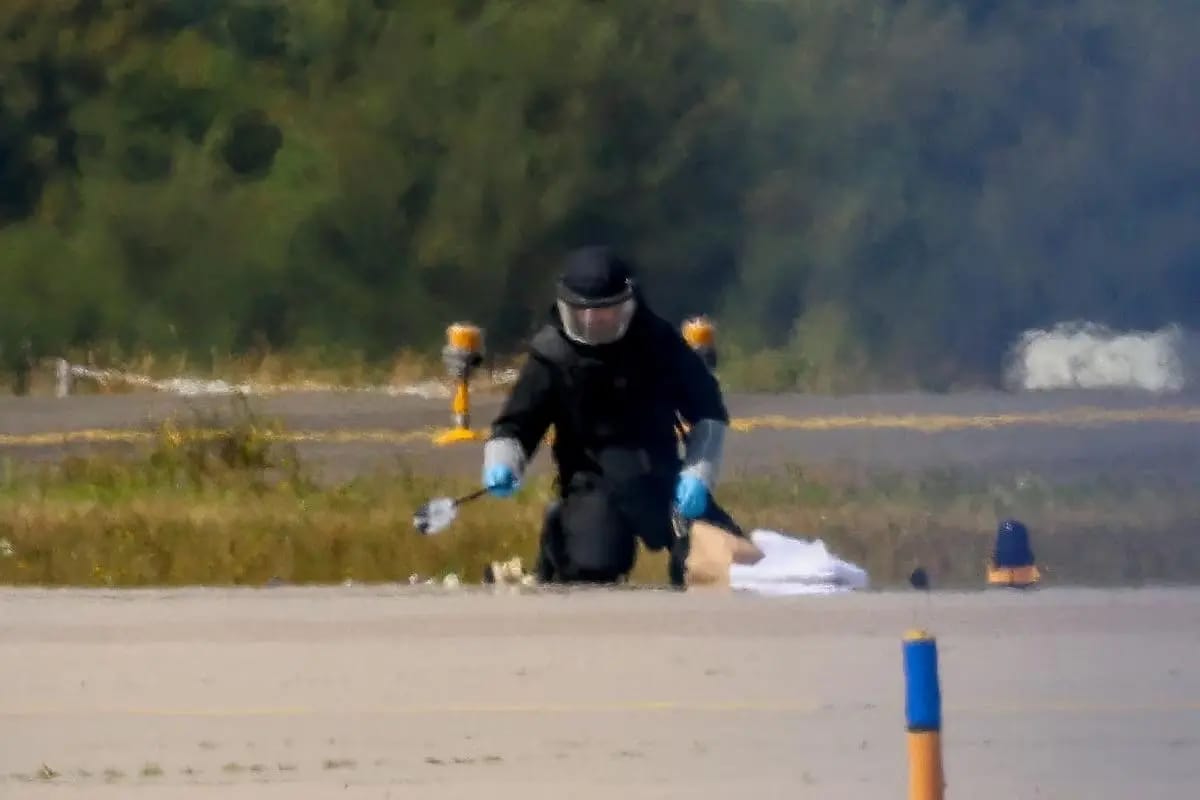
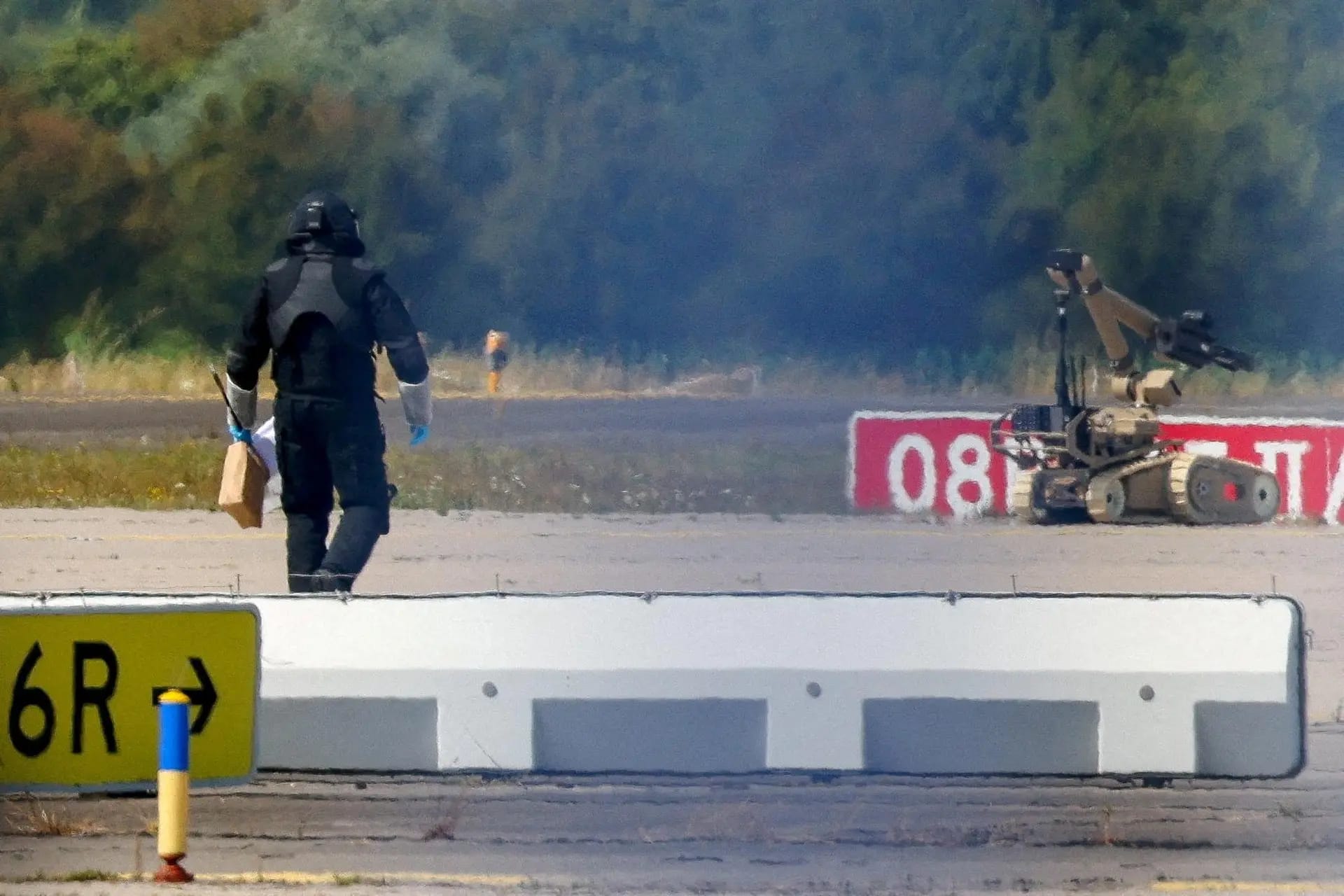
On the evening of Aug. 4, a drone carrying explosives crashed into the wing of a Ukrainian An-124 cargo plane parked at Leipzig/Halle Airport in the German state of Saxony. The device failed to detonate, and the drone fell to the ground, where it was discovered several hours later by a bus driver. At the time, the aircraft was empty, but shortly before the incident, it had transported ammunition from France via Leipzig. One can only speculate as to the level of destruction that might have resulted had the act of sabotage succeeded in causing the explosion of an aircraft loaded with ammunition.
Interior Minister Alexander Dobrindt said the police investigation and intelligence data pointed to Russian responsibility for the attempted attack. Media reports, citing sources familiar with the investigation, identified the suspects as Oleg L. and Andrei K. both of whom were said to be linked to the GRU. One of the suspects was reported to hold Latvian citizenship, a detail confirmed by Latvian intelligence authorities, but no further details or supporting evidence were presented at the time.
Now, however, The Insider has managed not only to identify the perpetrators but also to prove the GRU’s involvement in organizing the sabotage operation.
How the GRU organized (and failed) the sabotage operation in Leipzig
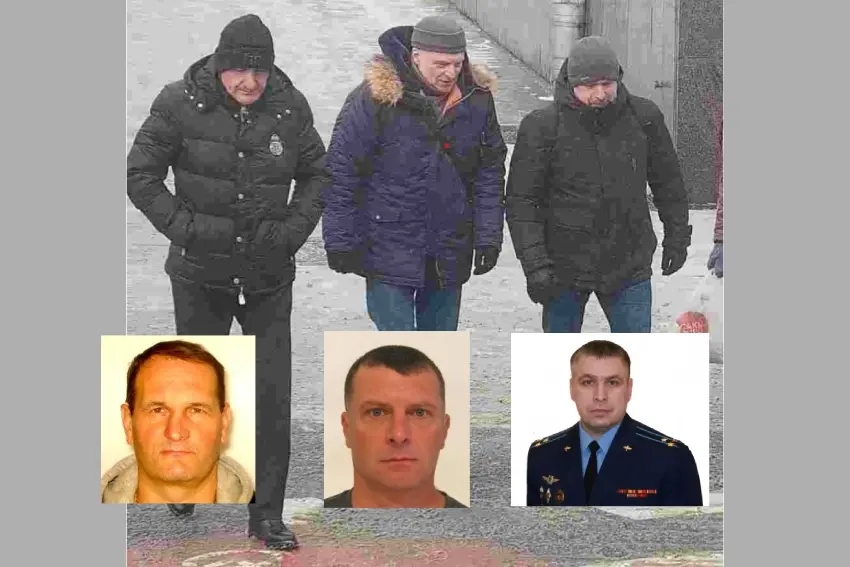
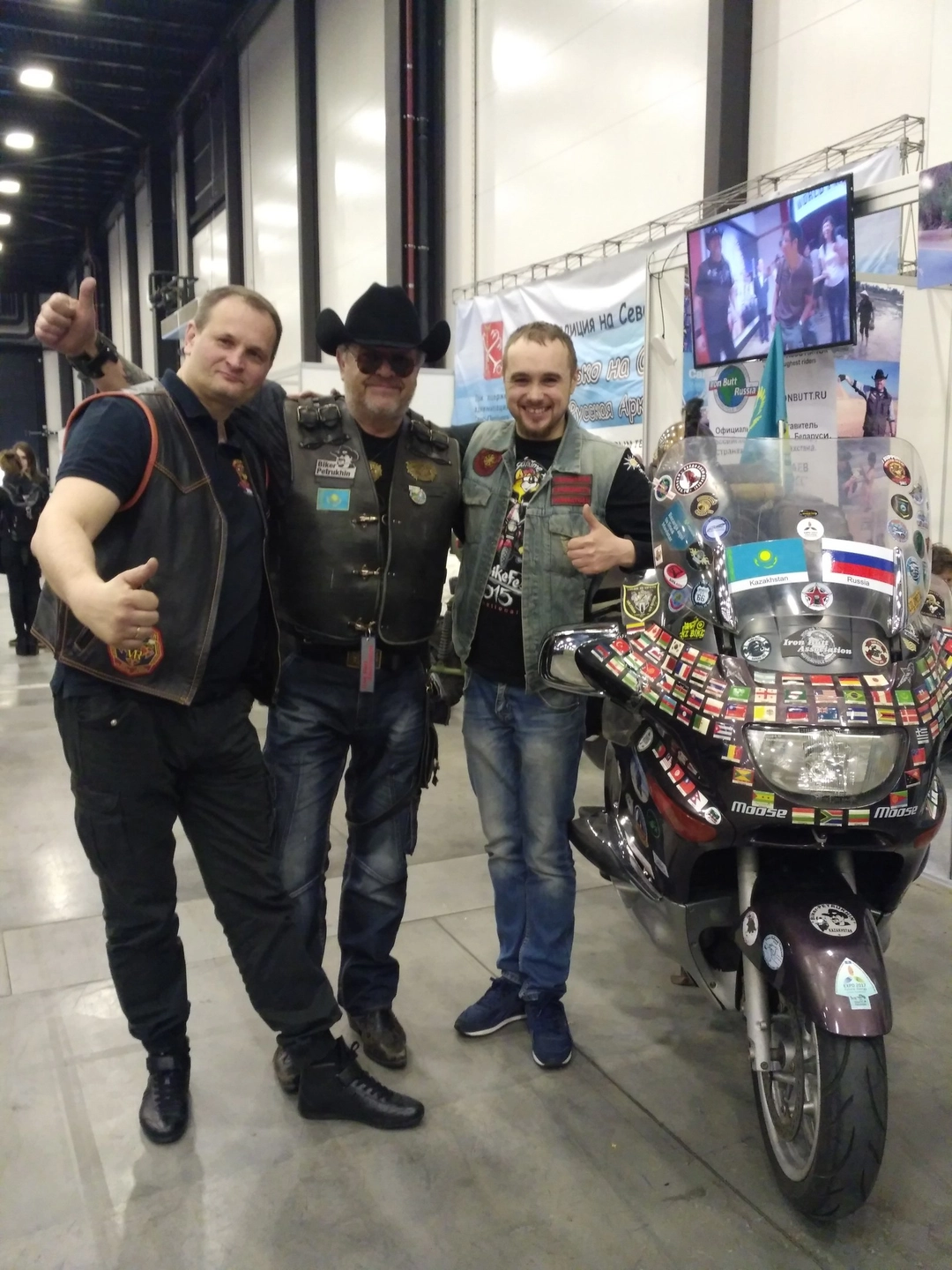
On a cold morning in January 2026, GRU Colonel Denis Smolyaninov (on the right in the photo below) was walking through Moscow in interesting company — with knife-throwing coach (who also happens to be a deacon of the Orthodox Church) Vladimir Trofimov (left) and arms dealer Andrei Usachev (center). It is unclear what the group discussed that day, but Usachev appears to have had information to share with military intelligence officer Smolyaninov.
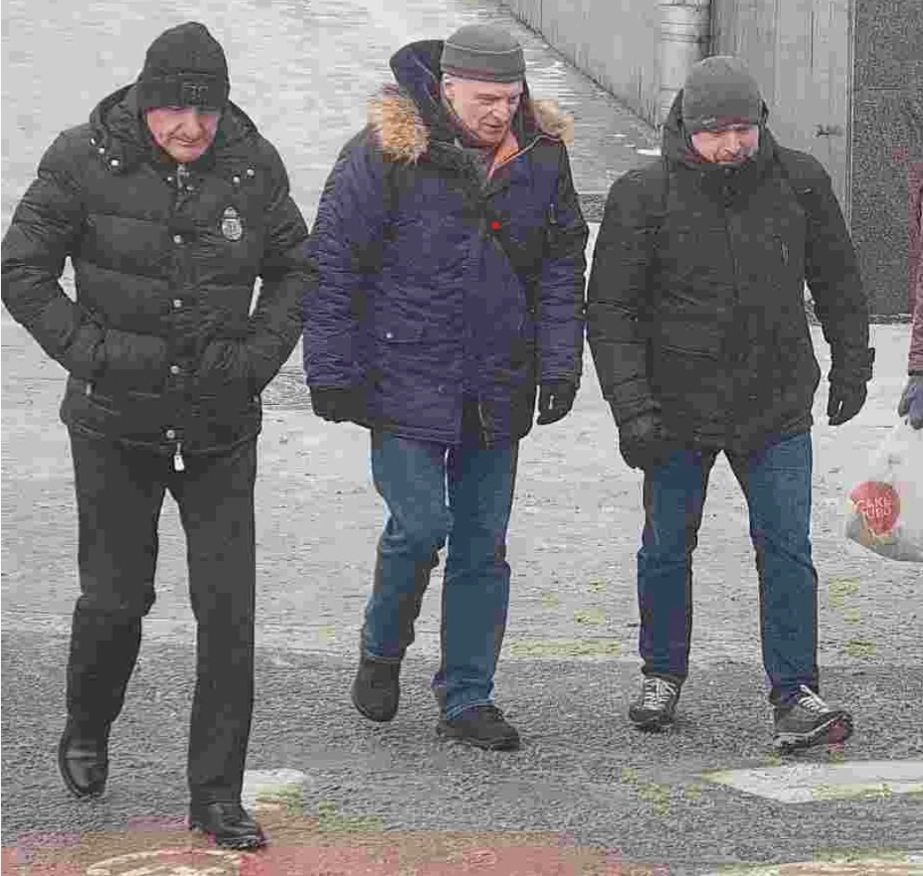
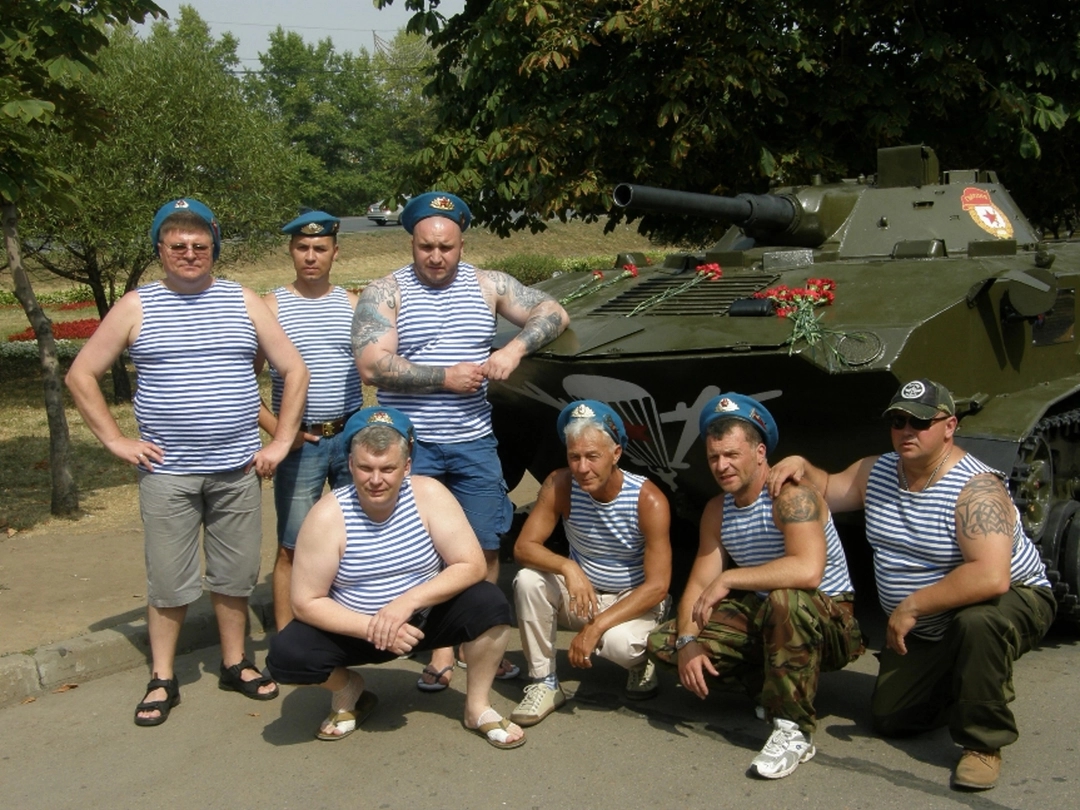
Andrei Usachev, 54, began his military career in Russia’s Airborne Forces. In 2000, he was sentenced to nine years for an armed robbery that took place at a currency exchange office, and after his release, he went into the business of manufacturing and trading weapons. Usachev’s company, “Oruzheynaya Palata,” initially thrived after becoming a supplier to the Russian National Guard. However, in 2023, reports revealed that their “Vyzhigatel” system turned out to be nothing more than a cheap Chinese drone — the SkyfendHunter SHH100 — which had been imported into Russia illegally. Usachev left the company, but his expertise in military drones was still in high demand — which is why he drew the attention of Russia’s military intelligence agency.
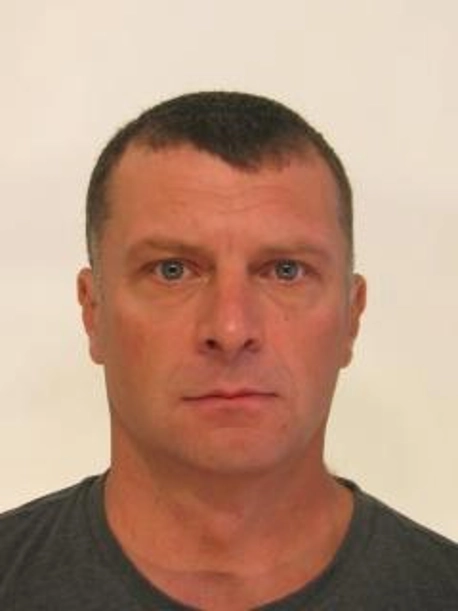
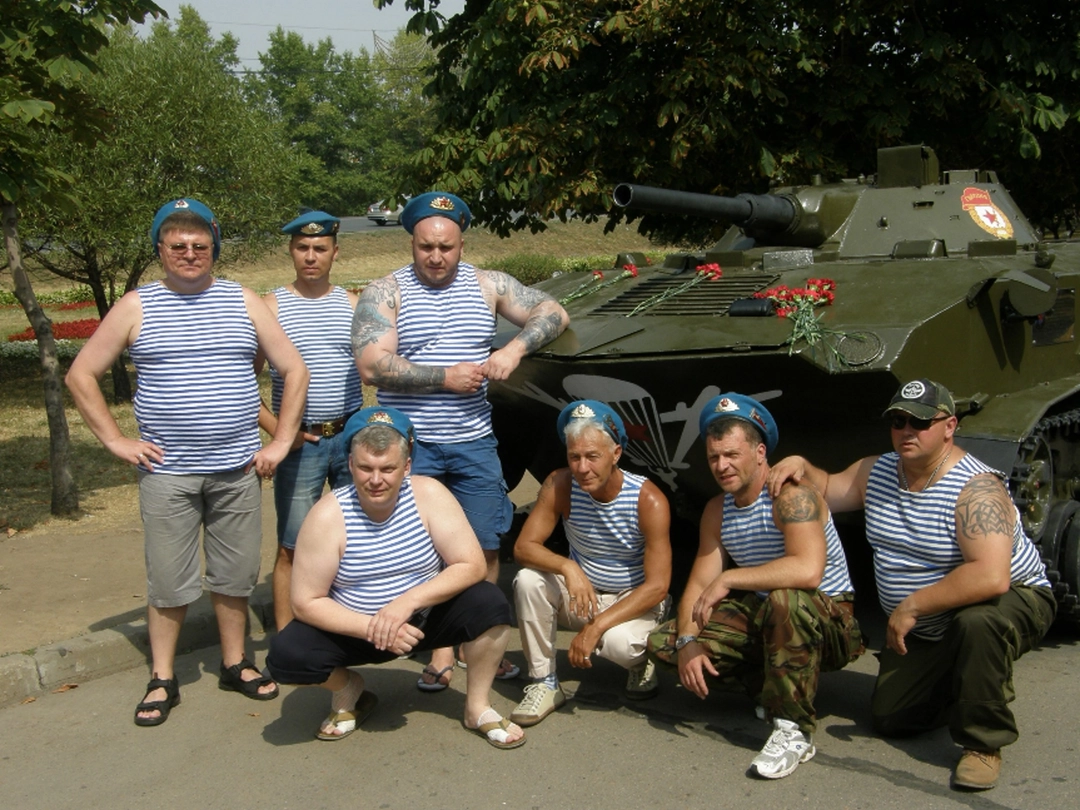

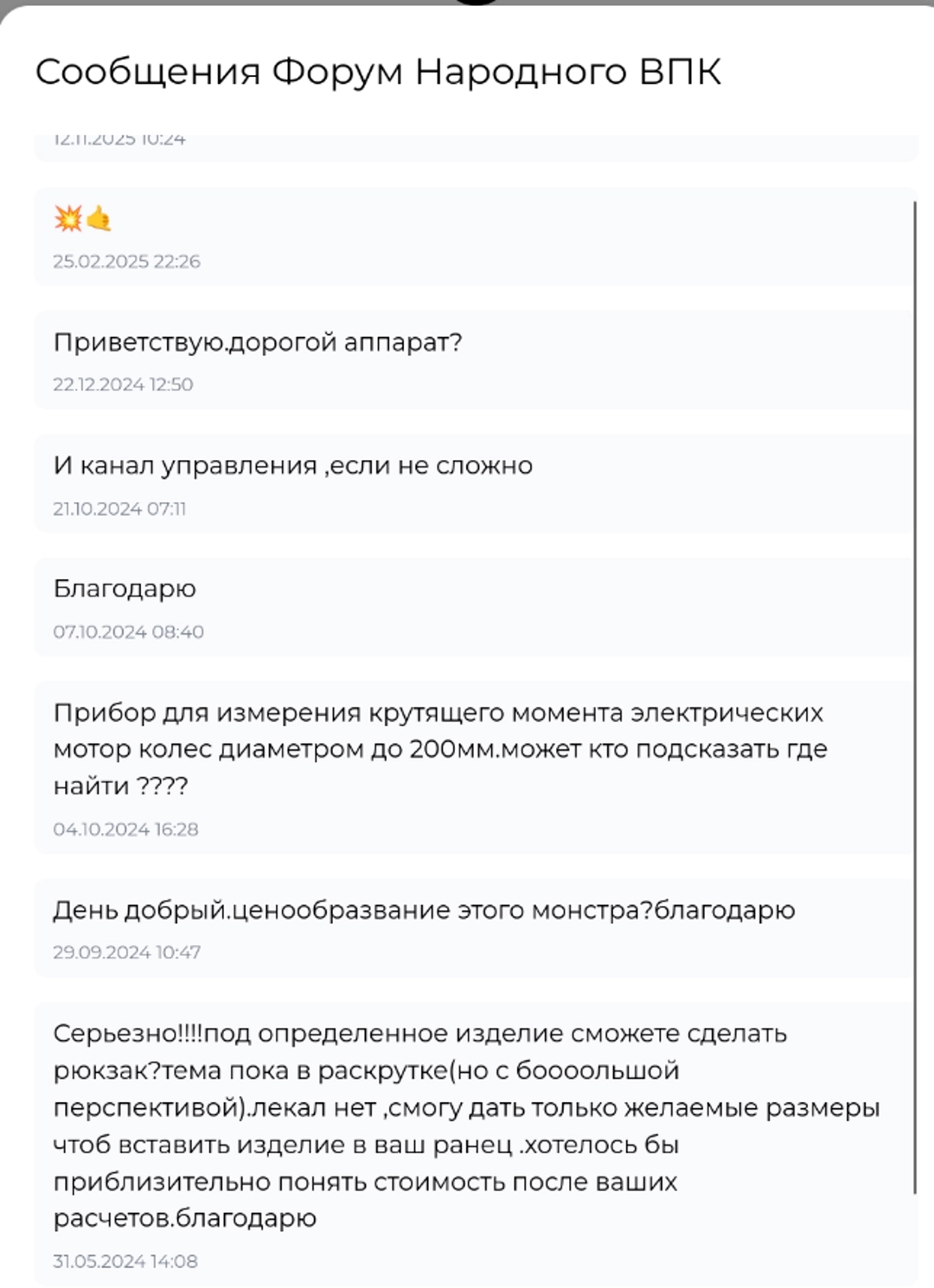
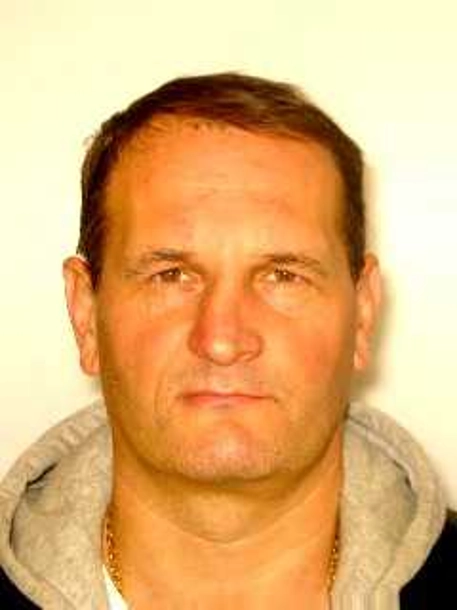
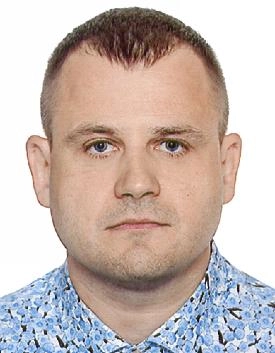
Usachev’s interest in drones was not merely theoretical. His billing records, obtained and reviewed by The Insider, show that on July 13, 2026, Usachev called Oleg Levushkin, an acquaintance from the city of Pskov. In everyday life, Levushkin was known as a biker and a small-time businessman who ran a small company importing tea, coffee, and spices. However, for the GRU, Levushkin had a more important asset: Latvian citizenship, which meant he could freely enter the EU.
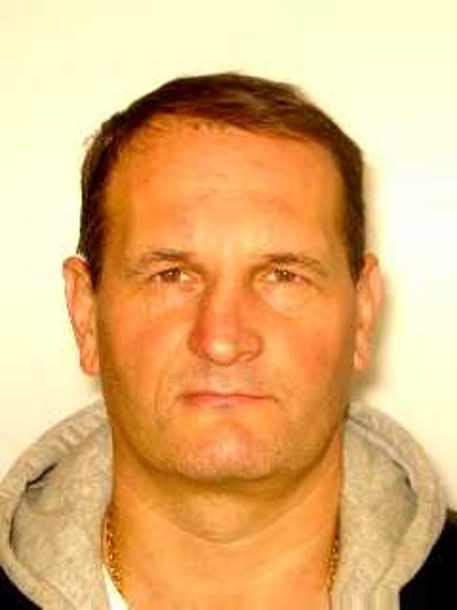
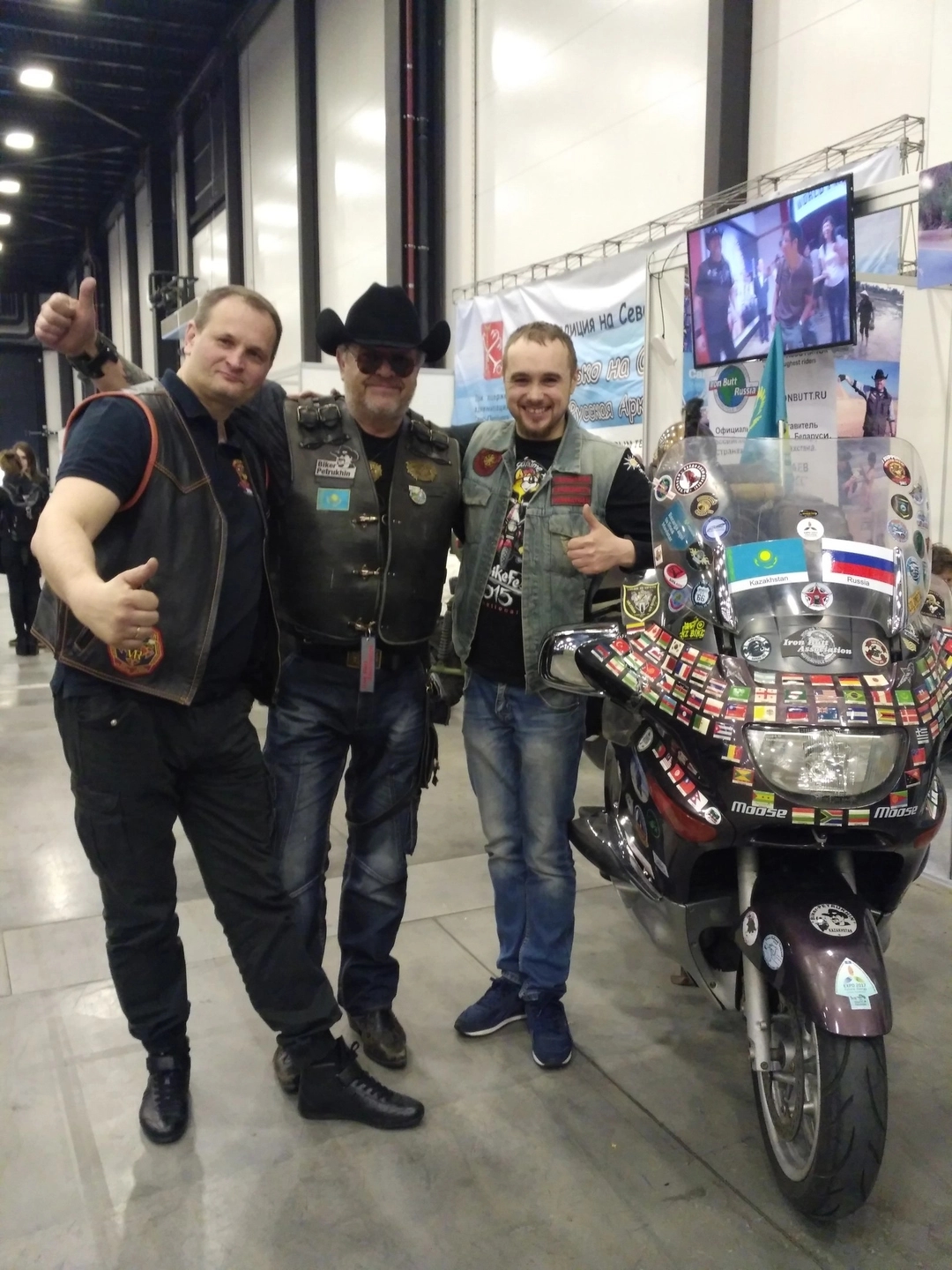
Levushkin did not act alone. His accomplices were the ones who actually carried out the failed sabotage operation — and they turned out to be familiar to The Insider from a separate sabotage operation that took place two years ago.
Belarusian criminals and the arson at Leroy Merlin
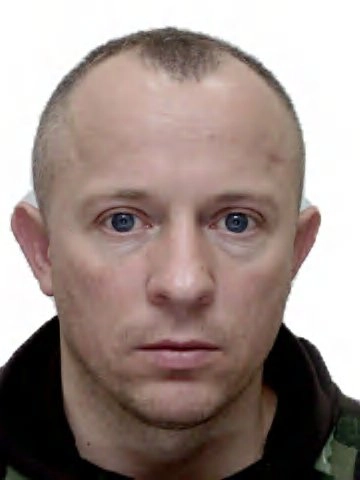
According to the investigation, Levushkin’s accomplice was the direct perpetrator of the failed Leipzig sabotage operation: Andrei Karshakov, a citizen of the Republic of Belarus residing in Russia (the same “Andrei K.” whom the investigation referred to publicly). Reporting by German media has indicated that traces of Karshakov’s DNA were found on an antenna that, according to investigators, was used to amplify the drone’s signal while the operator directed it to its target.
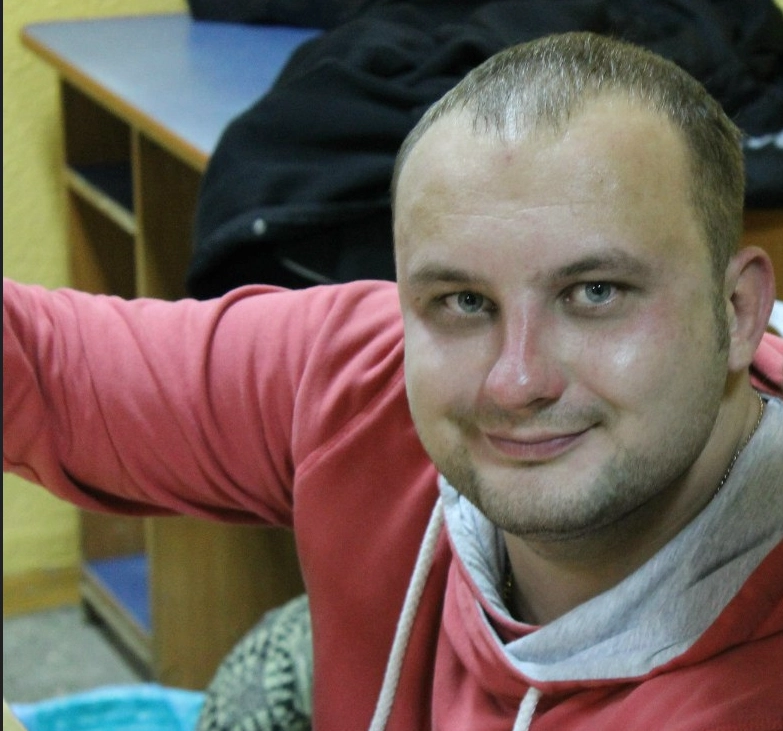
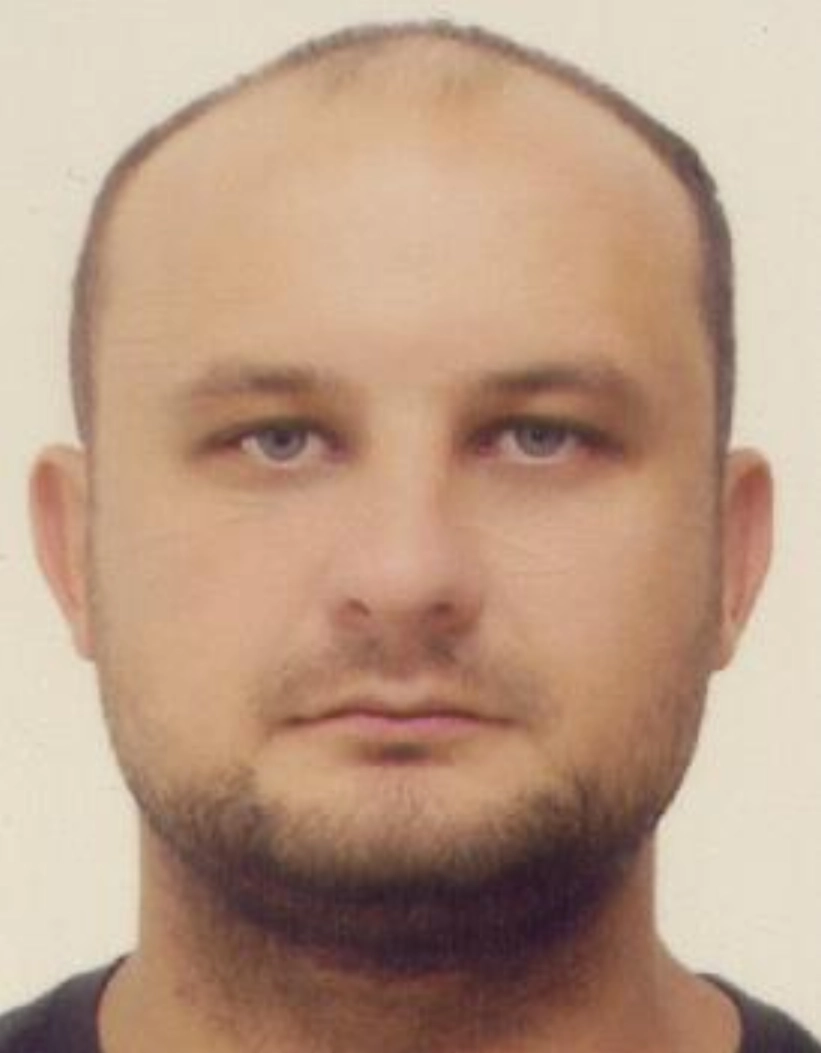
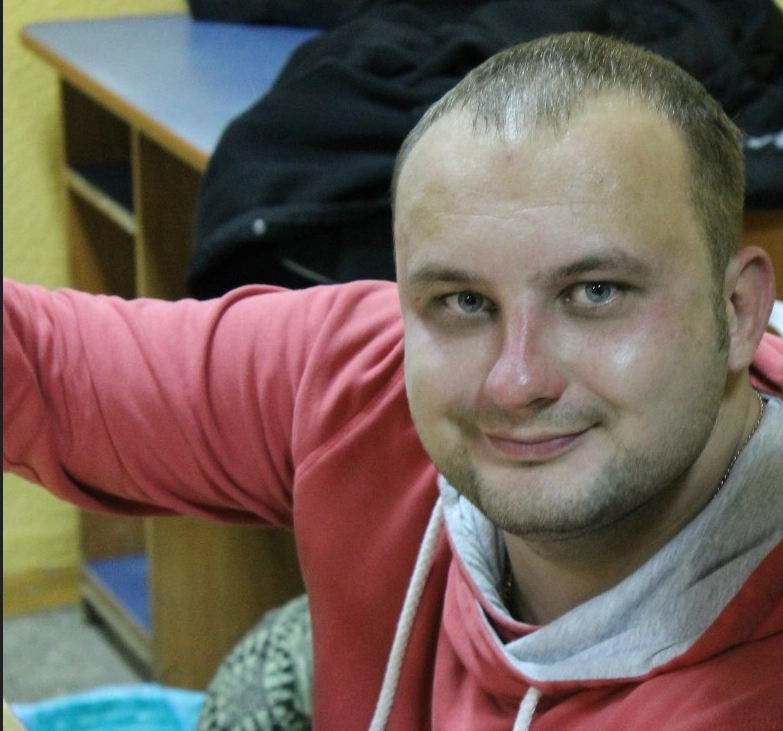
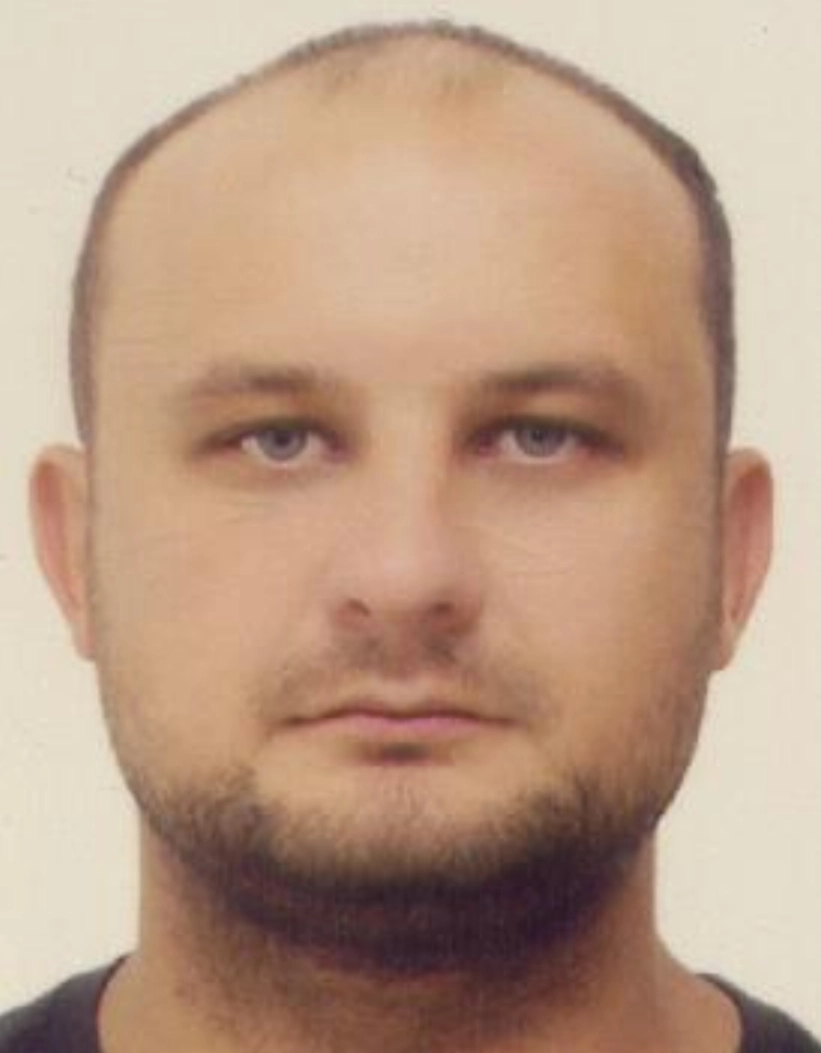
This was not Karshakov's first act of sabotage. As it turns out, he had taken part in an arson attack in the Polish city of Łódź two years earlier. On July 25, 2024, a shelf containing plant protection products and insecticides ignited at the Leroy Merlin hypermarket. Firefighters extinguished the blaze within an hour, estimating the damage at 200,000 zlotys (approximately 45,000 euros). The probable cause was cited as a violation of storage regulations. At the time, the Polish media did not pay much attention to the incident.
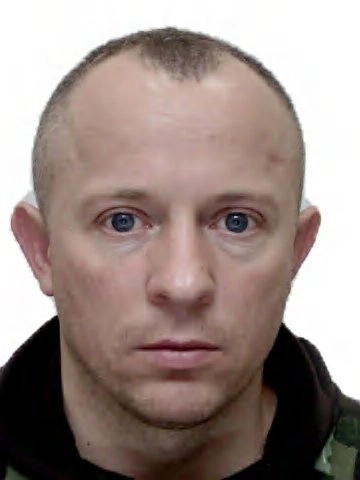
However, law enforcement took notice of two suspicious individuals who had been in Łódź at the time. The Insider identified them thanks to videos in which they were caught on camera withdrawing money from a local ATM. One of them turned out to be the aforementioned Karshakov, and the other was another Belarusian, Maksim Lapunov (he officially changed his last name but somehow managed to continue using his old passport under the name Maksim Kolosov).
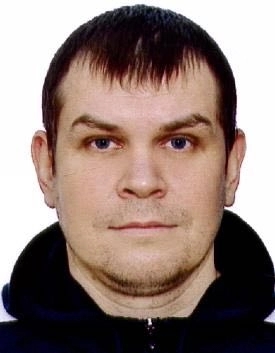
Flight records indicate that Lapunov was involved in the Leipzig sabotage. On July 19, 2026, two weeks before the drone was discovered at the German airport, Lapunov flew from St. Petersburg to Ankara and then to Belgrade, all in the same day. According to sources within the law enforcement agencies of a European country that spoke to The Insider, Lapunov likely made his way from Serbia to Germany.
It cannot be ruled out that there were other participants in the Leipzig sabotage. Border crossing data indicates that Karshakov often traveled with his accomplices, also Belarusians living in Russia: Vyacheslav Aysin, former police officer Denis Shulgan, and Roman Kovalevsky (who has a rap sheet in Russia that includes theft and robbery). The role of Karshakov’s accomplices in the Leipzig sabotage remains unclear, though it is interesting to note that Aysin regularly visited Germany — including the city of Leipzig.
Criminals in service of the GRU
GRU Colonel Smolyaninov was born in 1976 in Chelyabinsk, where he graduated from the Chelyabinsk Higher Military Aviation School for Navigators. He then served in Smolensk before receiving further training at the GRU Academy on Narodnogo Opolcheniya Street in Moscow. He eventually moved to St. Petersburg, where he began working at the GRU’s 172nd Command and Reconnaissance Center, where his work focused primarily on Ukraine.
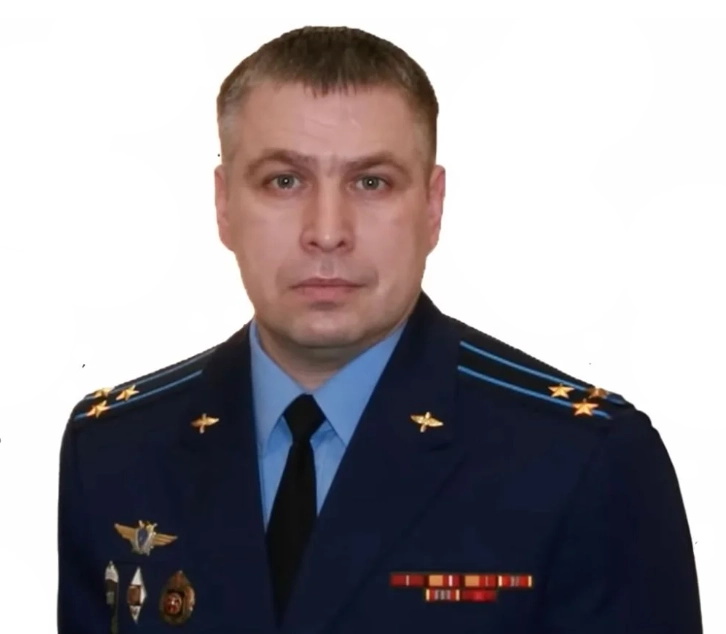
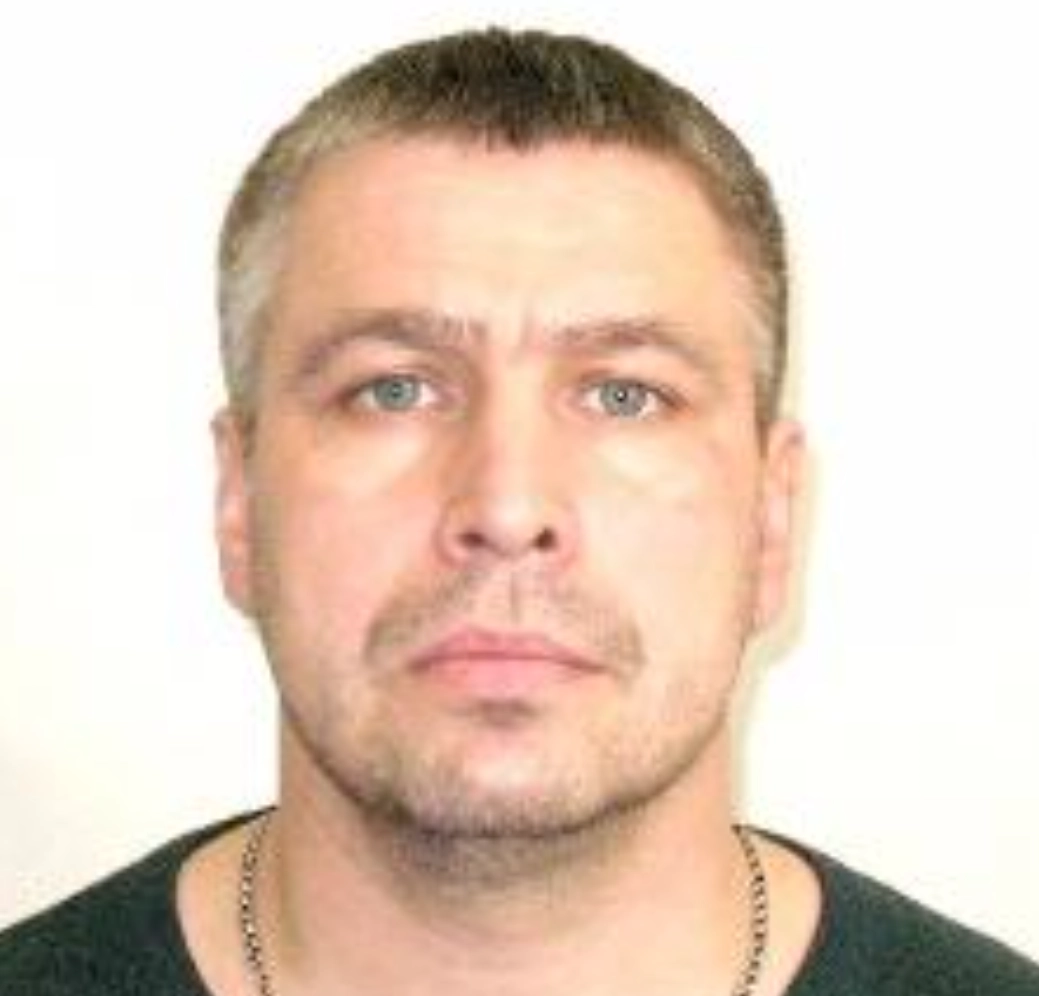
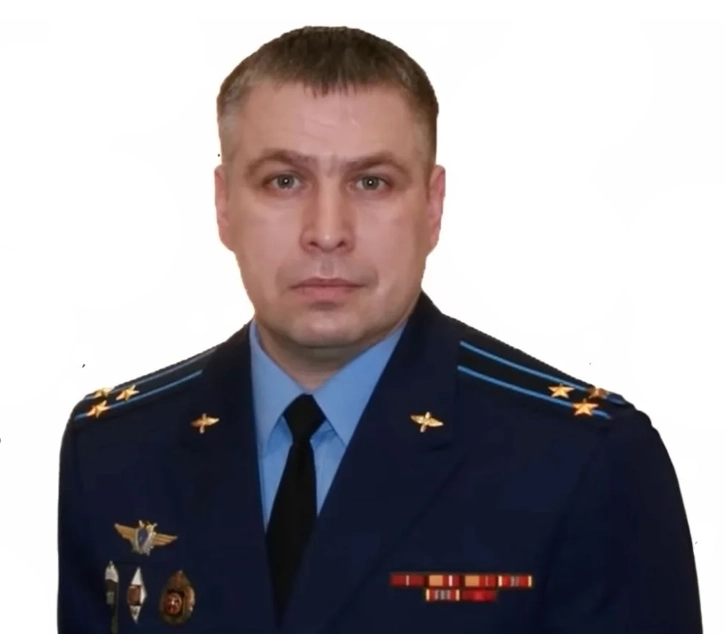
Smolyaninov was involved in recruiting criminals to carry out missions abroad. As early as 2023, the independent Russian investigative outlet Dossier Center reported on how he had recruited neo-Nazis previously convicted of murder to work as agents in Ukraine.
Among the criminals recruited by Smolyaninov were some true stars of the Russian underworld. For example, former GRU officer Vladimir Borisov, nicknamed “Praporshchik,” had founded the organized crime group Falcon-95 in St. Petersburg in the 1990s and employed several methods he picked up at the intelligence agency, including advanced wiretapping techniques and professional makeup for hitmen that was prepared by specialists from the Lenfilm film studio. Despite numerous murders, kidnappings, and hostile takeovers of multiple businesses, the gang’s leader managed to avoid serious charges in court, receiving only a suspended sentence.
In 2014, Borisov tried to establish his own private military company (PMC). That effort apparently laid the groundwork for his alliance with Smolyaninov, as the GRU was actively helping create PMCs at the time to provide cover for its operations. However, unlike the late Yevgeny Prigozhin (another St. Petersburg ex-con), Borisov did not achieve much success. In 2017, he even found himself wanted in connection with the hostile takeover of the state-owned Institute of Architectural and Construction Design. He went into hiding in Bulgaria before being extradited to Russia in 2021.
Borisov was believed to be serving a prison sentence in Russia. However,The Insider has confirmed that he was released soon after his initial incarceration and issued a new passport, which he has since used for his extensive travels abroad.