Several Russian “shadow fleet” tankers heading toward the English Channel began changing routes after British forces detained the vessel Smyrtos (IMO: 9389100), the first such operation by the UK against a ship it identifies as part of Russia’s sanctions-evasion fleet. The movements were recorded by maritime monitoring service Starboard Maritime Intelligence, which provided the data to The Insider.
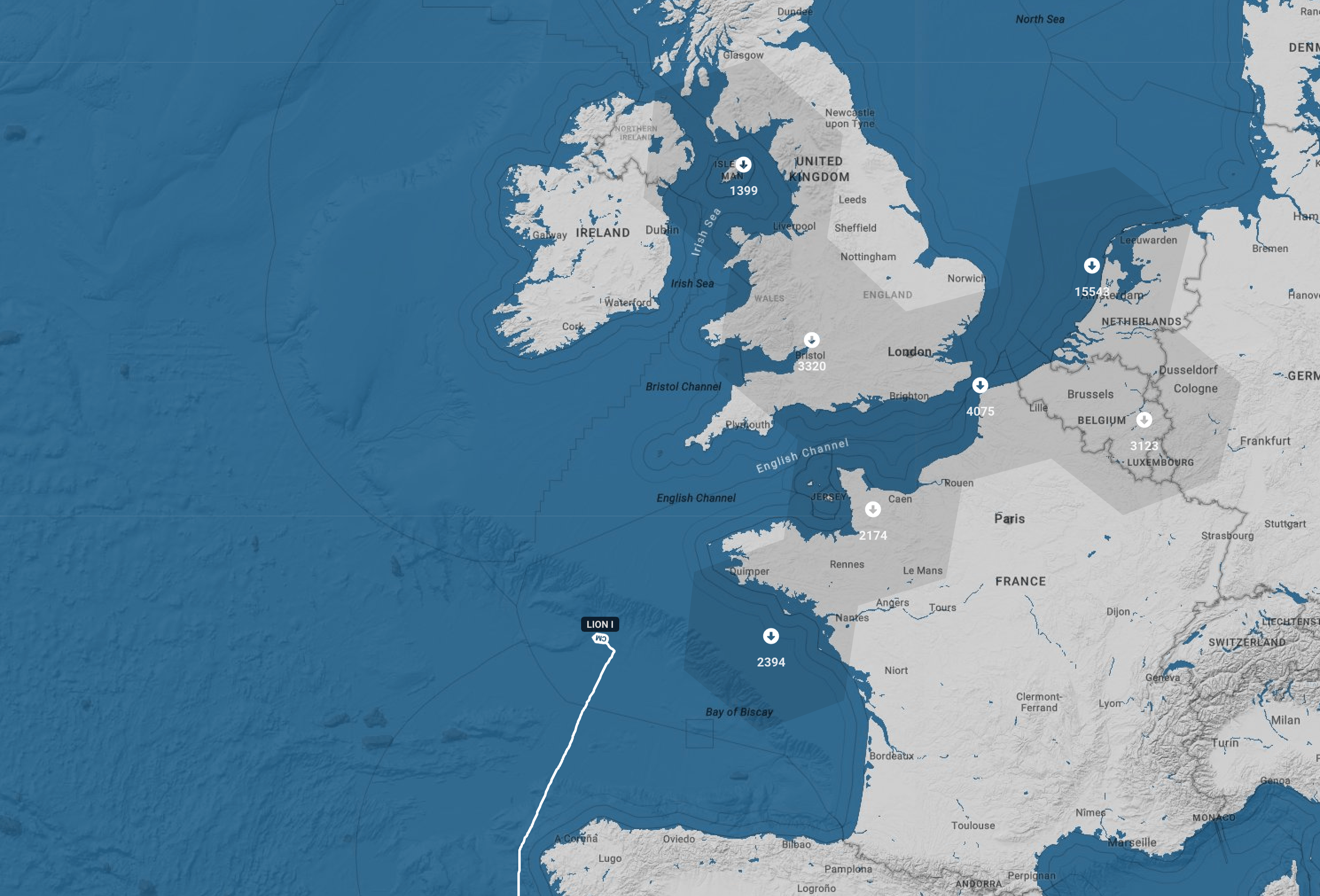
The Cameroon-flagged tanker LION I (IMO: 9384069), which had been traveling through the Mediterranean toward the Atlantic, made a sharp turn before approaching the English Channel and headed toward Ireland. It will likely bypass the islands through the North Atlantic. Its AIS destination was listed as “for orders,” a shipping term meaning the vessel is awaiting further instructions, making it impossible to determine the final destination.
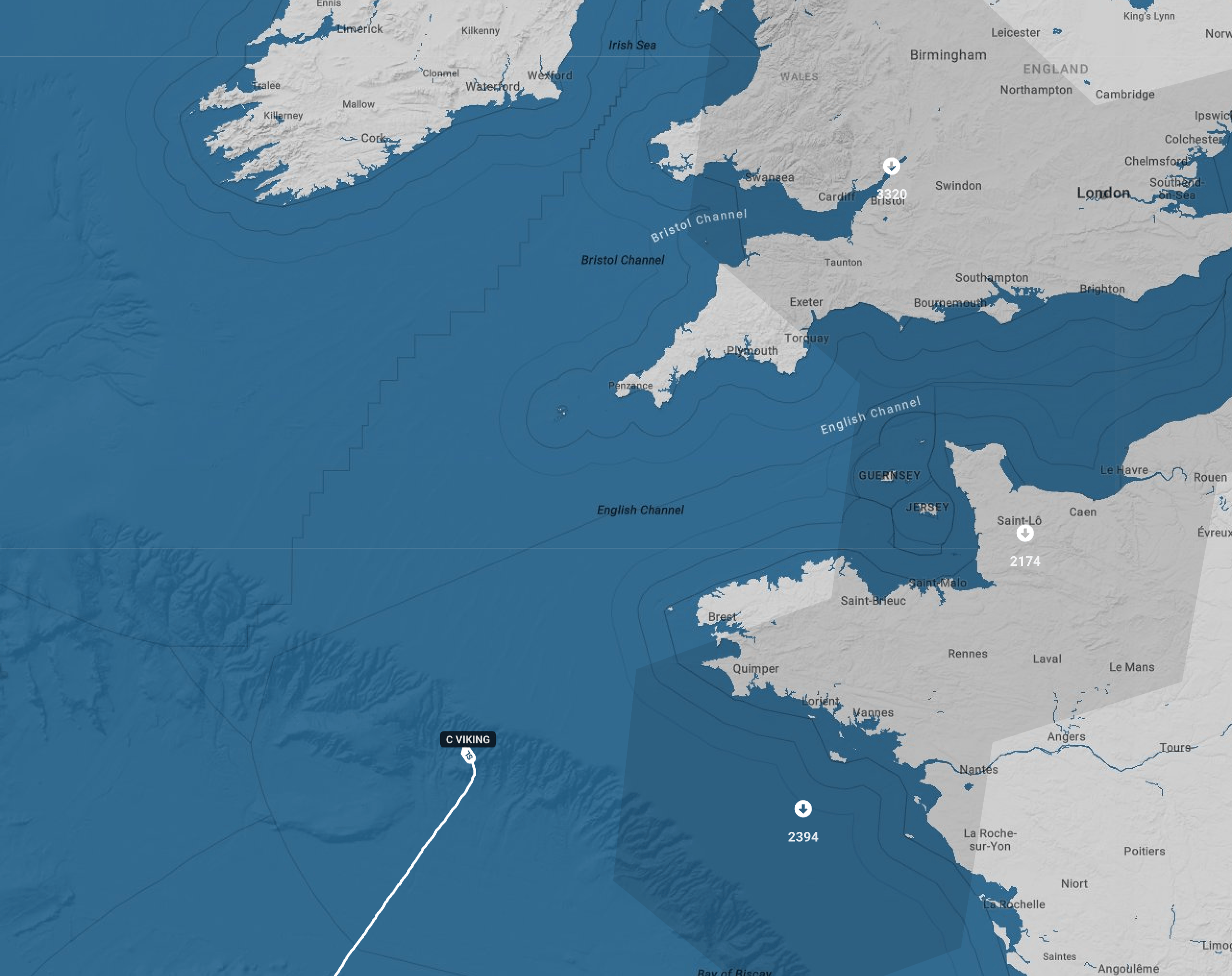
Another tanker, the Sierra Leone-flagged C VIKING (IMO: 9261657), also unexpectedly changed course in the North Atlantic and headed toward Ireland. Its destination was also listed as “for orders.”
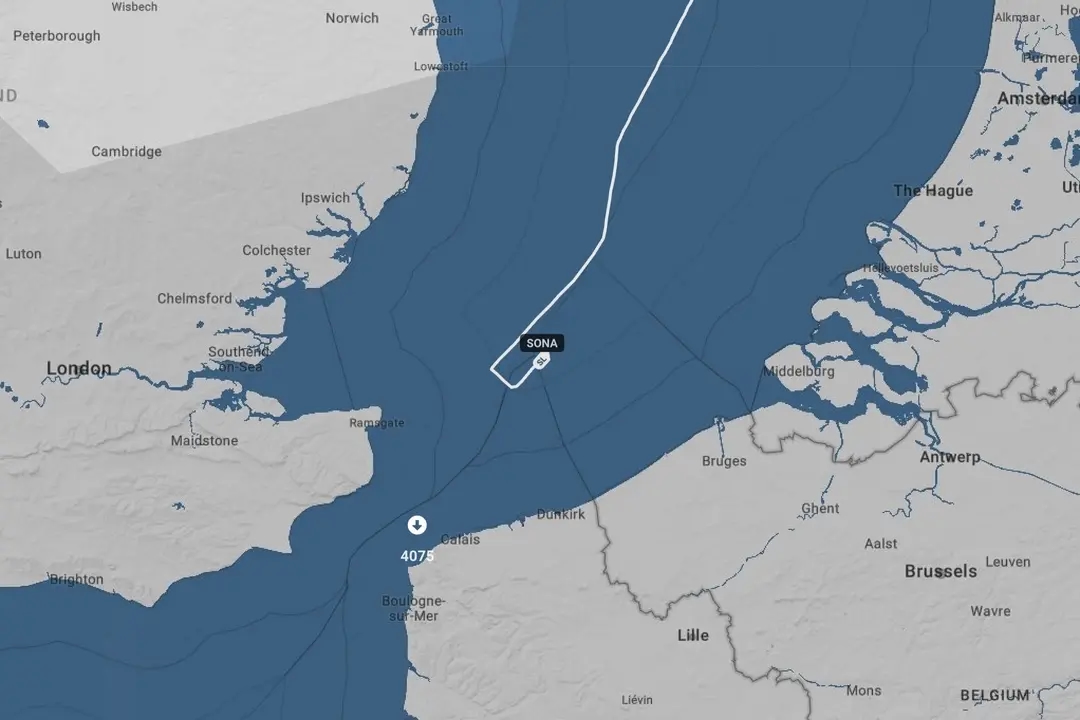
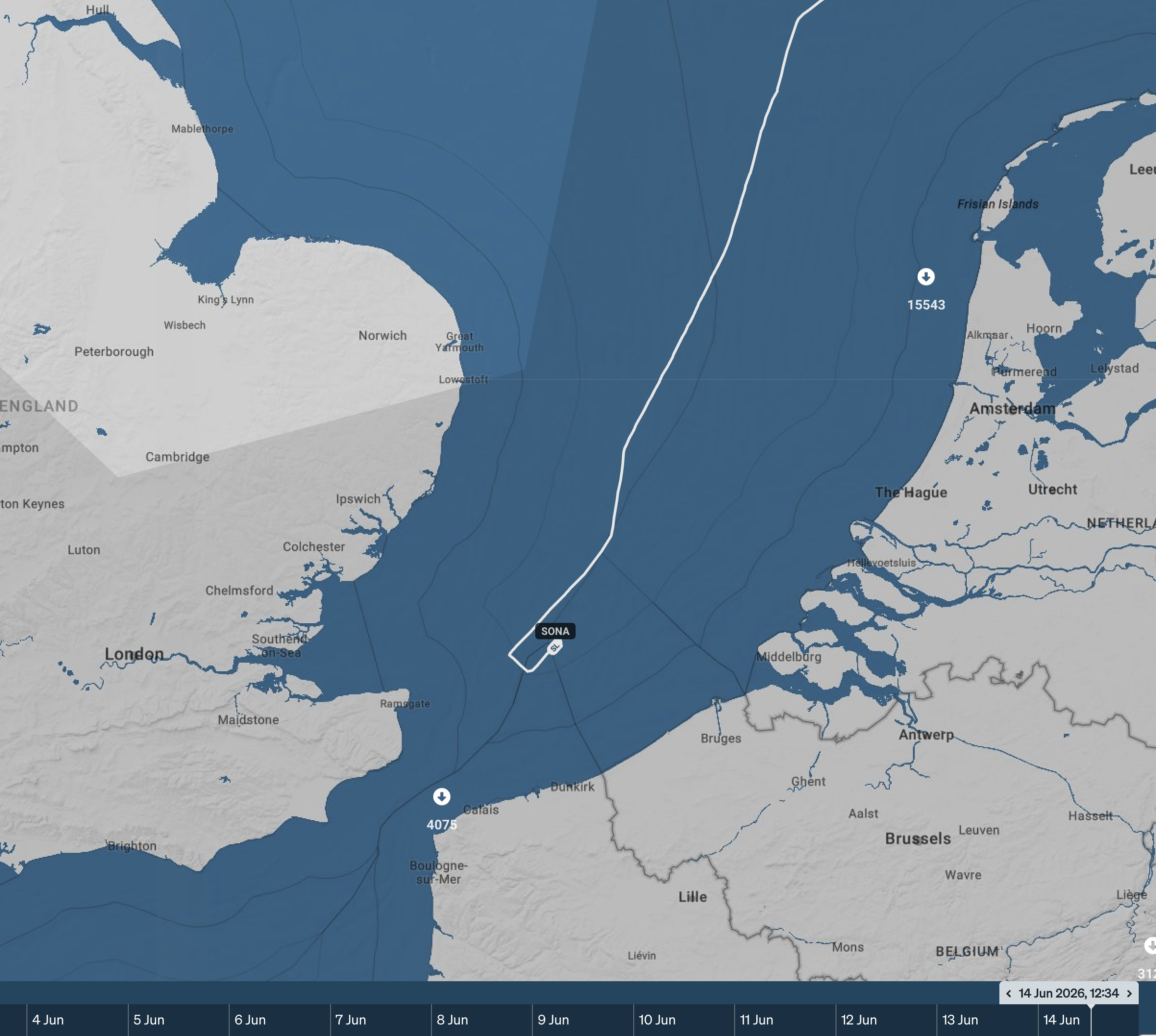
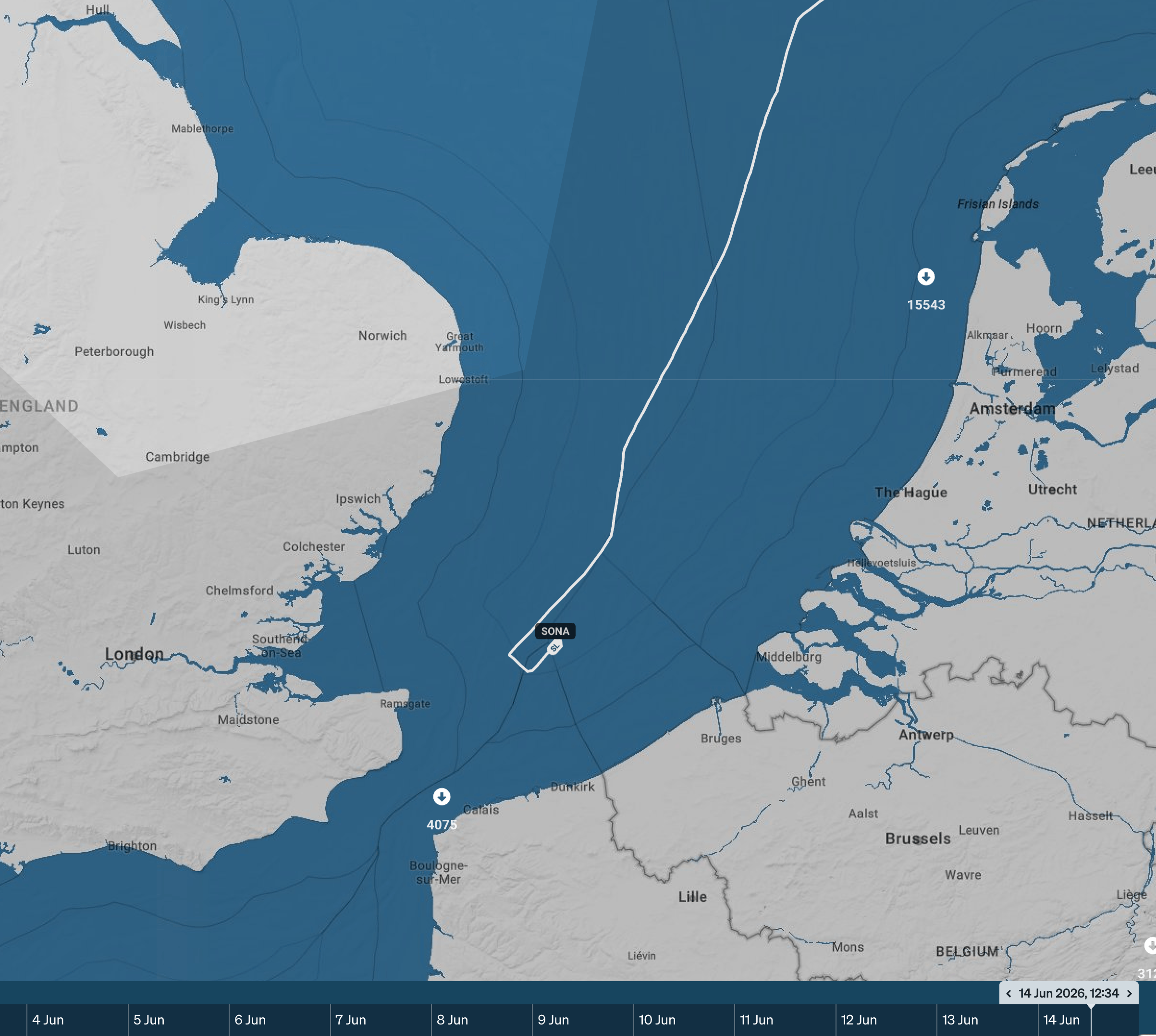
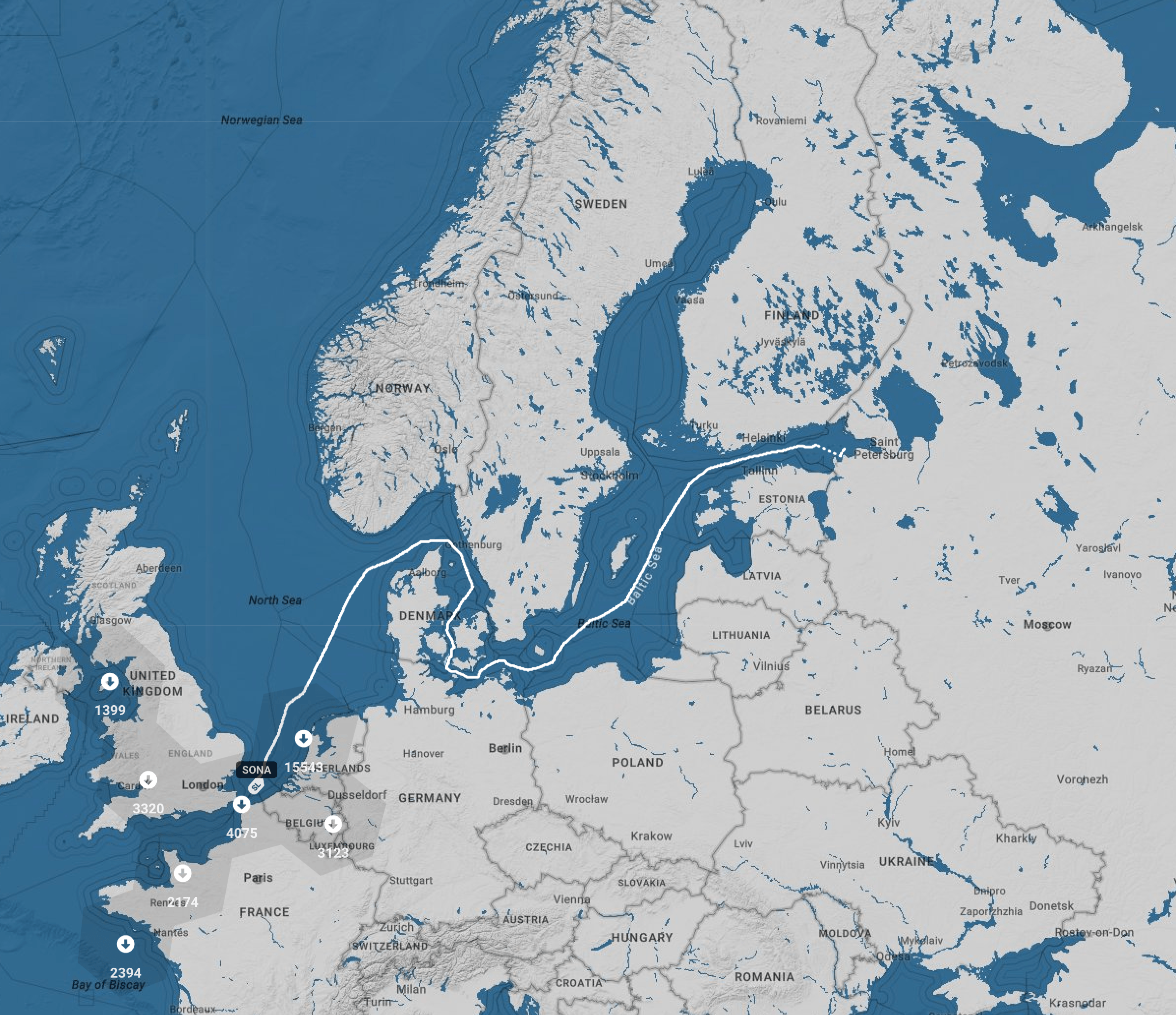
A third vessel that changed course was SONA (IMO: 9428358), also sailing under the flag of Sierra Leone. Starboard Maritime Intelligence data indicates it was traveling from the Gulf of Finland, likely from the port of Vistino, toward Port Said, Egypt, but deviated from its route toward the English Channel.
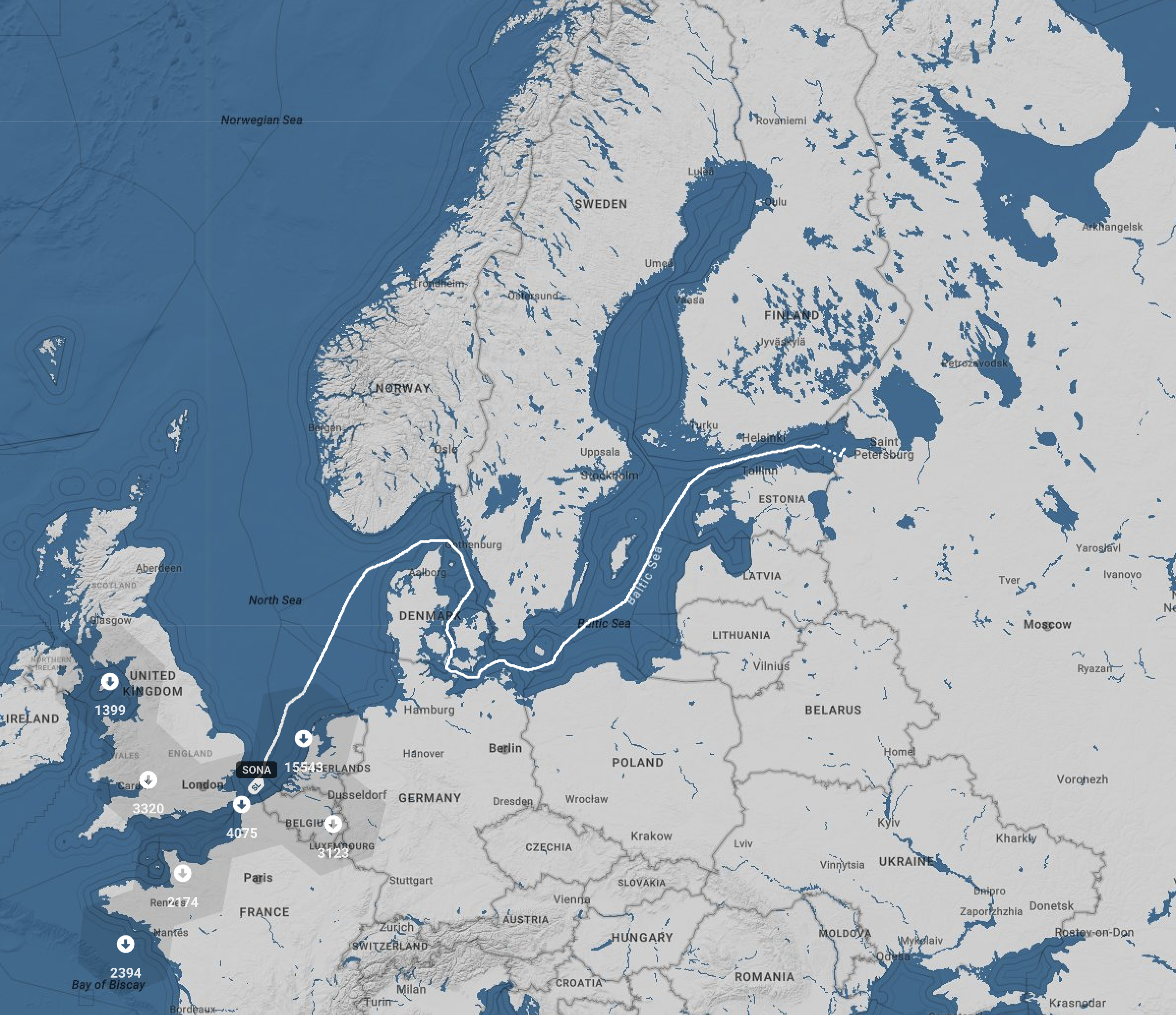
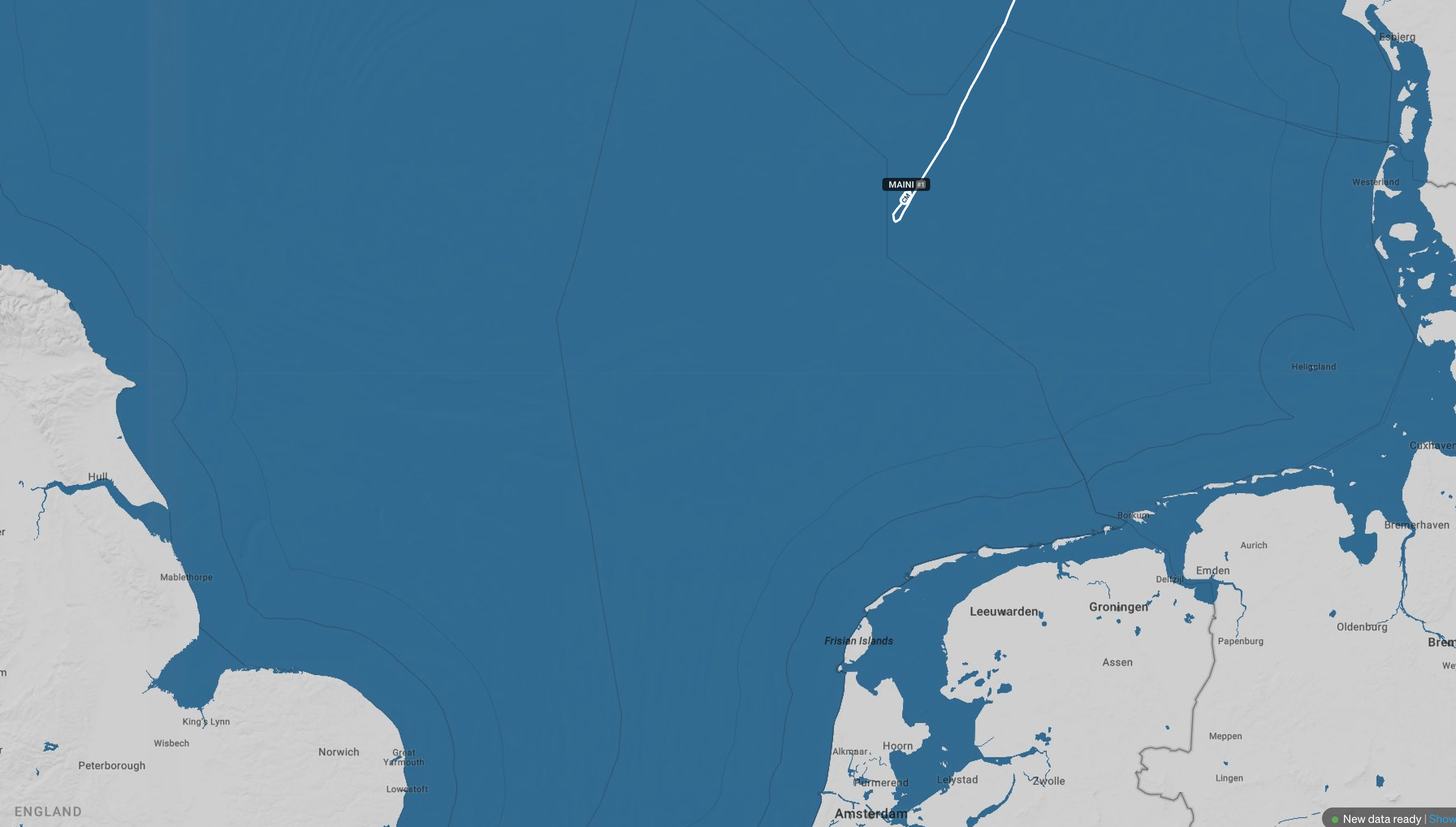
The Cameroon-flagged tanker MAINI (IMO: 9319870) also changed course. It had been traveling in the North Sea from Primorsk, with Port Said, Egypt, listed as its destination.
Several vessels under U.S. and EU sanctions that are sailing under the Russian flag, rather than under third-country flags, continue to pass through the English Channel. They include the tanker KRASNOYARSK (IMO: 9312896) and the cargo ship ADLER (IMO: 9179854).
- According to Ukrainian intelligence, LION I was involved in exporting Russian oil and petroleum products from the port of Primorsk in 2025. Since May 2025, the tanker’s owner and commercial manager has been Seychelles-registered Kario Maritime Inc., while its technical manager is China’s Mo Chou Hu Shipmanagement Co. The vessel is under sanctions imposed by the European Union, Britain, Switzerland, Canada and Ukraine.
- Ukrainian intelligence says C VIKING was used to transport Russian oil from Russian ports, switching off its AIS and carrying out ship-to-ship oil transfers. It also reportedly called at the port of Kamysh-Burun in occupied Crimea. The vessel is under sanctions imposed by Britain, the EU, Canada, Australia, Switzerland, Ukraine and New Zealand.
- According to Ukrainian intelligence, SONA was involved in exporting Russian oil and petroleum products from ports in Russia’s Pacific region. The vessel is linked to Indian company Galena Ship Management, which is affiliated with Gatik Ship Management, one of the largest operators of Russia’s “shadow fleet.” SONA is under sanctions imposed by the UK, EU, Switzerland, Canada, Australia, Ukraine and New Zealand. Ukraine also imposed sanctions on the vessel’s captain in February 2026.
- Ukrainian intelligence says MAINI is involved in transporting Russian oil in circumvention of Western restrictions and is linked to Galena Ship Management, the Indian company affiliated with Gatik Ship Management. The vessel has been used to export Russian oil to third countries, including with its AIS switched off. Greenpeace also identifies the MAINI as part of Russia’s “shadow fleet.” The tanker is under sanctions imposed by the UK, EU, Switzerland, Canada, Australia and Ukraine.
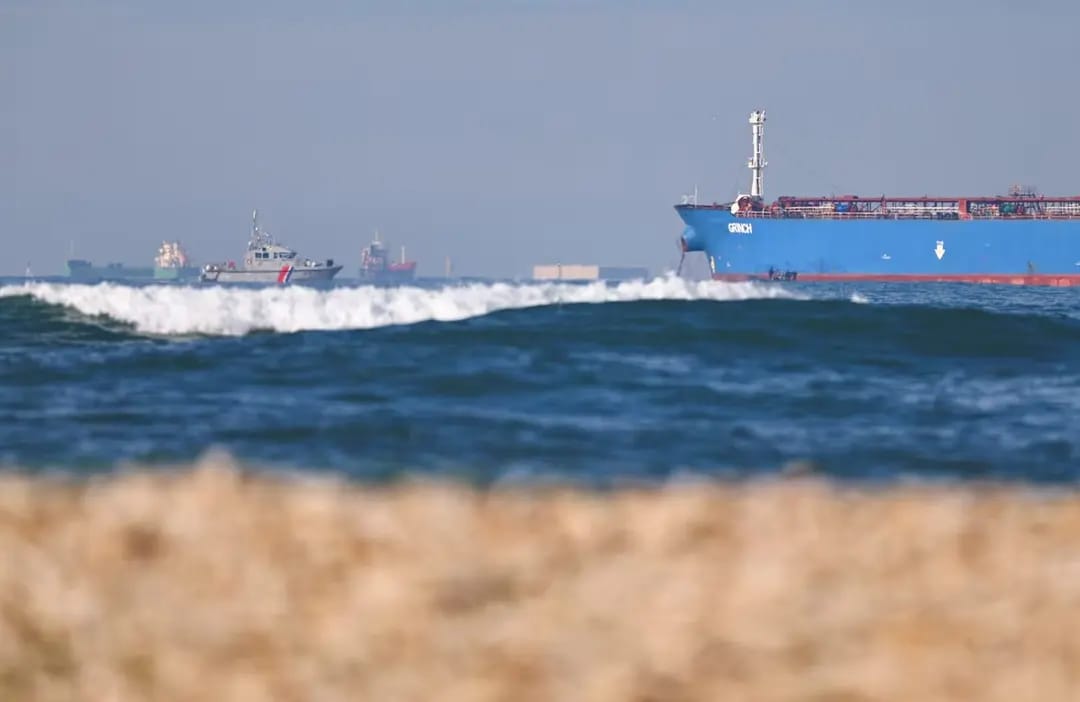
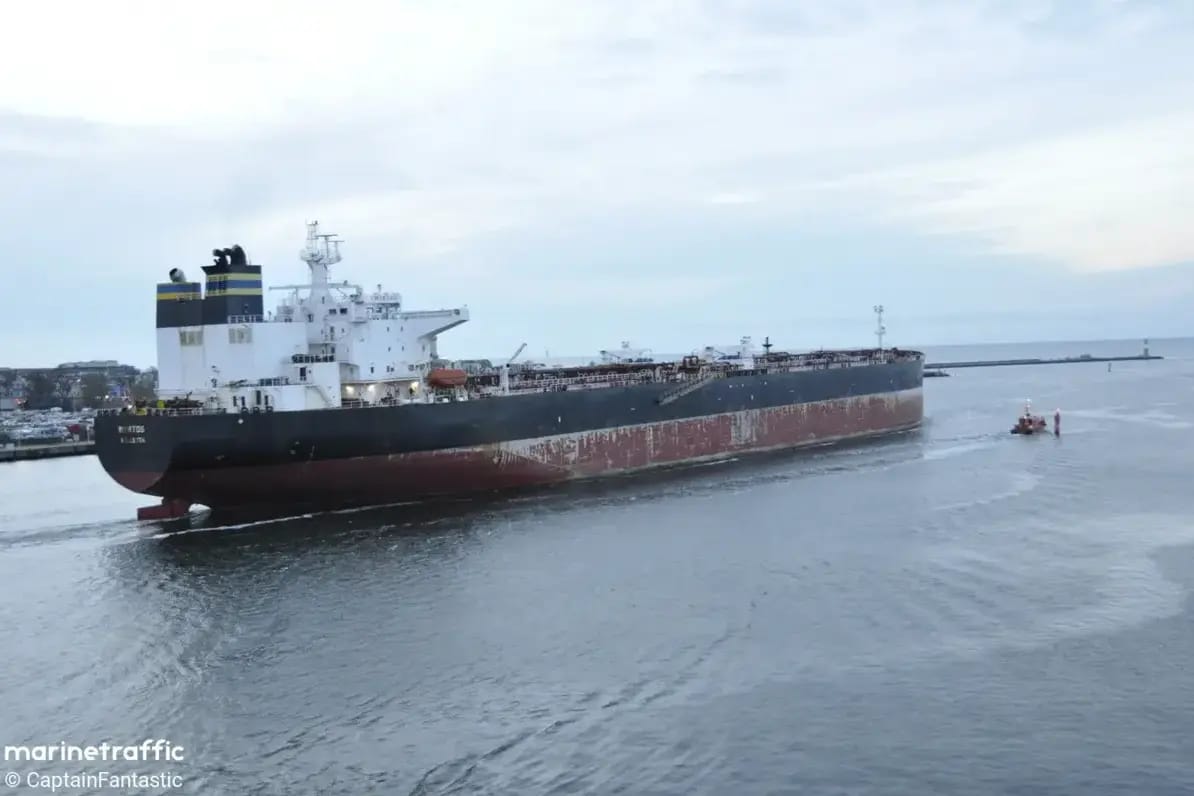
The route changes came shortly after Royal Marines and officers from the National Crime Agency (NCA) boarded the tanker Smyrtos in the English Channel in the early hours June 14. The vessel was detained and later moved to an anchorage off England’s southern coast.
According to Ukrainian intelligence, Smyrtos has been involved in transporting Russian oil and petroleum products since early 2025, mainly from the port of Kozmino in Russia’s Far East. The vessel is under sanctions imposed by the EU, UK, Switzerland, Canada and Ukraine.
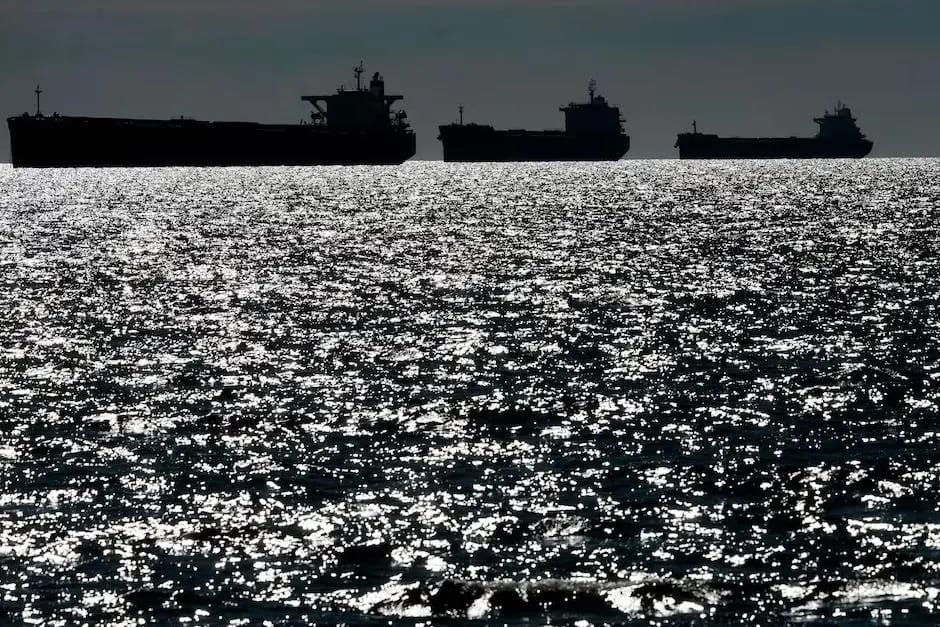
The English Channel remains one of the key maritime corridors between the Baltic Sea and global markets, with a significant share of tankers carrying Russian oil from Baltic ports traditionally passing through the route. Any risk of detention or inspection could force “shadow fleet” operators to look for longer and more expensive delivery routes.