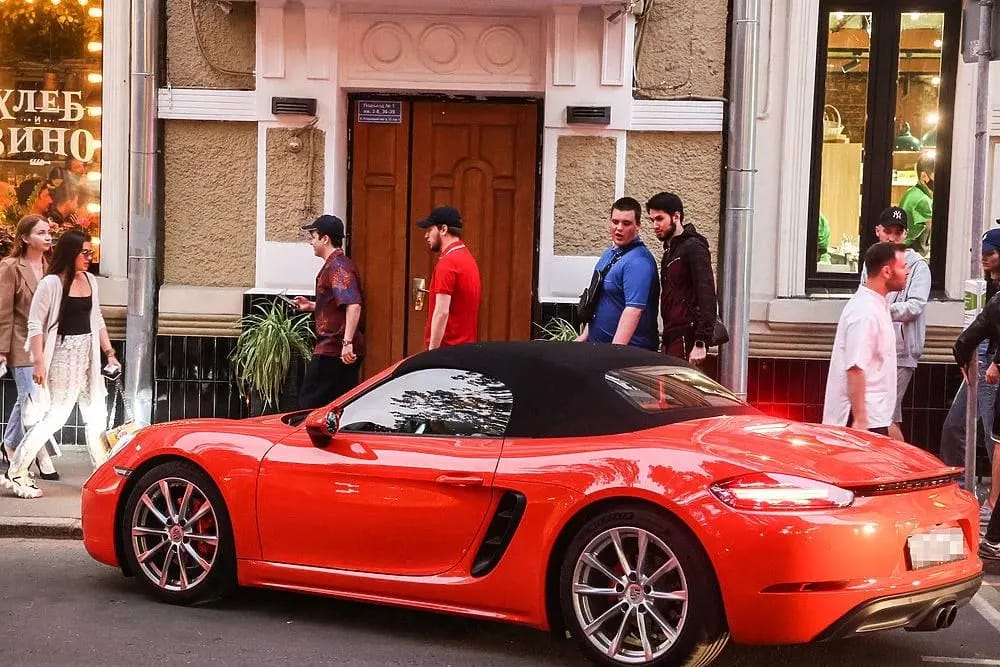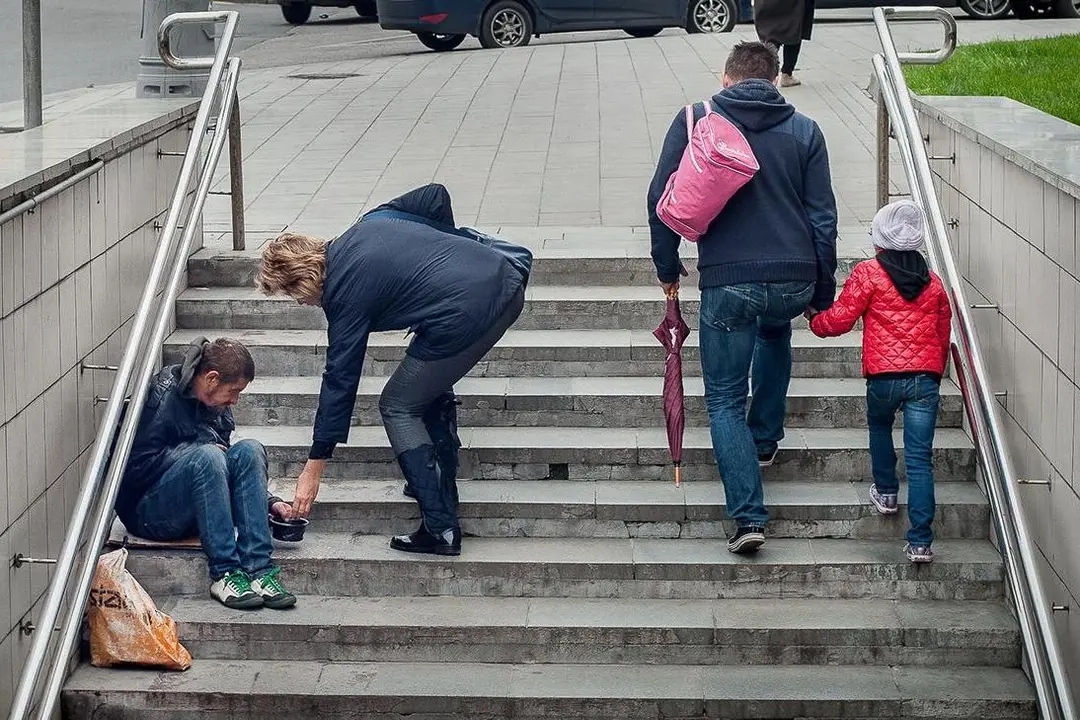
Russia has the second-highest level of wealth inequality in the world, according to the latest annual UBS Global Wealth Report, which covers 56 countries that together account for more than 92% of global private wealth.
Russia’s Gini coefficient stood at 0.82 at the end of 2025, slightly behind that of the United Arab Emirates. South Africa and Brazil followed with coefficients of 0.81, Saudi Arabia was in fifth place at 0.77, and the United States was next at 0.77.
In line with the UBS report, the number of Russia’s wealthiest citizens continues to grow. The number of dollar-denominated millionaires in Russia rose by 5.2% in 2025, reaching 447,000. Alexei Mordashov, the largest shareholder in the metallurgy and mining company Severstal, ranked first among Russian billionaires in Forbes’ 2026 list. Over the course of the year, he became $8.1 billion richer, and his fortune exceeded its prewar level for the first time, reaching $37 billion, compared with $29 billion in 2021. UBS estimates that Russia has 122 dollar billionaires, placing it fifth in the world after the United States, China, India, and Germany.
Russia is also among the world leaders in wealth growth. Since the start of the decade, average real wealth per adult in Russia has risen by 37%. By that measure, Russia trails only South Korea, where growth exceeded 55%. Several developed economies, by contrast, recorded declines in average wealth. The figure fell by 23.2% in the UK, in the Netherlands the drop was 14.4%, and in France it was 4.5%.
Overall, UBS described the past year as one of the strongest in history for global wealth. The total wealth of the world’s population rose by 10.8%, while the number of dollar millionaires reached 57.5 million. Nearly 1 million new millionaires were added over the course of the year, meaning more than 2,680 new millionaires appeared each day on average. The combined wealth of billionaires worldwide rose by nearly 25% on average, and UBS estimated their total number at 3,302 people. The report’s authors cited resilient financial markets and rising real estate prices as the main drivers of wealth growth.
Despite that increase, people with large fortunes remain a small group globally. UBS said only 1.5% of the world’s adult population holds assets worth more than $1 million, while another 15.3% have wealth between $100,000 and $1 million. At the same time, 41.1% of people worldwide have wealth between $10,000 and $100,000, and 42.1% have no more than $10,000.