Efforts to equip German airports with the latest anti-drone measures are being speeded up. As Die Zeit reported, such a system has already begun operating at the country’s largest airport in Frankfurt, Federal Association of Airports (BDL) head Joachim Lang said after a drone equipped with a detonator was found next to a Ukrainian cargo plane at Leipzig-Halle Airport. On Aug. 6, German media reported that the Ukrainian aircraft had been loaded with ammunition.
Lang said the political decision to install the systems at airports was made “at the speed of light” following several drone-related incidents in Berlin last year. But he added the incident at Leipzig-Halle clearly showed the need to speed up protective measures. The BDL head cautioned that “absolute security is impossible,” but promised that by the end of 2026, eight German airports classified as critical infrastructure — Berlin, Frankfurt am Main, Düsseldorf, Hamburg, Cologne-Bonn, Leipzig-Halle, Munich, and Stuttgart — would be equipped with the latest anti-drone systems.
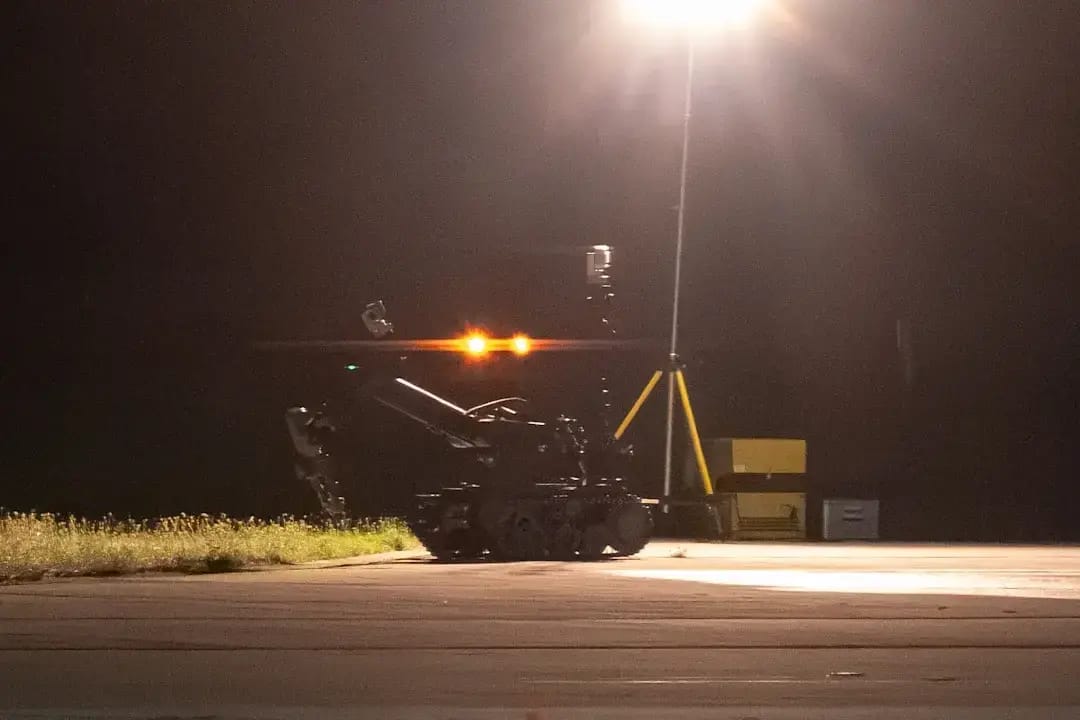
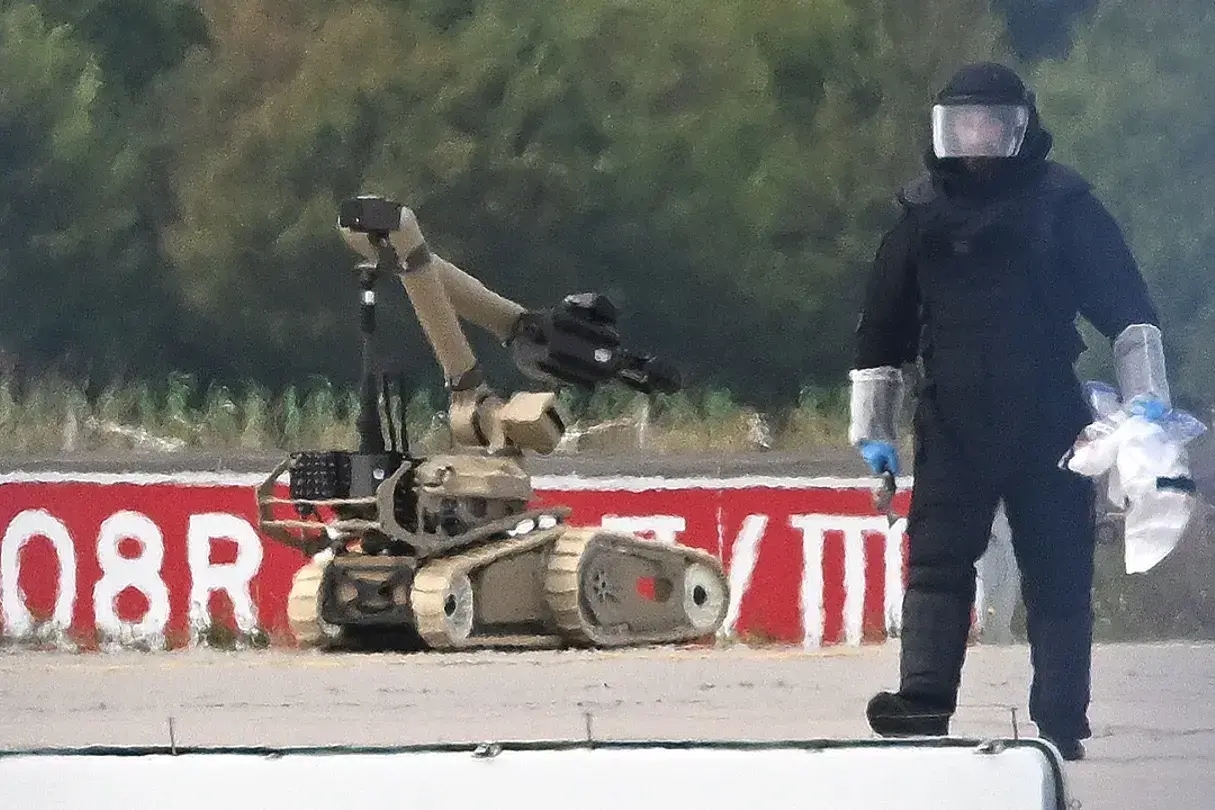
On Aug. 5, Leipzig-Halle Airport was forced to suspend operations after a drone with a detonator was found on the runway near a Ukrainian An-124 cargo plane. German Interior Minister Alexander Dobrindt said the people behind the incident were “not amateurs” but instead had planned their operation “extremely professionally.” He said the incident reflected a “new level of threat,” because drones carrying explosives had not previously been recorded at German airports. A foreign state could be behind the incident, he said.
German media reported on Aug. 6 that Leipzig airport “may have narrowly avoided a catastrophe,” as the Ukrainian aircraft in question was loaded with ammunition.
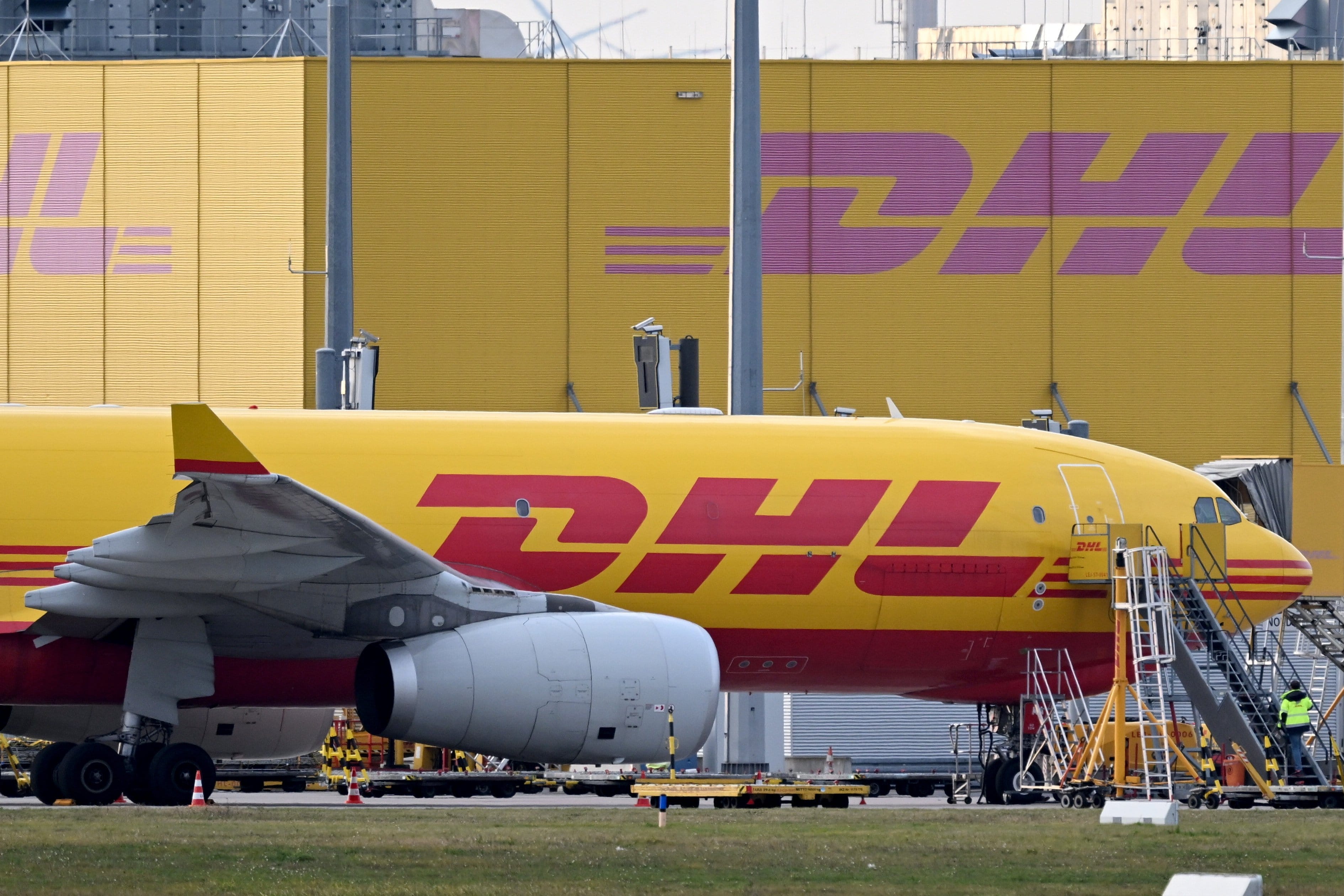
ARD’s news program Tagesschau noted that Leipzig/Halle Airport is a key hub for Western arms deliveries to Ukraine. In July 2024, a package exploded there shortly before it was to be loaded onto a DHL aircraft. Related blasts also occurred in a truck in Poland and at a warehouse in the UK.
In connection with those incidents, Lithuanian authorities charged 15 suspects, including citizens of Russia, Lithuania, Latvia, Estonia, and Ukraine. Lithuania’s Prosecutor General’s Office linked the incidents to Russian military intelligence. Five defendants are now on trial in Poland over the series of explosions, which were allegedly carried out on behalf of Russian intelligence services.
Tagesschau said drone sightings near German airports have become more frequent, with 145 disruptions recorded in the first half of 2026 alone.