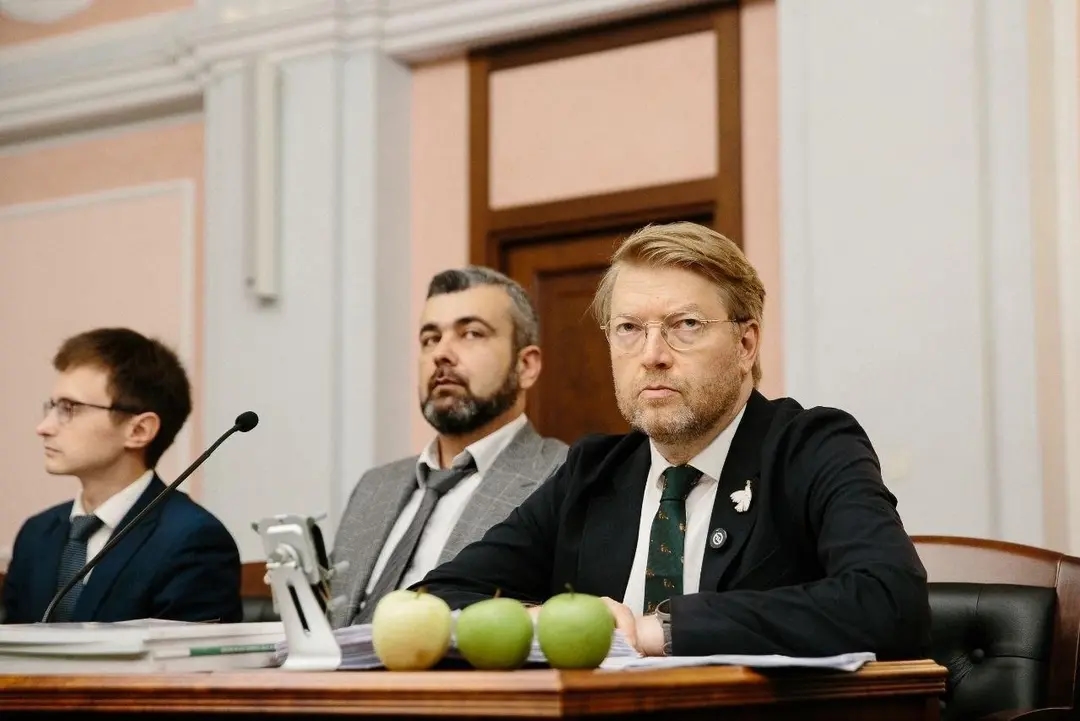
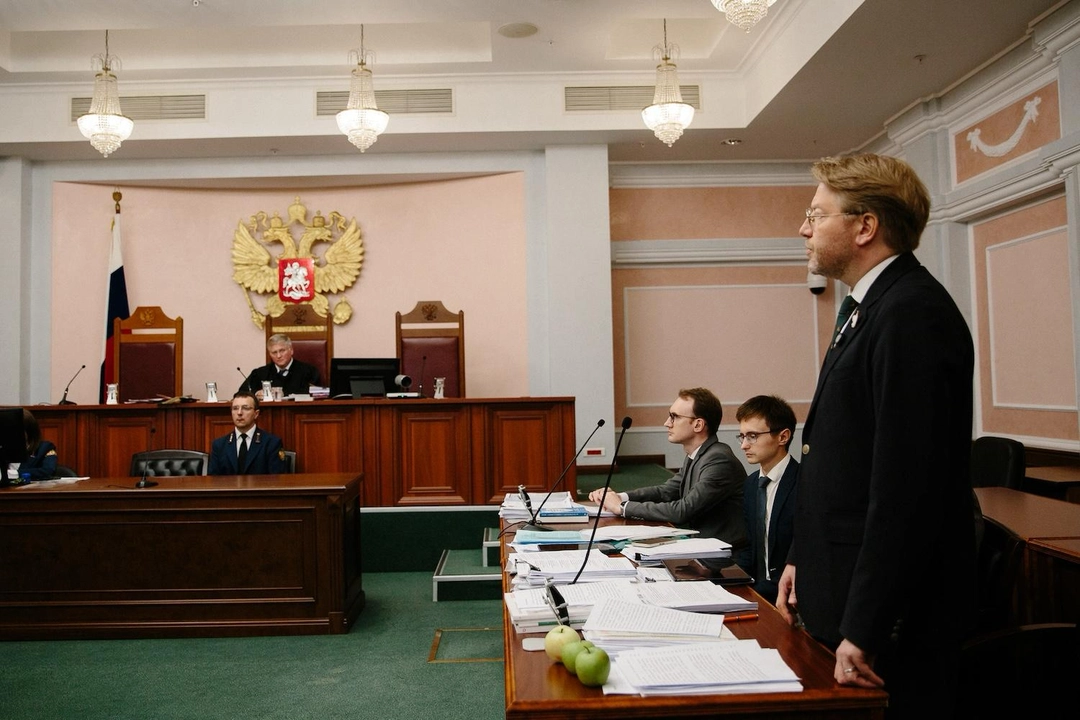
Russia’s Supreme Court has ruled to remove the Yabloko party from this September’s State Duma election, according to a broadcast of the court hearing. The hearing lasted about seven hours. The main claims brought by the plaintiff, the Rodina (lit. “Motherland”) party, concerned alleged copyright violations, excessive campaign spending, and “extremist statements” made by Yabloko representatives.
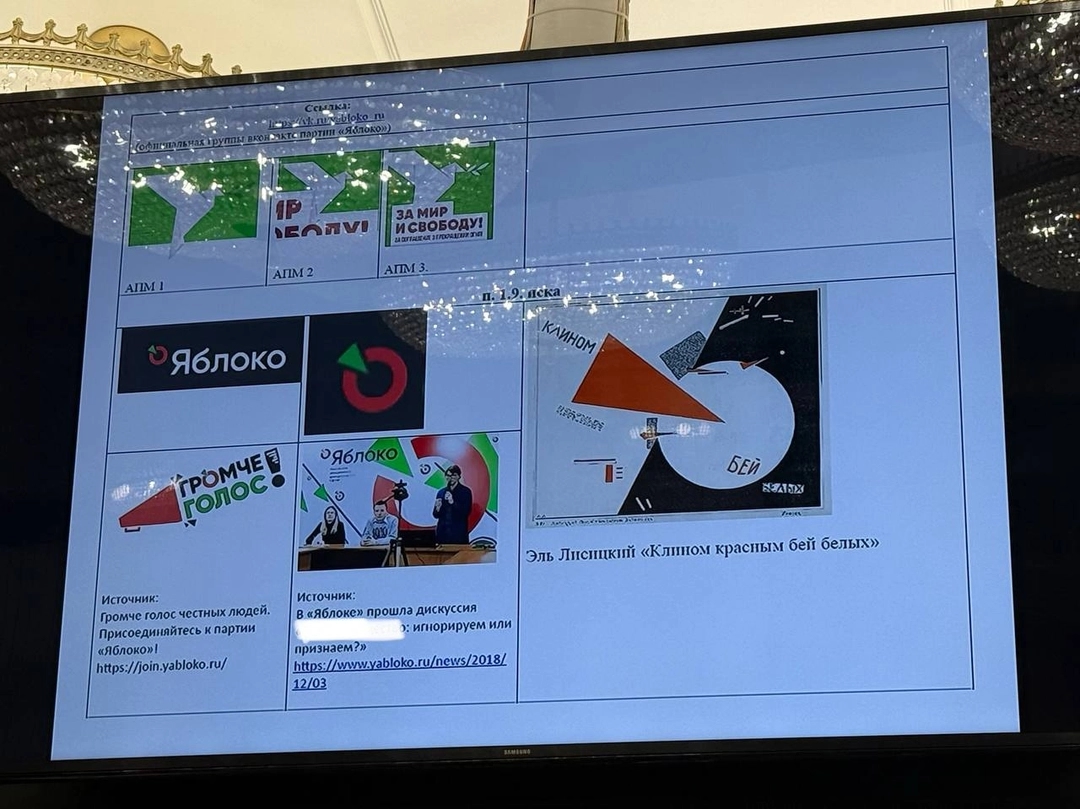
At the hearing, Rodina representatives described those claims in greater detail, arguing, for example, that a photograph of the Hiroshima bombing on Yabloko’s website violated the copyright of the U.S. Army, and that images generated with ChatGPT violated the rights of its developer, OpenAI. No evidence was presented suggesting that the copyright holders themselves ever filed any complaints over the alleged violations.
At the hearing, Yabloko chairman Nikolai Rybakov quoted Vladimir Putin on the need for a ceasefire in the war, saying Yabloko’s position did not contradict the president’s words.
“I want to draw your attention to a quote from President Putin: ‘... We proposed options and rational solutions that could suit everyone in America, Europe, Asia — throughout the world. We believe that it would be worth returning to their substantive discussion in order to formalize the conditions under which a peaceful settlement of the conflict in Ukraine can be achieved — and the sooner, the better.’
So yes, the factual situation is that the Yabloko party believes negotiations are needed, President Putin believes negotiations are needed, and the administrative plaintiff believes this is extremism!”
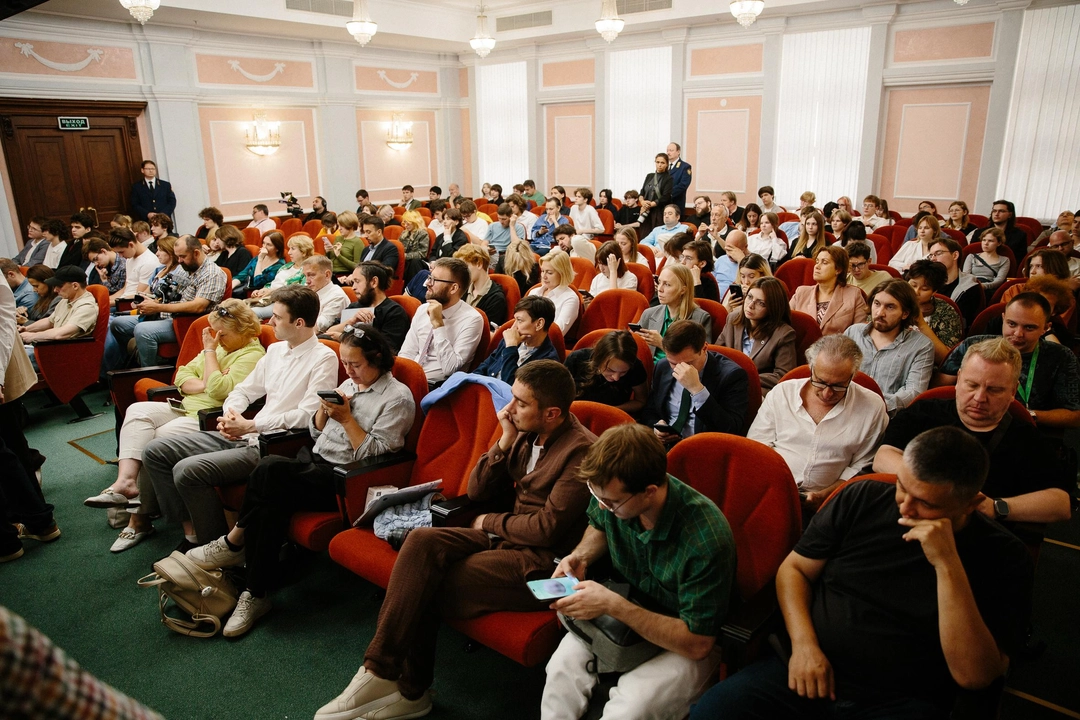
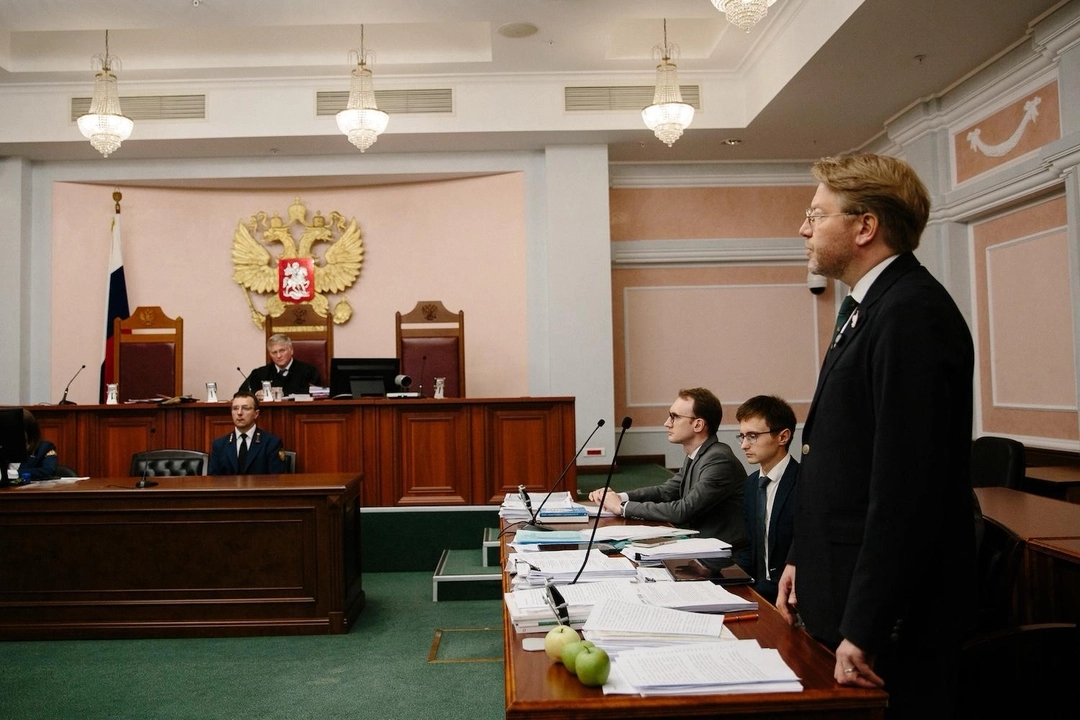
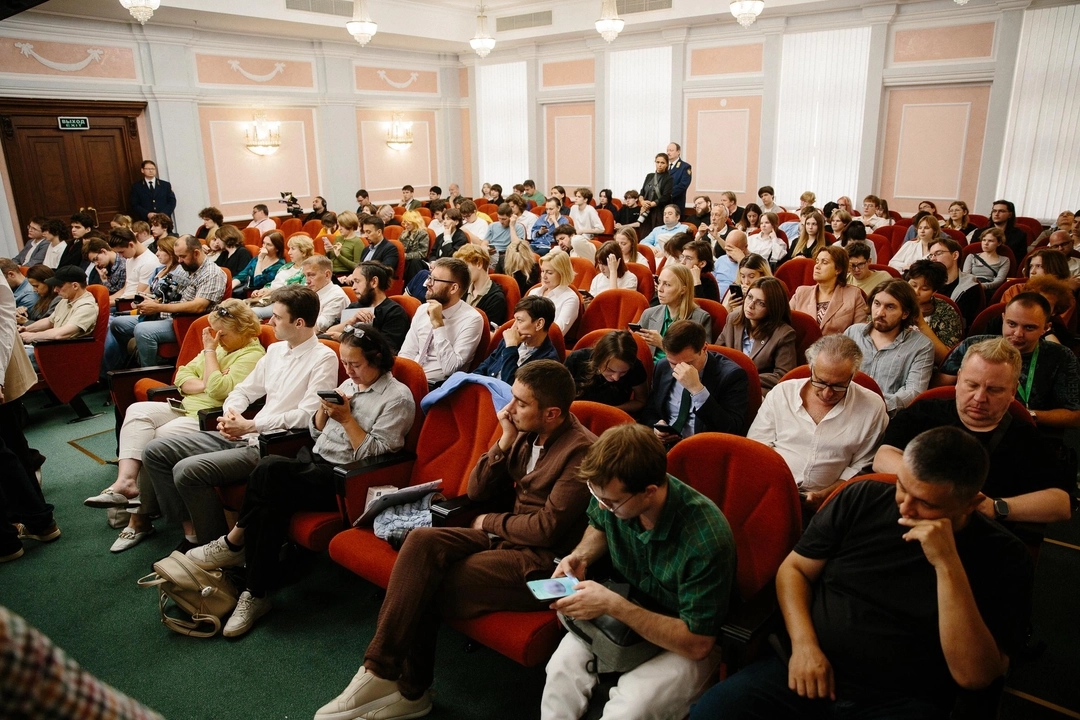
Before the hearing, dozens of Yabloko supporters gathered outside the Supreme Court. The party’s press office said at least 500 were waiting in line to be allowed in for the proceedings. Yabloko chairman Rybakov and Moscow branch head Kirill Goncharov came to the courthouse as well, but Goncharov was not allowed into the courtroom.
During the protests, police vans arrived outside the courthouse. Some supporters brought apples, a reference to the party’s name and symbol, and chanted pro-Yabloko slogans. At least two young women carrying Yabloko leaflets were taken away “for a conversation” by OMON riot police.
Rodina’s lawsuit was heard by Judge Vyacheslav Kirillov, who previously dissolved the Civil Initiative party, which nominated Boris Nadezhdin for the 2024 presidential election. Kirillov also ruled to designate the International Memorial Public Movement as extremist.
Rodina filed the lawsuit against Yabloko on Aug. 7. Aside from the copyright allegations, Rodina’s representatives argued that Yabloko’s election posts on blocked social media platforms violated campaign rules. The lawsuit equated Yabloko’s anti-war position with calls to violate Russia’s territorial integrity, and its statements against political repression and censorship with extremism.
Yabloko was the only registered party running in the September State Duma election with an anti-war platform. Its campaign slogan is “For Peace and Freedom.”
Rodina chairman Alexei Zhuravlyov, who currently serves as deputy head of the State Duma Defense Committee, had earlier called Yabloko members “national traitors” who should be “driven out” of the election campaign. Representatives of other parties also joined the criticism, with Liberal Democratic Party leader Leonid Slutsky calling for Yabloko to be declared an “undesirable organization,” a Russian legal designation that effectively bans a group’s activities and can lead to criminal prosecution for those who cooperate with it in any way.
Russian opposition figures abroad, including Alexei Navalny’s widow Yulia Navalnaya, had previously spoken out in support of Yabloko. The party distanced itself from those statements, saying that such statements from abroad could lead to candidates being removed from elections in Russia.
Earlier this summer, several Yabloko candidates were denied registration for elections to the St. Petersburg Legislative Assembly. Election officials later rejected the party’s entire list. Yabloko was also barred from running in the city council election in Petrozavodsk, the capital of Karelia.