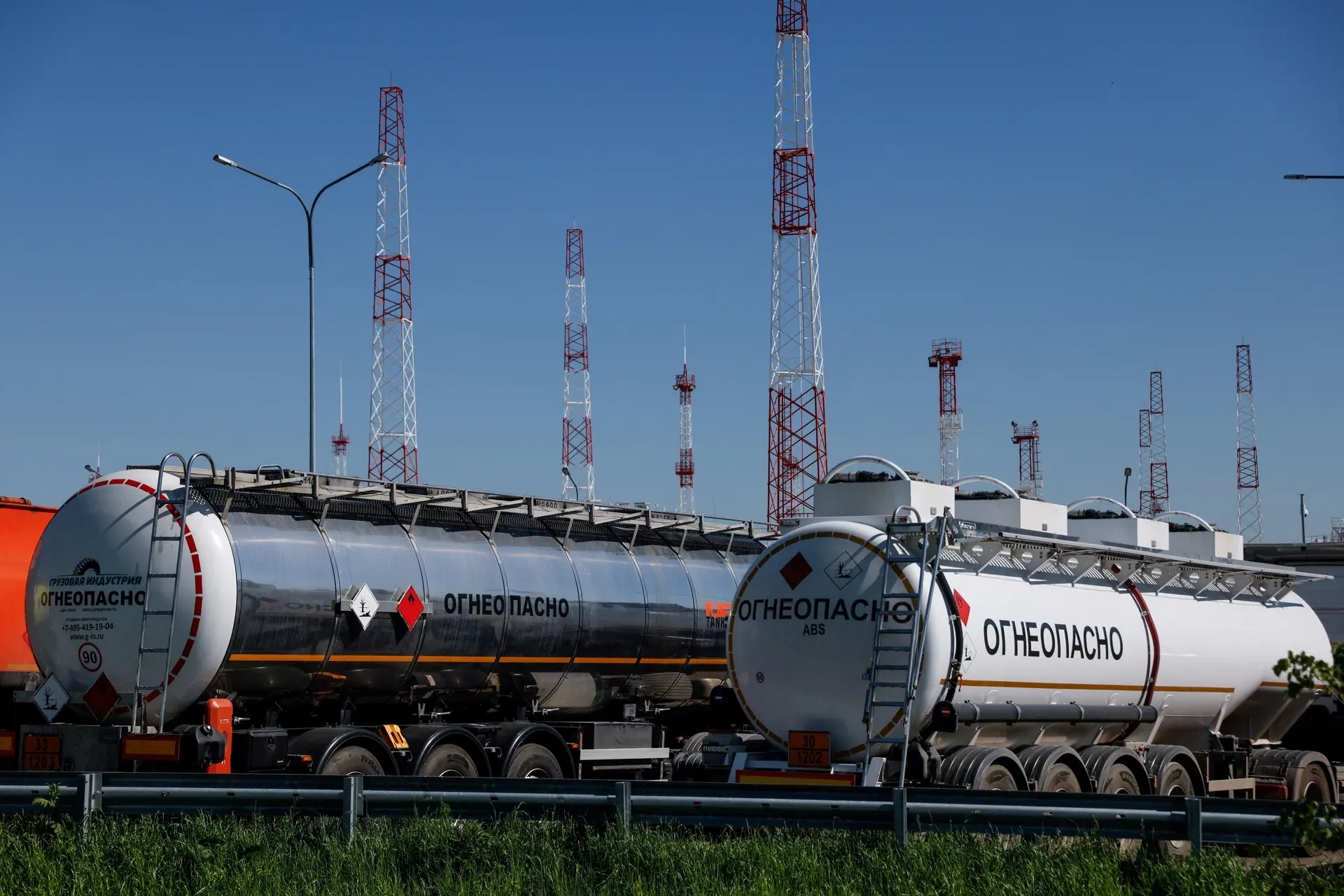
On Oct. 9, Donald Trump announced that he had reached an agreement with Vladimir Putin regarding the supply of Russian diesel fuel to the U.S. and global markets. The same day, the U.S. Treasury Department suspended sanctions on imports of Russian diesel. Russia, for its part, announced that it was lifting a ban on diesel exports imposed amid a domestic fuel crisis.
Russian Deputy Prime Minister Alexander Novak said Moscow was prepared to export 300,000 metric tons of diesel as early as October, 500,000 tons in November, and up to 1 million tons in December. “Over time, the volume could rise to 3 million tons a month,” he added.
George Voloshin, an international sanctions expert and specialist on the former Soviet states, told The Insider that the promised 3 million tons a month would restore Russian exports to pre-sanctions levels:
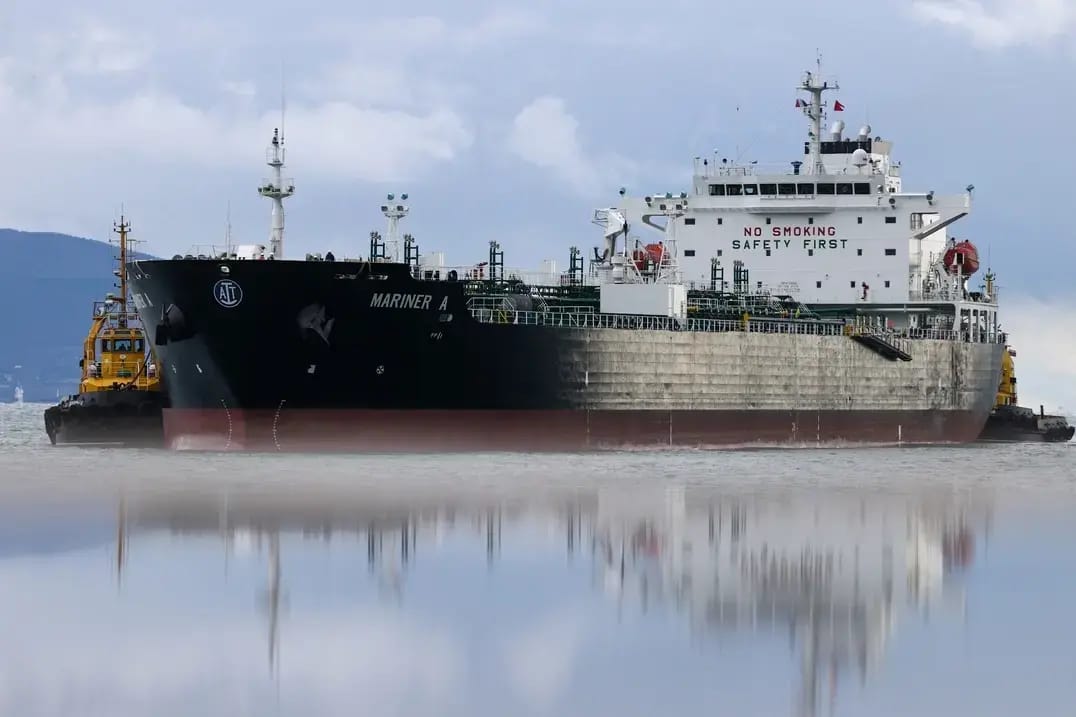
“The volumes of 300,000 to 500,000 tons a month being discussed for the coming weeks are relatively modest for the global balance. That is equivalent to several LR-class tanker loads or medium-sized MR cargoes, which the market can absorb without structural shifts. But the stated target of 3 million tons a month, or about 36 million tons a year, is already an enormous figure, comparable to nearly all of Russia’s historical seaborne diesel exports during peak pre-crisis periods. In effect, this would be an attempt to return Russian export flows to pre-sanctions highs — but this time under the umbrella of direct shipments to Western markets.
For the U.S. domestic market, this is more of a targeted logistical measure. U.S. refineries themselves produce huge volumes of distillates, but the Northeast traditionally faces shortages because of logistical constraints imposed by the Jones Act, so imported spot cargoes could ease local retail prices ahead of the winter season. Globally, the effect will depend on whether this represents a net increase in supply. In other words, if these barrels are simply redirected from Turkey, Brazil, or Asia, there would only be some reshuffling of trade routes without pressure on global prices. But if genuinely new physical volumes reach the world market, then refining margins (known as ‘crack spreads’) in Europe and Asia would inevitably fall.
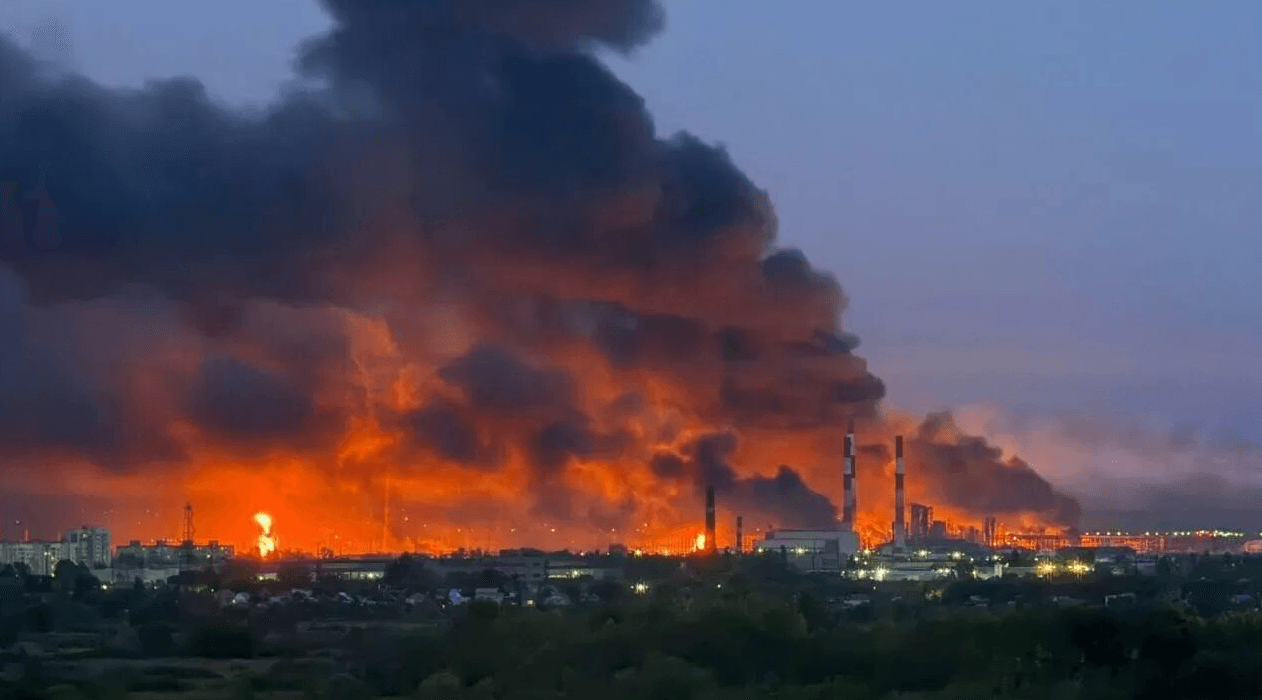
Meeting the initial commitments of 300,000 to 500,000 tons would not create critical problems for Russia’s domestic market because autumn maintenance at most refineries is nearing completion and seasonal agricultural demand is beginning to decline. The main obstacle to reaching 1 million to 3 million tons a month lies in the technical condition of refining capacity and logistics, because continuing damage to primary processing units and secondary hydrocracking facilities at key refineries in European Russia is limiting output of winter-grade diesel. To export as much as 3 million tons without risking a fuel crisis and a sharp rise in wholesale prices on the St. Petersburg exchange, Russian oil companies would not only have to fully restore capacity but would in effect have to prioritize exports at the expense of building strategic reserves at home. That looks very difficult to achieve. Hence the market’s expected skepticism.”
Tatiana Mitrova, a research fellow at Columbia University’s Center on Global Energy Policy, said Russia has enough diesel to sell, but its export capacity will depend on the intensity of Ukrainian strikes on refineries and ports.
“I would say that despite the decline in refining, Russia can still export certain volumes of diesel. Because of the export ban, some refineries have already faced the risk of excess inventories. Additional flexibility comes from accumulated stocks, fuel imports — primarily from Belarus — and, if necessary, restrictions on domestic consumption.
Exports are possible not only through Baltic and Black Sea ports, but also through ports in the Far East, which are far less vulnerable to Ukrainian strikes. The main question is whether Ukraine will continue attacks on refineries, ports, and storage facilities despite pressure from Trump. In short, one-off shipments are entirely realistic, but sustained growth in exports is much more doubtful.”