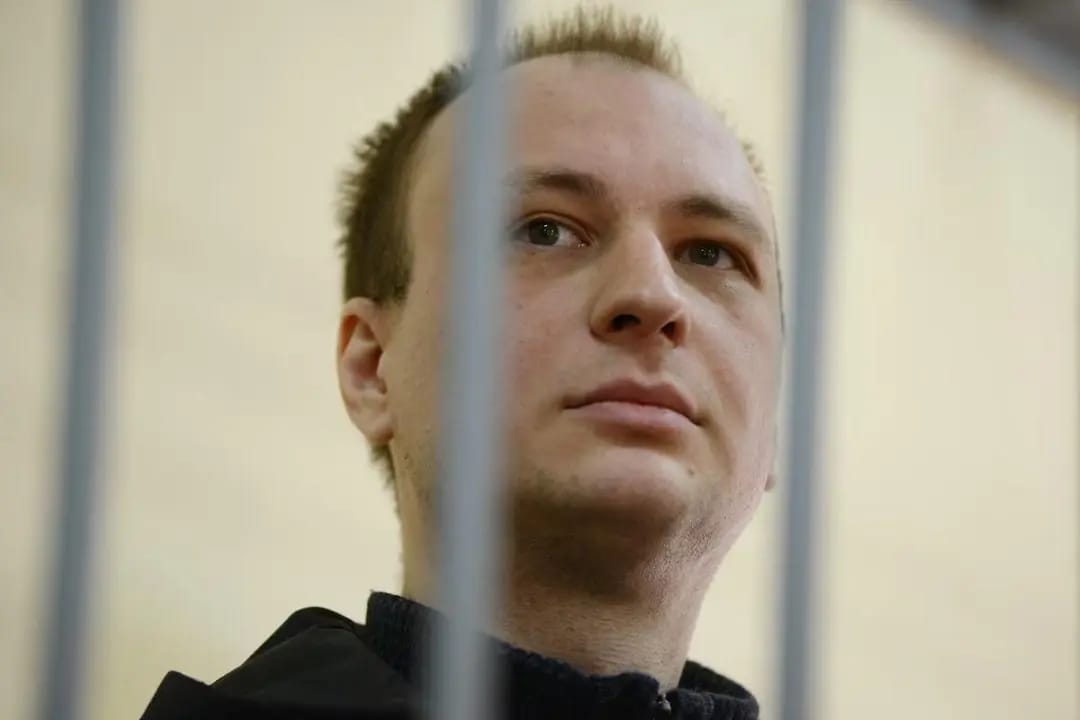
Germany, France, and the United Kingdom have demanded that Russia immediately release three former employees of the Organization for Security and Cooperation in Europe (OSCE), who were arrested in 2022 after serving in the group’s monitoring mission in Ukraine. In a joint statement delivered Nov. 12 at a meeting of the OSCE Permanent Council in Vienna, representatives of the three countries called for the release of Vadym Golda, Maksym Petrov, and Dmytro Shabanov, expressing particular concern about Golda’s health. He was reportedly transferred from the occupied Donetsk Region of Ukraine to a medical correctional facility in Russia’s Tambov Region, around 300 miles northeast of Kharkiv.
“They are not bargaining chips. They are our colleagues, and they should be at home with their families.
Russia’s treatment of them is a direct affront to the OSCE and every participating State represented around this table. It also sets a dangerous precedent for those serving in international missions on our collective behalf. Personnel deployed under an international mandate must be able to perform their duties without fear of arbitrary detention, politically motivated prosecution or imprisonment,” the statement read.
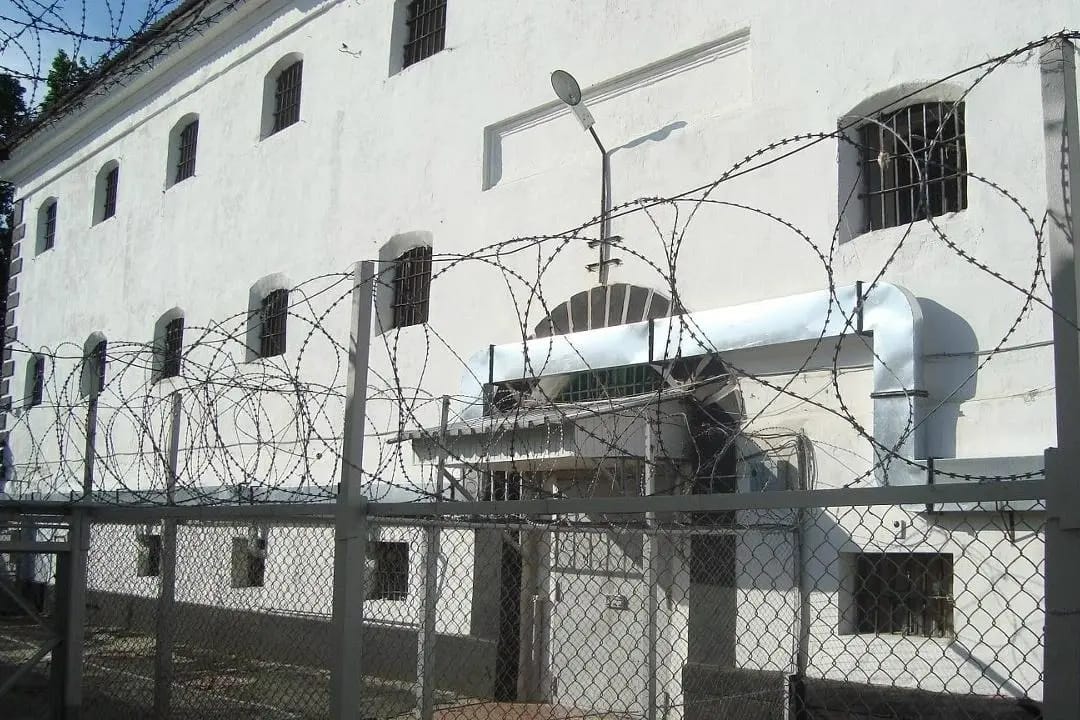
According to the Ukrainian Legal Advisory Group, which cited Golda’s relatives, he had been transferred to Medical Correctional Facility No. 7 of Russia’s Federal Penitentiary Service. The facility is in the settlement of Polevoy in the Kirsanovsky District of the Tambov Region and is used to hold and provide outpatient treatment to prisoners who suffer from alcohol and drug dependence or who have active cases of tuberculosis.
The reason for Golda’s transfer to the facility remains unknown. His relatives said he had never had tuberculosis and had not suffered from alcohol or drug dependence. Golda last contacted his family on Oct. 15; his transfer was expected on Oct. 19. There has been no official information about his condition.
In their statement, representatives of Germany, France, and the UK stressed that at the time of their arrest the OSCE employees had been carrying out their duties as part of an international mission established with the consent of all participating states, including Russia. The three countries called on Moscow to disclose the detainees’ whereabouts and health conditions, provide them with medical care, and allow them to contact their relatives.
Russia has transferred all three OSCE staff members from the occupied territories of Ukraine to prisons inside Russia
Golda was the third OSCE mission employee to be transferred from occupied Ukrainian territory to Russia. In 2025, Dmytro Shabanov was transferred to Penal Colony No. 9 in Russia’s Omsk Region, while Maksym Petrov was sent to Penal Colony No. 1 in the Chelyabinsk Region.
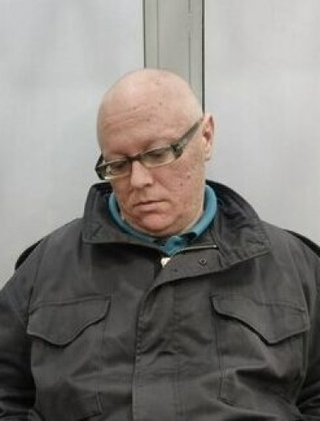
On Nov. 11, leaders of the OSCE Parliamentary Assembly expressed concern over Golda’s transfer. The organization noted that Articles 49 and 76 of the Fourth Geneva Convention prohibit the forcible transfer and deportation of protected civilians from occupied territories.
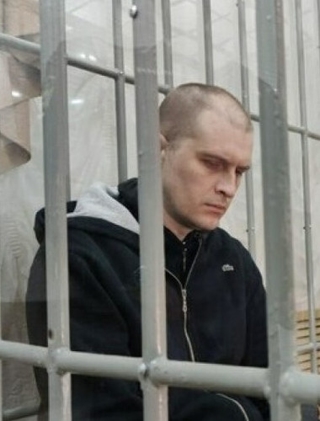
The OSCE also said there is still no reliable, independently verified information about the detention conditions or health of any of the three men. The organization demanded that its representatives and the International Committee of the Red Cross be granted unhindered access to the former mission employees.
Why Russia imprisoned the OSCE staff members
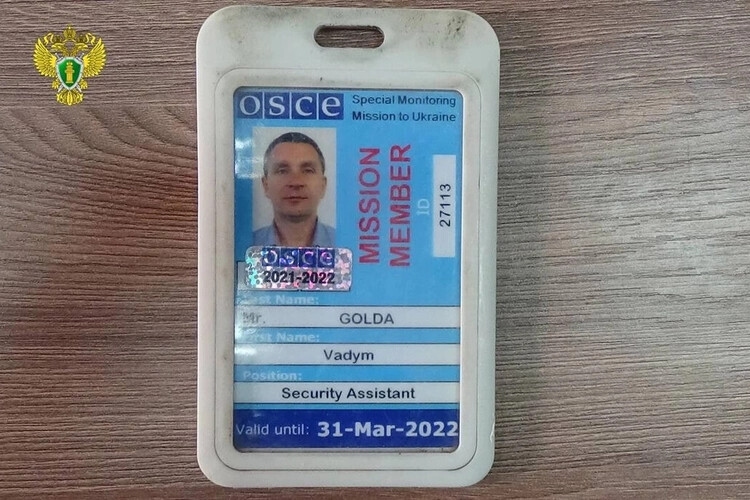
Vadym Golda, who worked as a security assistant for the OSCE Special Monitoring Mission, was detained in April 2022. In July 2024, a Russia-installed court in the occupied part of the Donetsk Region sentenced him to 14 years in a strict-regime penal colony on charges of espionage.
According to the Russian Prosecutor General’s Office, in 2021 Golda had collected information about industrial facilities in the Donetsk Region on behalf of an unnamed foreign intelligence service. Russian authorities claimed the facilities were later targeted by missile strikes that caused nearly 100 million rubles in damage. The court also ordered the confiscation of 43 armored vehicles belonging to the OSCE mission.
In September 2022, Dmytro Shabanov and Maksym Petrov were each sentenced to 13 years in prison. Russia-backed separatists in the so-called “Luhansk People’s Republic” accused them of treason and of passing information to U.S. intelligence agencies.
The OSCE has rejected the accusations against its employees and repeatedly demanded their release. In July 2024, the organization’s leadership condemned Golda’s sentence, describing the prosecution as a violation of Russia’s international commitments.
Russia was among the states that approved the creation of the OSCE monitoring mission in Ukraine in 2014. In March 2022, however, Moscow blocked an extension of its mandate. The mission ceased operations in April of that year.