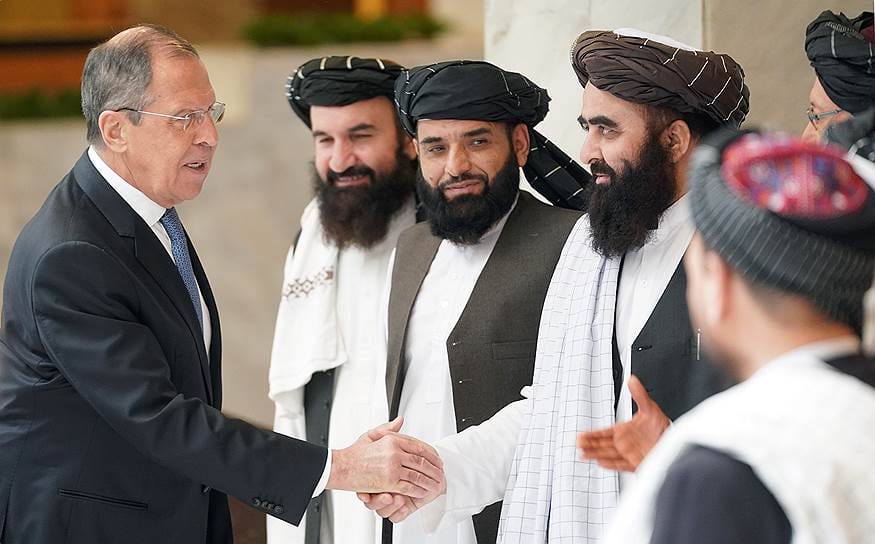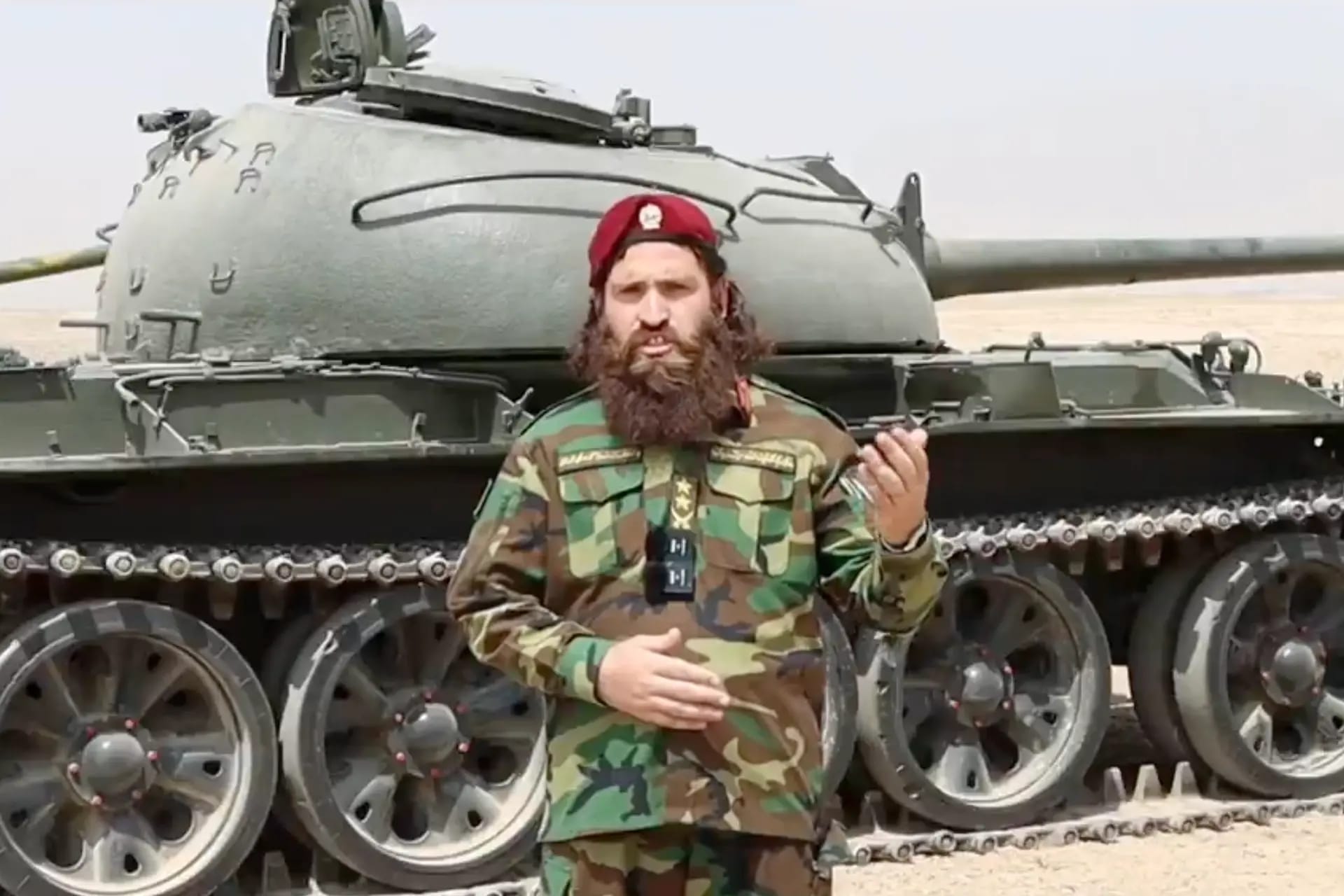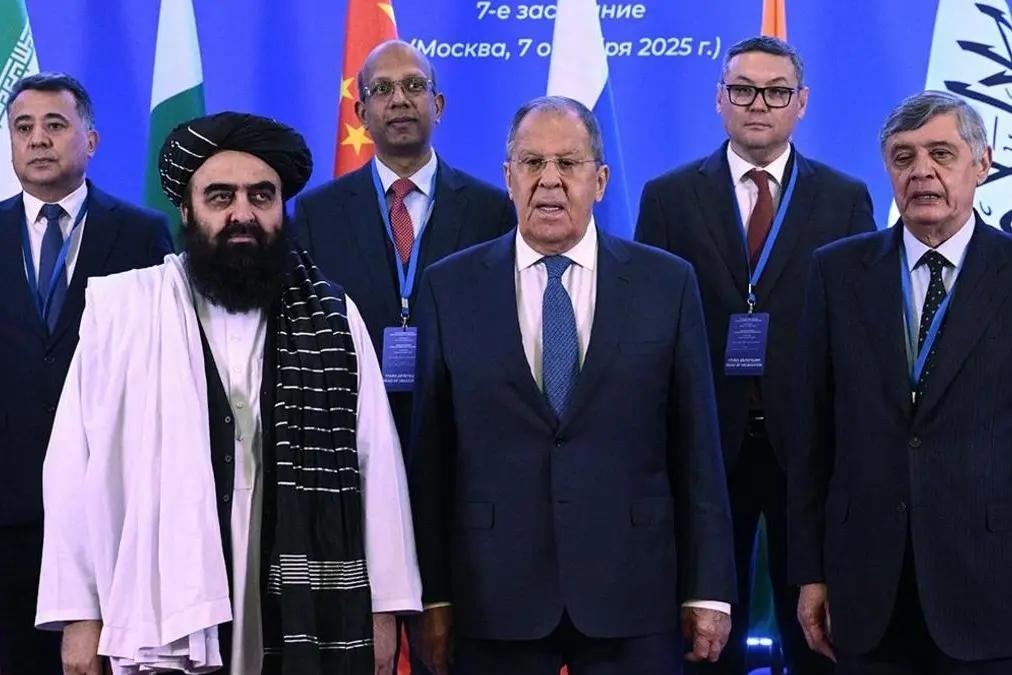
On May 27, Russia and Afghanistan signed a military-technical cooperation agreement providing for the repair of Soviet-made weapons remaining in Afghanistan's arsenal. The deal marks another step in the growing ties between Moscow and the Taliban, which retook power in Afghanistan after the withdrawal of U.S. forces in August 2021. Since then, Russia remains the only country to have officially recognized the Taliban government. While the partnership itself offers Moscow little direct benefit, the Kremlin sees Afghanistan as a gateway to expanding its influence in Central Asia by positioning itself as a guarantor of regional security. Agreements such as the one signed in May allow Russia to pursue this strategy at minimal cost.
The military-technical cooperation agreement signed by Russia and Afghanistan is centered on repairing Soviet- and Russian-made weapons in use by Afghan forces. For now, the details remain limited, but the deal appears to be modest in scope — unlikely to involve major arms transfers or significant investment. Yet it represents the most recent step in Moscow’s rapid embrace of the Taliban, which Russia had officially designated as a terrorist organization until just last year.
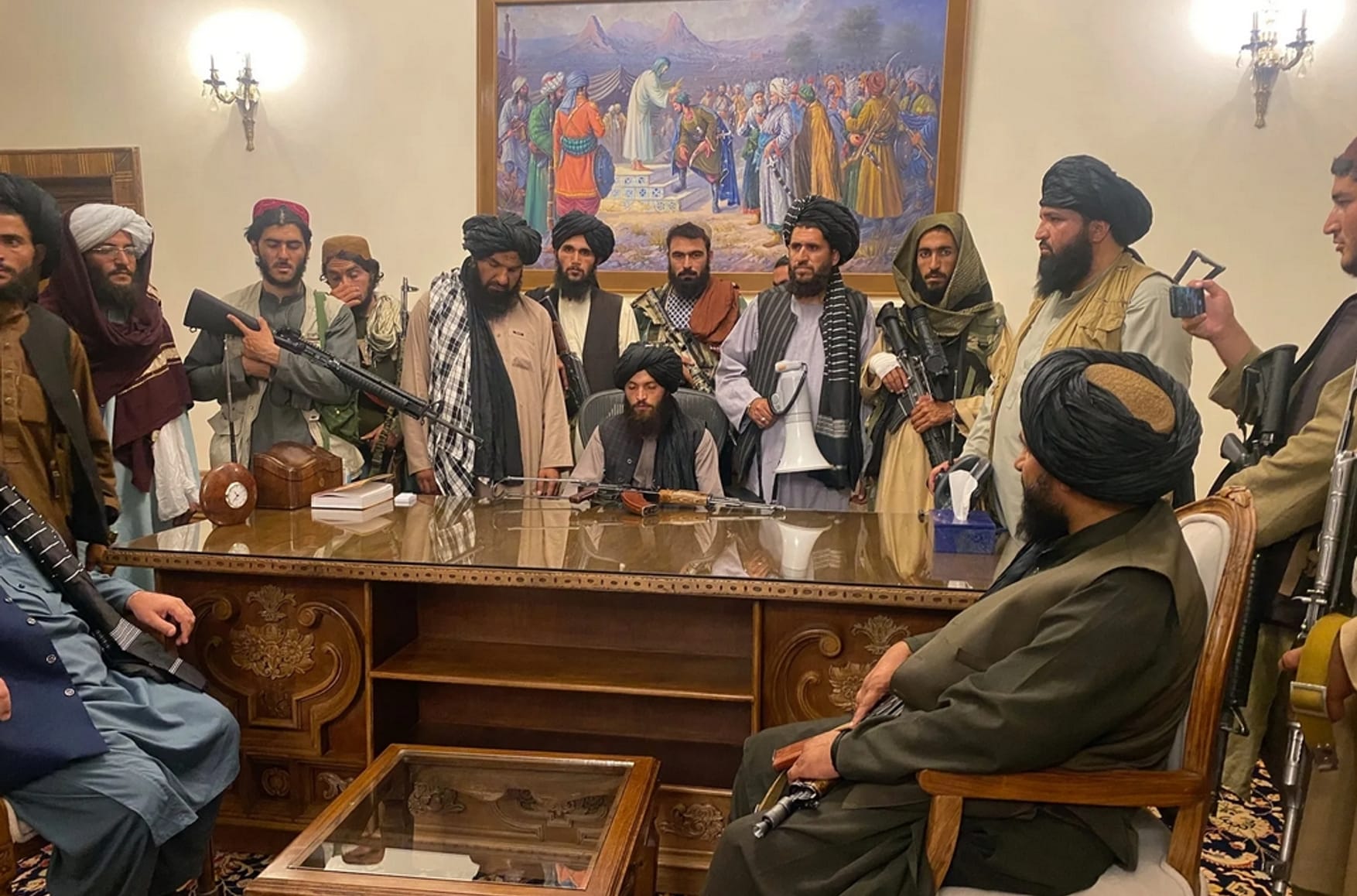
In April 2025, Moscow suspended the Taliban’s terrorist designation. Two months later, Russia became the first, and so far the only, country to recognize the Taliban as the official government of Afghanistan.
Russia became the first, and so far the only, country to recognize the Taliban as the official government of Afghanistan
At first glance, Russia’s embrace of the Taliban appears puzzling. Afghanistan’s economy is deeply strained from decades of war, the Taliban faces sweeping international sanctions over human rights abuses against women and girls, and trade between the two countries is limited. So what does Moscow have to gain?
Afghanistan offers a rare opportunity for Russia to expand its influence on the cheap. The Taliban wants recognition and security cooperation. Russia can provide both without significant costs. In return, Moscow gains leverage in a country that sits at a geopolitical crossroads, with existing ties through Afghanistan’s ethnic Tatar community. Given the minimal investment required to position itself as Afghanistan’s primary security partner, Russia sees little reason to stay on the sidelines.
Affordable foreign policy
Since launching its full-scale invasion of Ukraine in 2022, Russia has seen its ability to project power abroad narrow considerably. It has lost influence following the overthrow of ally Bashar al-Assad in Syria, the U.S. capture of Nicolas Maduro in Venezuela, and Armenia’s ongoing pivot away from the Kremlin.
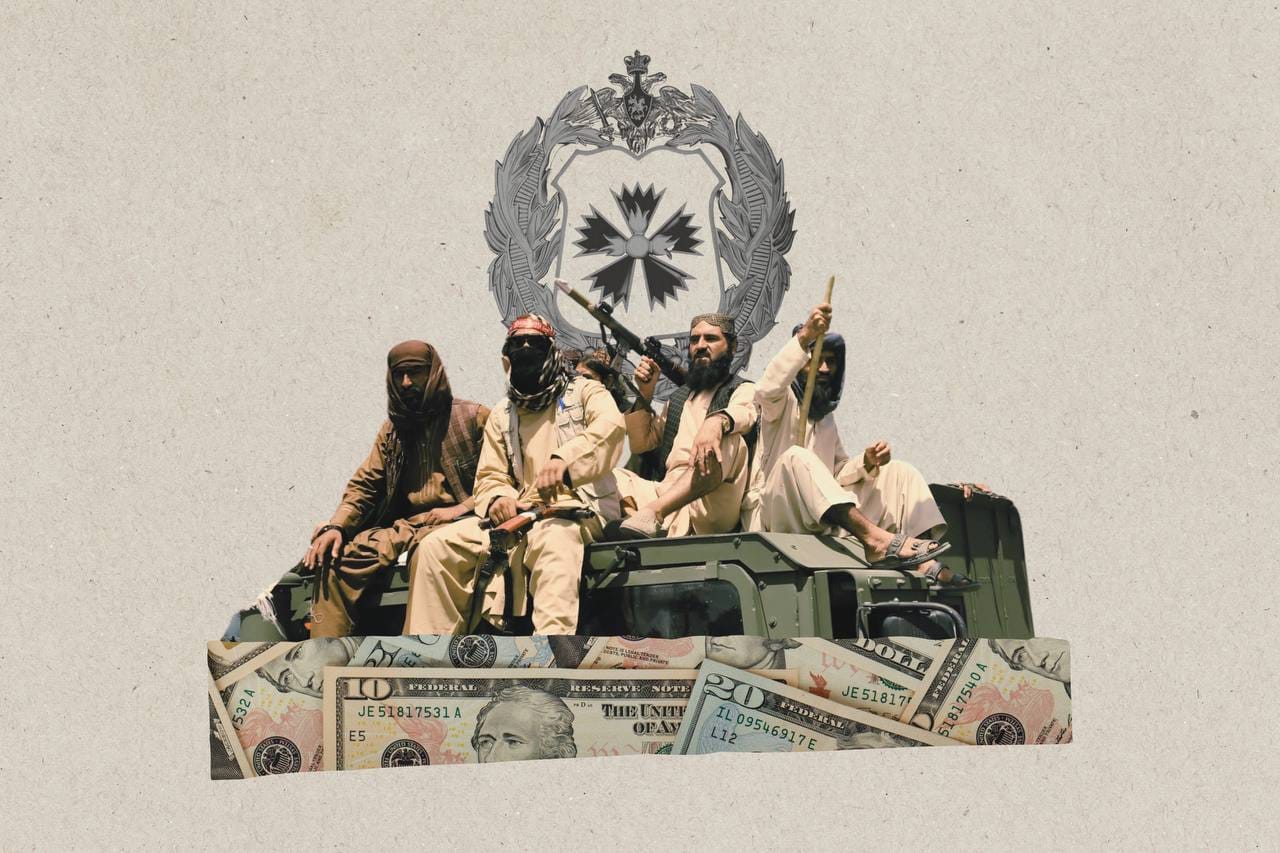
Afghanistan presents a strategic opportunity to preserve Russia’s shrinking influence. Following the U.S. withdrawal in 2021, Russia has worked to position itself as Afghanistan’s primary security partner in a bid to replace Western influence in the region. But Moscow’s engagement with the Taliban actually predates the withdrawal. The Insider has previously reported on Russia’s military intelligence agency financing the Taliban prior to the 2021 takeover, meaning Moscow had already cultivated back channels with the group long before it officially recognized them as Afghanistan’s official government.
Russia has worked to position itself as Afghanistan’s primary security partner in a bid to replace Western influence in the region
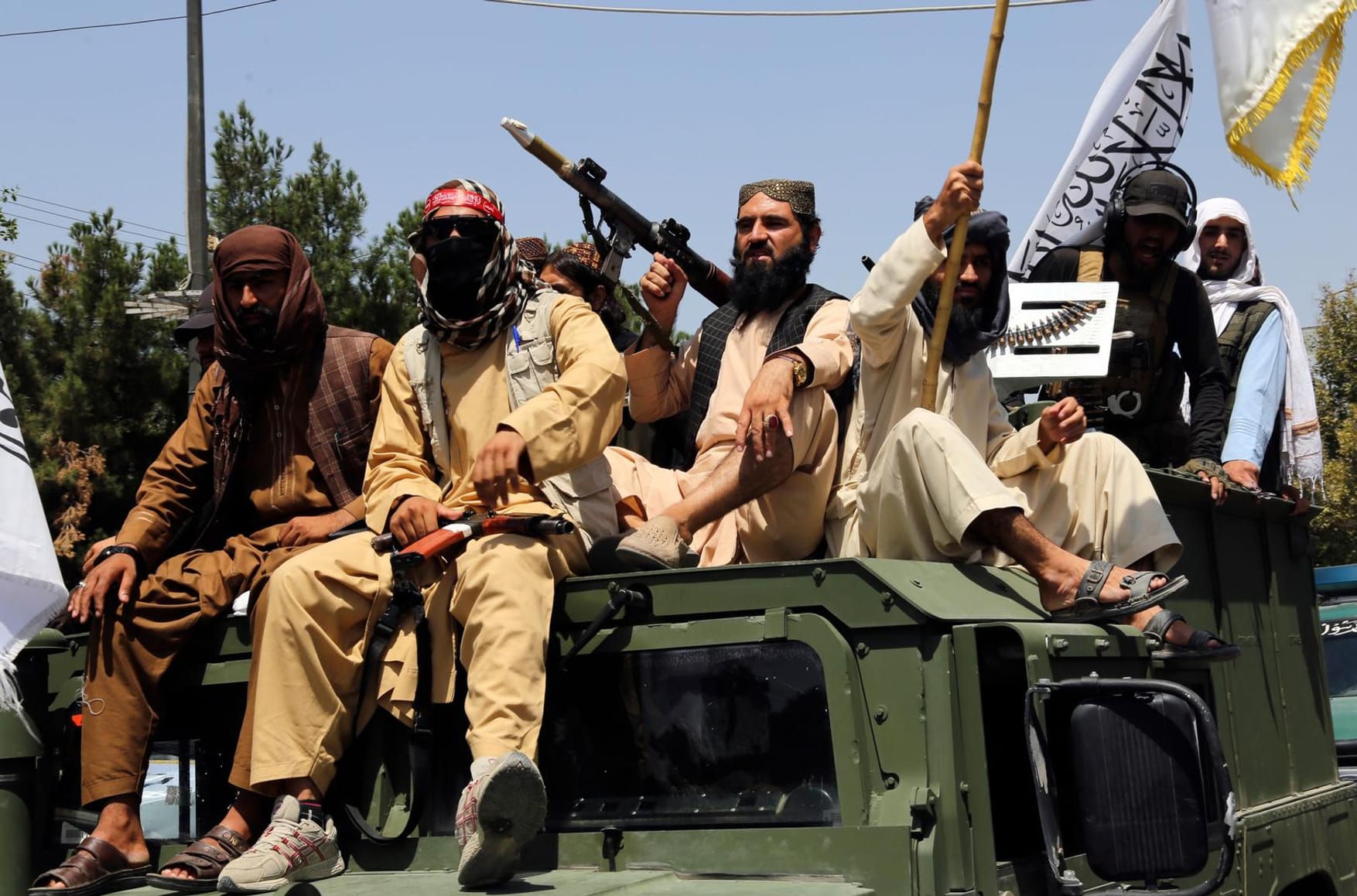
The military-technical agreement reflects the constraints of Moscow’s post-2022 foreign policy. Overstretched and resource-depleted, Russia has had to find lower-cost strategies to maintain its international presence. Repairing Russian-made equipment creates long-term institutional links between Afghanistan’s security forces and Moscow while avoiding the financial burden of large weapons transfers or military deployments. “This gives Moscow a sustained presence in the country’s security sector without requiring large financial investments,” explains Giuliano Bifolchi, Research Manager & OSINT Unit Director at SpecialEurasia. What's more, the partnership’s foundations lie in the mutual rejection of values-based diplomacy. Unlike Washington, Moscow has no interest in enforcing liberal reforms or adherence to international human rights norms.
The Tatarstan connection
Russia’s engagement with Afghanistan extends beyond the military sphere. Economic ties between the two countries remain limited, totaling roughly $500 million annually according to Russian government sources, but they point to another dimension of Moscow’s longer-term strategy. A significant share of that trade, around a tenth, flows through the Republic of Tatarstan, which has long served as Russia’s primary regional channel into Afghanistan.
Ethnic Tatar communities have historically resided in northern Afghanistan, and Tatarstan has built on these ties to develop concrete, but limited, links. Tatarstan supplies Afghanistan with KAMAZ trucks, petrochemicals, and halal-certified foods while maintaining cultural ties through an Afghan Tatar cultural museum in Kabul and Tatar language education in select schools in the north. The Taliban has attended the Kazan Forum in Tatarstan since 2023, with this year’s meetings focused on trade and investment. And a proposed Russia-Afghanistan-Turkmenistan trade route would direct more goods from Tatarstan to import-dependent Afghanistan.
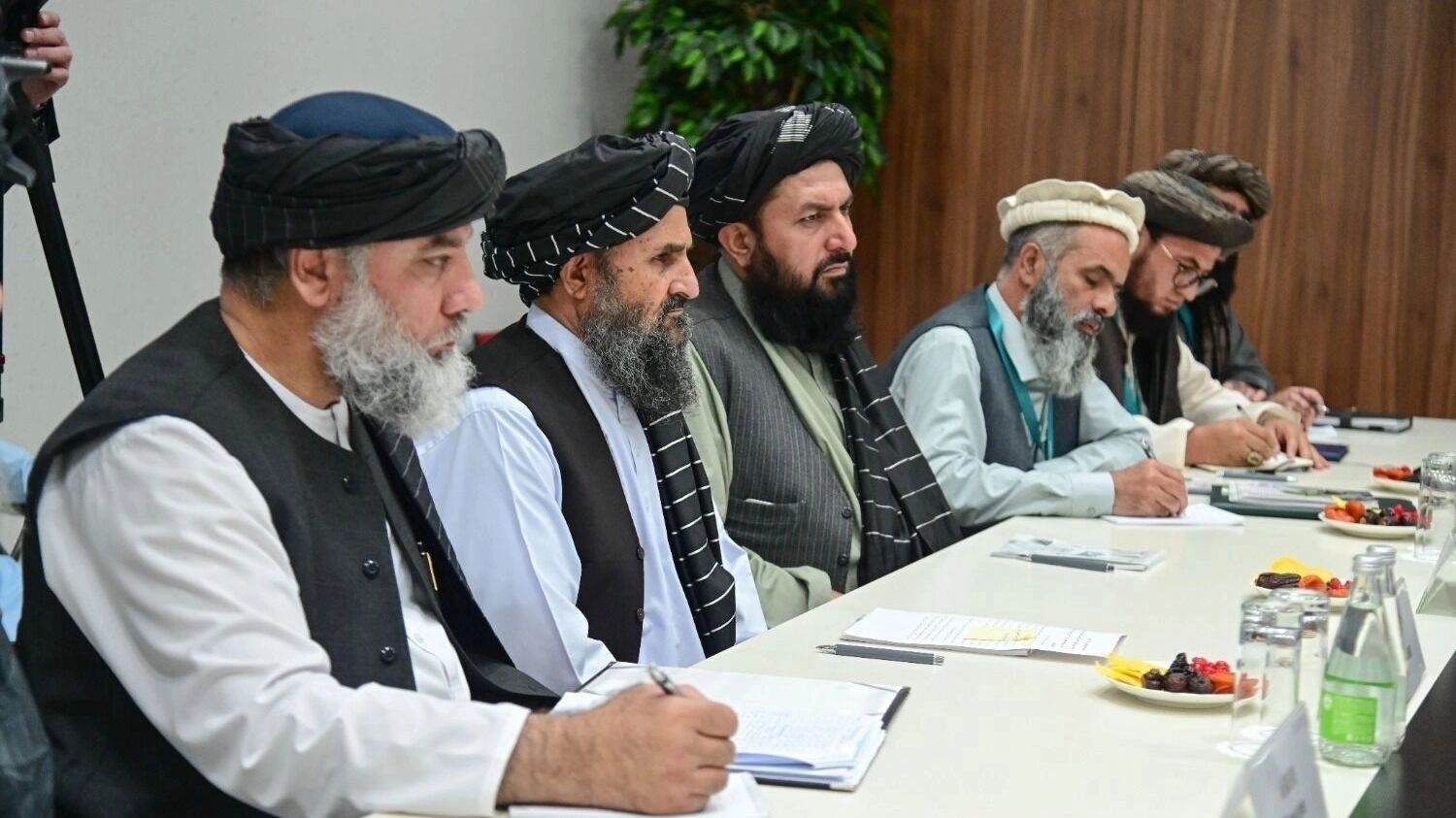
“Tatarstan has become a successful channel for cooperation between Russia and Afghanistan,” says Eldaniz Gusseinov, Chief of Research and Co-Founder of Nightingale Int., a geopolitical advisory firm specializing in Central Asia. “Many freight operators note that the movement of goods has become easier under Taliban rule,” Gusseinov continues. However, ambitious projects like the Trans-Afghan Railway remain years away, and Afghanistan’s ongoing conflict with Pakistan — along with widespread landmine contamination — present significant obstacles.
Gusseinov notes that higher-level institutions appear to have identified Tatarstan as a “niche for engagement,” consistent with Russia’s broader pattern of moving to where barriers to entry are low. But economic ties alone do not explain Moscow’s ambitions. To explain its deepening relations with the Taliban, Russia points to counterterrorism efforts; however, the reality is more nuanced.
The limits of counterterrorism cooperation
Russia frames cooperation with the Taliban as a necessary counterterrorism measure against the Islamic State Khorasan Province (ISKP), the regional branch of the Islamic State operating across Afghanistan, Pakistan, Iran, and Central Asia. Since ISKP claimed responsibility for the Crocus City Hall attack in Moscow in 2024, which killed 151 people, Russia has insisted that working with Kabul is essential for combating the group’s regional network.
Russia frames cooperation with the Taliban as a necessary counterterrorism measure
The Taliban has made efforts to counter ISKP, weakening the group through raids, arrests, and targeted killings. But in May, it claimed to have completely eliminated ISKP from Afghanistan, attributing the group’s continued activity to Pakistan rather than acknowledging its ongoing presence on Afghan soil. In addition, Afghanistan’s broader limitations compound the problem further. “The Taliban lacks many of the technical capabilities that supported the former Afghan government, including sophisticated surveillance systems, Western intelligence assistance, and advanced analytical resources,” explains Bifolchi. “As a result, its intelligence picture is often more dependent on human sources and local informants.”
The Taliban has also failed to dismantle militant networks more broadly. Despite claiming victory over ISKP, Kabul continues to allow the presence of al-Qaeda and the Tehrik-i-Taliban Pakistan (TTP), an Islamist militant group whose ties to the Taliban are a major driver of tensions with Islamabad. For Russia, however, even limited access to information inside Afghanistan carries value. Counterterrorism cooperation serves less as an end goal than as a mechanism for embedding Moscow inside Afghanistan’s security establishment long-term.
A gateway to influence in Central Asia
For Moscow, leverage in Afghanistan is a means to greater long-term influence in Central Asia. Russia’s 2023 Foreign Policy Concept identified greater engagement with Afghanistan as a strategic priority, framing it as part of a broader effort to integrate the country into the “Eurasian space” and stabilize a region Moscow considers integral to its security. ISKP attacks, cross-border militancy, and drug trafficking continue to destabilize Afghanistan’s northern neighbors, and the Russia-led Collective Security Treaty Organization (CSTO) military alliance has struggled to produce lasting solutions.
The CSTO has repeatedly discussed the deteriorating situation along Afghanistan’s borders, with its own leadership conceding that contacts with Kabul have not meaningfully improved security. The relationship should not be considered a “purely bilateral issue,” argues Bifolchi, but rather “part of a much broader geopolitical landscape.” At its core, that calculus is about maintaining Moscow’s role as Central Asia’s primary security guarantor, giving it a larger role in managing tensions along Afghanistan’s borders with Tajikistan and Pakistan, both of which maintain adversarial relations with the Taliban.
The agreement also suits the Taliban’s geopolitical interests. Pakistan and Afghanistan have been in open conflict since early 2026, driven by Islamabad’s accusations that Kabul harbours the TTP on Afghan soil. Afghanistan has thus framed the deal with Moscow partly as a deterrent. Upon his return from signing the deal, Afghan Defense Minister Mullah Yaqoob said that “in the near future, we will try to ensure that Pakistan no longer dares to attack [Afghan territory].”
Afghanistan has thus framed the deal with Moscow partly as a deterrent in the conflict with Pakistan
Russia’s interest in Afghanistan also connects to the region’s broader economic potential. China has become Central Asia’s dominant investor, and its growing commercial presence depends on regional stability. Rather than competing with Beijing, Moscow appears content to occupy a complementary role. “Moscow's objective is less about replacing Beijing and more about preserving its own influence,” says Bifolchi, with Russia positioning itself as the region’s primary security guarantor while China remains its dominant economic power.
For Moscow, that division of labor suits its current capabilities. “China’s own stability is closely linked to the stability of Central Asia due to the growth of overland trade and the integration of the two sides,” says Gusseinov. Cooperation with the Taliban gives Russia a foothold in the security architecture that underpins those economic interests. “For China, security is the key point of entry. Russia, meanwhile, appears interested in controlling that key in order to maintain influence over China and preserve its own position in the region,” Gusseinov adds. “Access to the Taliban as a communication channel only strengthens Russia’s hold on that key.”
A controversial exception no more
Russia’s engagement with the Taliban is not about rapid economic returns or decisive counterterrorism victories. Its calculation is longer-term: that establishing itself as Afghanistan's principal security partner today will translate into further leverage across Central Asia tomorrow.
The domestic politics are still catching up to this shift. Just two years ago, writing about the Taliban could result in a criminal case for “justifying terrorism.” Now, Russia has issued its first-ever fine for criticizing the group. “The authorities are increasingly treating engagement with the Taliban as a legitimate component of Russian foreign policy rather than as a controversial exception,” says Bifolchi. “As Russia deepens its engagement with the Taliban, the government faces the challenge of reconciling current policy with historical memory and public perceptions.”
For now, the tangible benefits for Russia remain limited. But with relatively little at stake financially or militarily, Moscow sees more to gain from engagement than from sitting on the sidelines. Whether that calculation pays off remains to be seen, but Russia has positioned itself where few others have been willing to go.