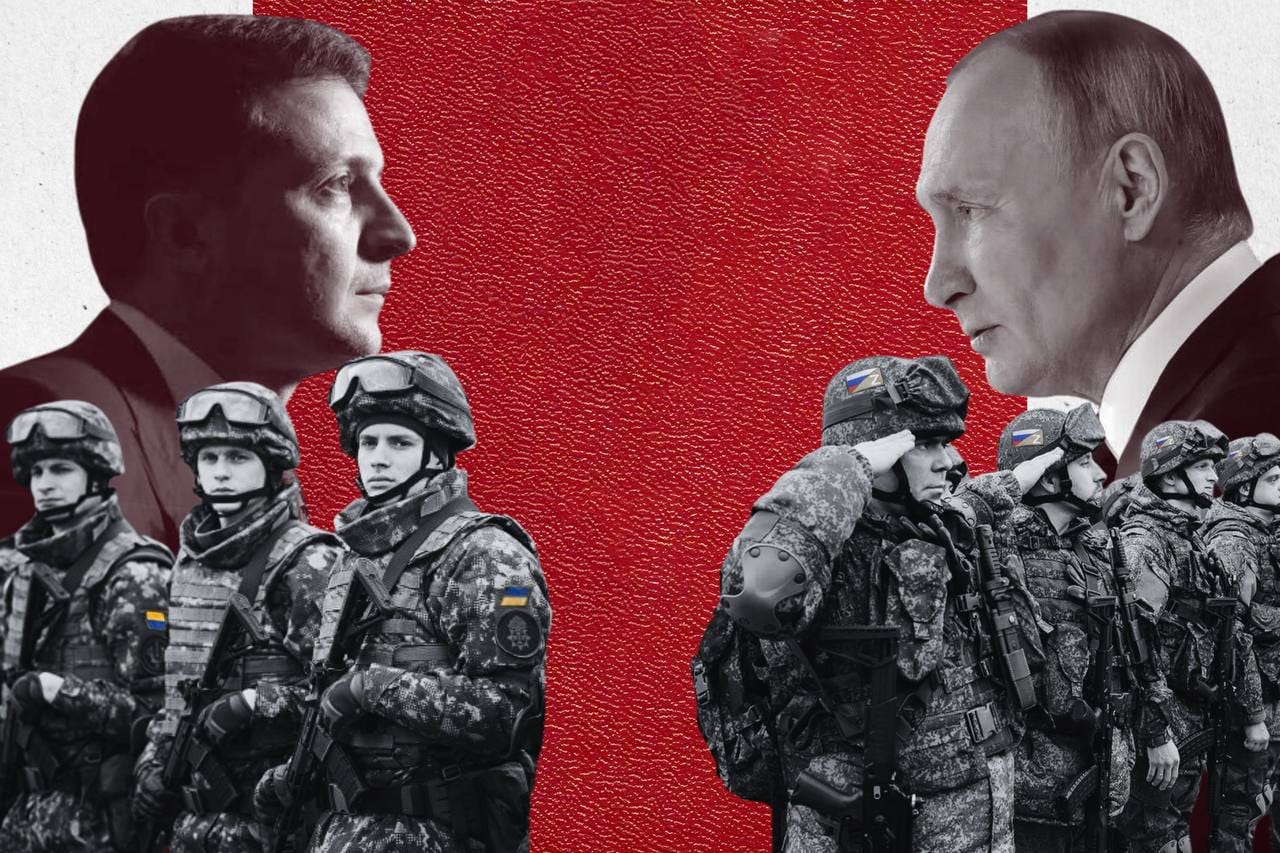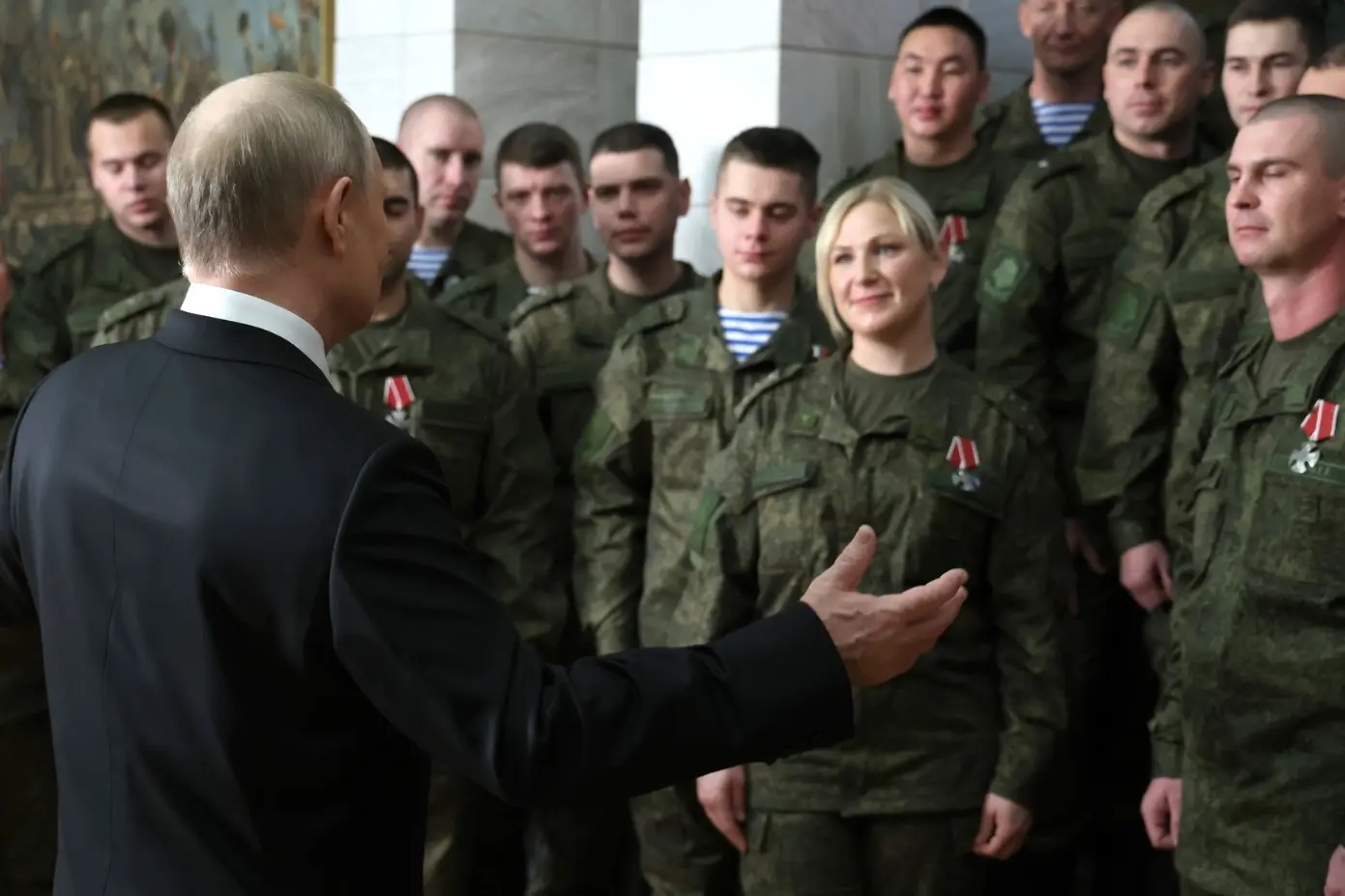
Rumors are spreading across Russia that a new wave of mobilization will begin sometime after the State Duma elections conclude on Sept. 20. There is no shortage of cause for such speculation: regions are holding mobilization exercises, employers are being reminded of their obligations regarding military registration of employees, and an electronic register of people who can legally be called up for military service has been compiled. The developments come at the same time the recruitment of voluntary contract soldiers is becoming increasingly expensive. Even if mobilization does take place, however, it is unlikely to significantly alter the situation on the battlefield in Donbas in the near term or to resolve Russia’s financial problems — particularly given that mobilization itself would require substantial funding.
New recruits are getting more expensive
The debate over a new mobilization comes down to a simple question: does the Russian army actually lack manpower? Different methods of counting produce very different estimates of both the potential number of new soldiers and they extent to which they would actually expand the armed forces rather than simply replacing losses.
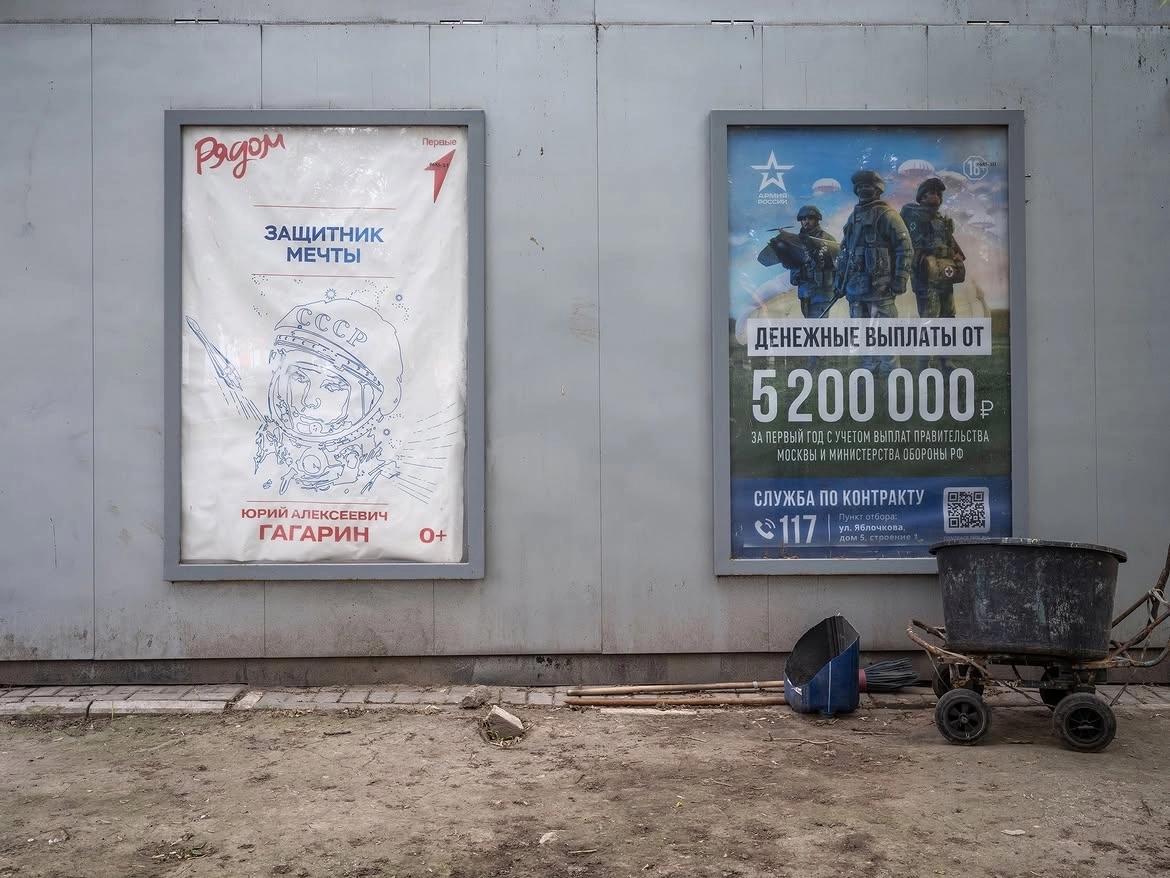
According to calculations by IStories based on federal budget expenditures for one-time enlistment bonuses, 71,200 people signed contracts with Russia’s Defense Ministry in the first quarter of 2026 and another 60,100 in the second. That puts the six-month total at 131,300 recruits, or an average of about 720 a day. This is almost the same as in the first half of 2025 (127,500), but it is roughly 20% below the 2024 figure. After falling in late 2025 and early 2026, the flow of contract recruits therefore appears to have stabilized.
However, economist Janis Kluge, who tracks regional budget spending, arrived at significantly higher figures: around 79,000 new contract soldiers in the first quarter of 2026 and about 93,000 in the second, or roughly 172,000 over six months — around 1,000 new contract soldiers a day in the second quarter. Deputy Security Council Chairman Dmitry Medvedev, meanwhile, cited an even higher figure: more than 200,000 contracts in the first half of the year.
The discrepancy between official statements and budget-based estimates has of course been seen before, and it is true that federal data on one-time payments probably do not capture the full scale of recruitment. For the calculations that follow, it therefore makes more sense to use a range rather than a single precise figure: roughly 700–1,000 new contract soldiers a day, or 20,000–30,000 a month.
The current rate of recruitment into the Russian armed forces is between 20,000 and 30,000 people a month
New calculations by Kluge published in September confirm this general estimate. According to regional budget data, approximately 234,000 contracts had been signed by the end of August 2026, compared with 260,000 over the same period in 2025. In August, the recruitment rate remained at around 1,000 people a day — a figure that was about 20% lower than a year earlier, despite higher payments and an increase in coercive recruitment.
Actual recruitment rates are probably still below the target set for regional authorities. As the Financial Times reported, the regions have been tasked with securing 409,000 new contracts by the end of 2026. Meeting that target would require an average of about 34,000 new contract soldiers a month, or 1,120 a day.
By itself, the current pace of recruitment is no longer enough to sustain the growth in the size of the Russian armed forces that was seen during the first years of the full-scale war. As military analysts Michael Kofman and Greg Wehner note, in 2023 the Russian military managed to replace its losses while significantly expanding its force, forming two new combined-arms armies, two motor-rifle divisions, and 27 new brigades and regiments. However, in 2024 the growth slowed, and by 2025 it had virtually stopped.
In September and December 2025, Vladimir Putin gave the same figure for the size of the force in the combat zone – around 700,000 troops. According to Kofman and Wehner, this suggests that the force had barely grown over the roughly 18 months since mid-2024. In June 2026, Putin again put the size of the Joint Grouping of Forces at 700,000.
It is difficult to assess the balance between reinforcements and departures more precisely. While estimates of the number of new contract soldiers differ by tens of thousands, estimates of Russian military casualties vary even more widely.
Using budgetary spending on compensation for the families of fallen soldiers, Kluge estimated Russian battlefield deaths in 2026 at roughly 9,000 a month — when compared with recruitment of 20,000–30,000 people a month, that would suggest no manpower shortfall at all.
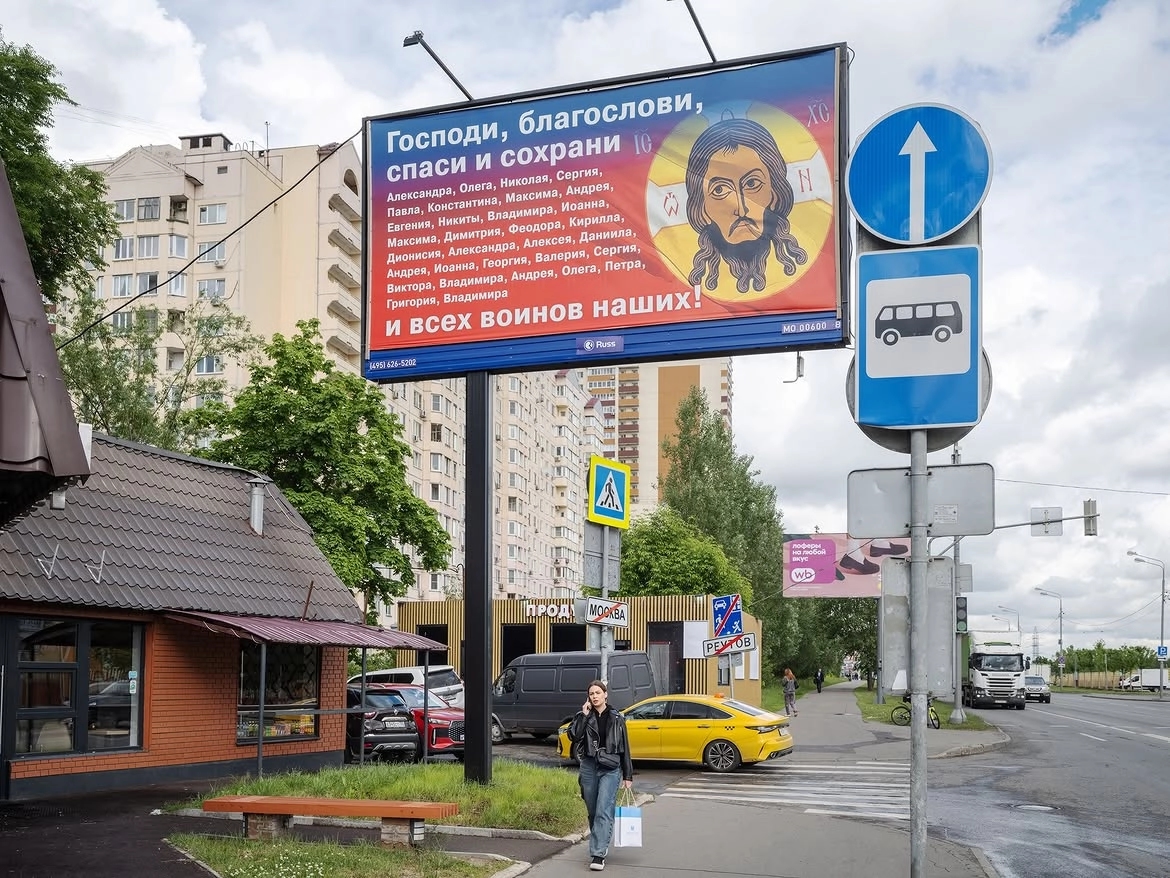
However, fatalities account for only part of Russia's irreversible losses. They must be supplemented by severely wounded soldiers, those who are no longer medically fit to return to the front, and troops who are missing, captured, deserting, or otherwise removed from active service. Simply adding the numbers of dead and wounded would also be misleading, since a significant share of wounded soldiers return to duty after treatment.
According to The Guardian the number of Russian killed and wounded reached around 30,000 in April 2026. At a recruitment rate of roughly 1,000 people a day, a substantial share of new recruits would go towards simply maintaining the existing strength of military units. The figures cannot, however, be compared directly without accounting for the proportion of wounded soldiers who return to duty.
The Ukrainian General Staff, for its part, puts the Russian army's personnel losses over the summer at 124,200 — 39,300 in June, 42,900 in July, and 42,000 in August – about 26% more than during the three months of the spring and significantly above the current rate of contract recruitment. However, Ukrainian statistics count all personnel losses, not just irreversible ones, meaning the 124,200 figure cannot be directly compared with the number of new contract soldiers either.
The Financial Times reports that the Russian military command is sending most new contract recruits to existing units rather than using them to build a trained reserve. The current pace of contract recruitment is therefore probably somewhat below the target set for the regions.
There is another constraint that gets lost in the aggregate statistics: 30,000 recruits do not equal 30,000 soldiers with the skills the military needs. This is particularly evident in the Unmanned Systems Forces, established in late 2025. According to IStories, the Defense Ministry planned to recruit around 78,800 people for the new branch by the end of 2026. Most were not expected to come from ordinary contract recruits, with a target of 58,000 to be recruited from among students, graduates of DOSAAFtraining courses, former aviation personnel, and “women” with the necessary training. Another 10,800 were to be conscripts transferred to contract service, while only around 10,000 were to be transferred from other military units.
However, on July 17, 2026, Deputy Defense Minister Alexey Krivoruchko said that just over 8,000 specialists had been trained for the Unmanned Systems Forces in the first half of the year. The Conflict Intelligence Team noted that, if the annual target were being met evenly, the figure should have been roughly four times higher by that point. Analysts attribute part of the shortfall to the failure of the campaign to recruit students despite reports from Novaya Gazeta Europe that at least 47 of Russia’s 50 leading universities had campaigned to persuade students to sign such contracts.
After the mass call-up in the fall of 2022, the Russian authorities effectively built an alternative system of continuous military recruitment. The state tried dozens of methods for recruiting people, from advertising contract service and offering large bonuses to using paid intermediaries, conducting raids, targeting men with debts and financial problems, recruiting foreigners, and pressuring conscripts, prisoners, and defendants to sign up for contract service. This system has so far allowed the Russian military command to avoid a second wave of mass mobilization.
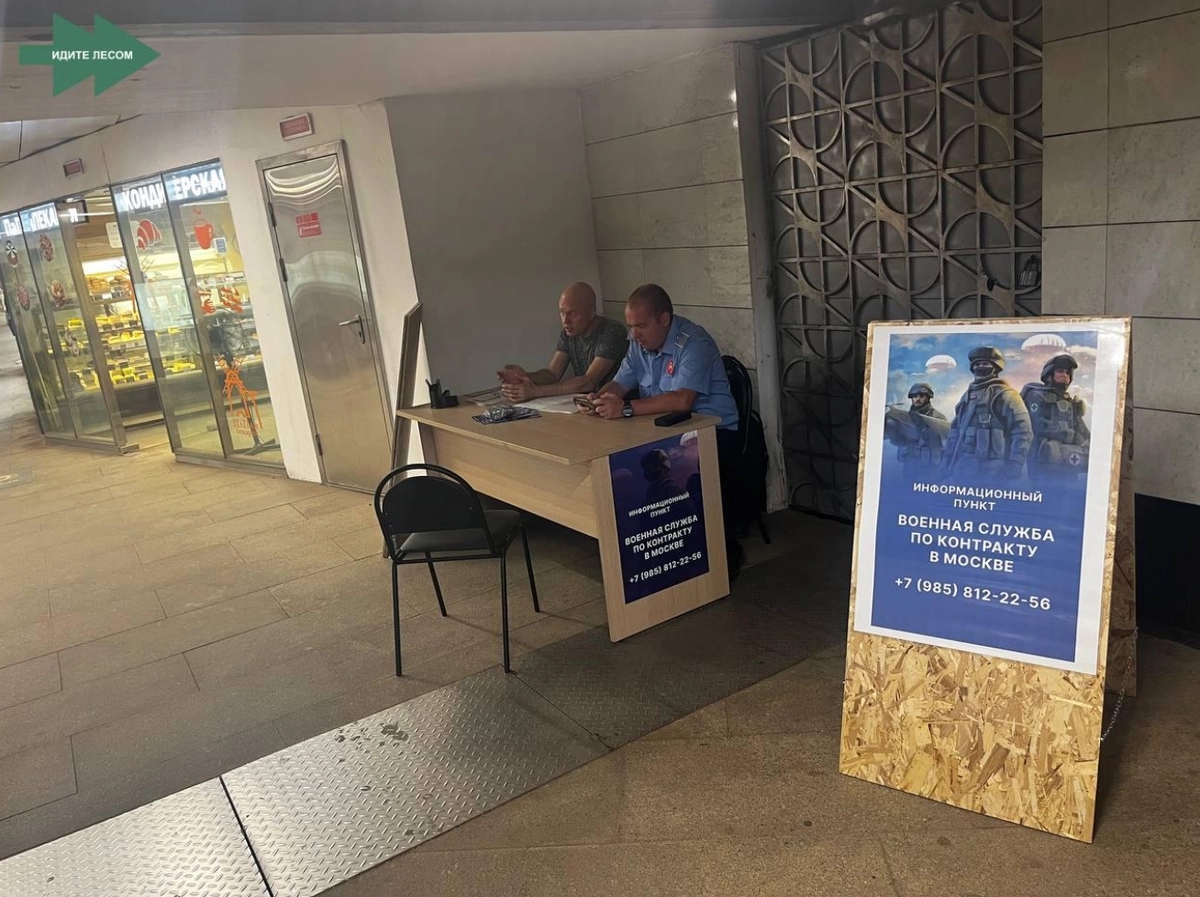
Nevertheless, maintaining the previous flow of recruits has become increasingly expensive. Higher payments can indeed temporarily boost recruitment, and after Tyumen region raised its one-time enlistment bonus to 3 million rubles ($35,600), a local military recruitment official reported that the number of inquiries had doubled. However, the need to keep raising both enlistment bonuses and payments to recruiters suggests that the previous level of financial incentives is no longer sufficient to meet recruitment targets. In Moscow, for example, according to sources cited by IStories and Verstka, the flow of recruits fell by roughly a third in the spring compared with the previous year.
The pool of potential recruits is also expanding. In September 2026, Irkutsk region cut the enlistment bonus for Russian citizens from 2.1 million ($24,850) to 1.8 million rubles ($21,300), while introducing a 900,000-ruble ($10,650) payment for foreign citizens and stateless people.
In August, authorities in Zabaykalsky Krai raised the regional payment for foreign citizens and stateless people from 400,000 rubles to 900,000 rubles ($4,750 to $10,650). However, at the same time, they cut the payment for mobilized soldiers who sign contracts from 2 million rubles to 400,000 rubles ($23,650 to $4,750). The contrast illustrates the logic of the current system: regional authorities have little reason to pay as much for someone already serving in the Russian armed forces as they do to bring in a new recruit.
At the same time, the Russian authorities are removing legal barriers to another source of manpower. In August, Putin signed a law expanding the categories of convicts who can sign contracts with the Defense Ministry during periods of mobilization, martial law, or wartime. During the bill’s consideration, Deputy Defense Minister Viktor Goremykin explicitly linked the change to the need to meet the military’s 2026 recruitment target. Kluge views such measures as an additional way to sustain the current recruitment rate.
Here it is important to distinguish between having enough people to replenish infantry units and having enough young, healthy, and trainable recruits for more specialized roles. According to sources cited by Important Stories and Verstka, the share of older recruits and men with serious health problems is growing.
In spring 2026, a source in one military unit claimed that contract recruits had “literally been scraped out of all the villages around here,” forcing recruiters to look for people in other regions. Such accounts cannot be extrapolated to the Russian army as a whole, but they point to another possible limit of the current model: not a shortage of people in general, but a dwindling pool of suitable recruits.
Russian statistics make it possible to count debtors, unemployed people, and those with criminal records, but they cannot show how many are actually fit for military service. It is therefore impossible to calculate mechanically how many months of war Russia can sustain by recruiting from among the poor and indebted.
The extent to which this pool is being depleted can, however, be assessed indirectly by looking at the cost of each next recruit and the effort required to find him. If maintaining roughly the same recruitment rate requires higher payments, more paid intermediaries, searches outside the region, and lower age and health requirements, that suggests the marginal cost of each additional recruit is rising.
That alone, however, does not prove that potential contract soldiers are running out: bonuses of several million rubles remain an enormous incentive for many Russian families.
Why might Putin need mobilization?
What matters is not so much the number of soldiers as the task the Russian military command expects them to perform. Replacing losses may be enough to sustain the current slow advance, but significantly accelerating the offensive, creating an operational reserve, or forming new force groupings would require a much larger pool of troops.
Over the past two years, the Russian military has adapted its offensive tactics in order to fit its limited capabilities. As early as 2024, Russian forces had already largely abandoned attempts to launch repeated attacks with large mechanized formations, instead shifting to small infantry assaults. In 2025, this tactic evolved further — into what has been described as “infiltration,” allowing Russian forces to maintain continuous pressure along a broad front using extremely slow advances that are difficult to turn into an operational breakthrough.
Kofman and Wehner note a paradox: as the Russian force grew, the size of the force the command could deploy simultaneously in direct attacks actually declined. The reason is the battlefield’s saturation with minefields, artillery, prepared defensive positions, and drones of both the reconnaissance and strike variety, all of which combine to make large concentrations of troops highly visible and extremely vulnerable.
As a result, brigades numbering several thousand troops can spend months advancing along a single ravine or toward one or two villages, even as very few of them can take part simultaneously in assaults. The Russian command has numerical superiority across the theater but cannot fully translate it into local superiority on the battlefield.
This is particularly important when assessing the prospects of an offensive against the Ukrainian-held cities of Sloviansk and Kramatorsk, which form the northern part of a larger fortified belt of cities that also includes Druzhkivka and Kostiantynivka. The towns are separated by rivers, high ground, and wooded areas.
As of early September, the nearest Russian positions on the Lyman axis were 7–10 kilometers from Sloviansk — close enough for Russian artillery to shell the city. According to an officer with the 11th Army Corps of the Ukrainian Armed Forces, the Russian command has reinforced the sector with the 123rd Motor Rifle Brigade (which was previously involved in fighting around the Siversk salient), giving it the ability to threaten Ukrainian logistics. The Russian army has therefore moved closer to direct fighting for the Sloviansk–Kramatorsk urban area, while Ukraine’s new commander-in-chief, Mykhailo Drapatyi, is effectively restructuring the defense command system around the expected battle for the area.
Ukraine’s military command system is being reshaped for the coming battle for Sloviansk and Kramatorsk
If the current model remains in place, the most likely first scenario is a continuation of the slow advance without a new mobilization. The Russian command could continue sending reinforcements directly to active units, replenishing assault infantry and gradually attempting to encircle the urban area from several directions while simultaneously degrading Ukrainian logistics and positions with drones, artillery, and airstrikes.
Kofman, however, described the 2026 campaign as significantly less successful for the Russian military than those of previous years. He stressed that the current rate of advance cannot simply be extrapolated to a date when the entire Donetsk region would be captured, as the outcome depends not only on Russian resources but also on the effectiveness of Ukrainian defenses.
Additional mobilization is not a prerequisite for continuing the offensive. The Russian army has sustained its advance for several years with virtually no operational pauses: newly formed or rebuilt units are generally not held in reserve but sent directly to different sectors of the front. Even Russia’s airborne forces and naval infantry are typically pulled from one sector, rapidly replenished, and redeployed to another rather than being kept as a permanent operational reserve. This system allows the Russian command to maintain pressure, but also makes it difficult to accumulate forces for a separate large-scale operation.
The second scenario is an attempt to sharply accelerate the capture of the remaining part of the Donetsk region by deploying a larger mass of infantry. At first glance, a new mobilization might seem the most obvious solution.
Kofman, however, considers this approach unlikely to be effective. In his assessment, if the Russian command simply adds several regiments or divisions to sectors already crowded with troops and continues to use them in the same way, the result will be higher casualties more than anything else. Even 100,000 additional troops would not automatically translate into 100,000 assault troops who could be deployed simultaneously to capture Sloviansk and Kramatorsk quickly.
A radical acceleration of the offensive would require not just more troops, but the ability to conduct larger, coordinated operations. This means a sufficient numbers of trained junior commanders and specialists, engineering support and logistics, and the ability to concentrate forces without allowing Ukrainian reconnaissance and drones to destroy them before they enter the fight.
Linear growth in troop numbers will not work without changes in tactics and organizational support
The third scenario better explains why the Russian leadership might need mobilization: not to reinforce existing assault units, but to form new ones and thereby change the geography of the war.
Kofman considers the most dangerous option to be the creation of additional regiments and several new corps that could be deployed, for example, in the Kharkiv, Sumy, or Chernihiv directions. Even without an immediate objective of capturing major cities, the emergence of substantial Russian troops there would force the Ukrainian command to keep additional brigades in the north and northeast instead of deploying them in Donbas or Zaporizhzhia. In this scenario, mobilization would not be about sending another 100,000 troops toward Kramatorsk, but about creating a shortage of reserves for the Ukrainian Armed Forces across several fronts at once.
This may be the purpose behind the 300,000–500,000 additional troops discussed, among other places, in an analytical memo published by the Black Mirror hacker group. The memo describes a mobilization on this scale as being potentially part of a much more ambitious scenario aimed at achieving a “decisive military advantage” that would allow Russia to establish control over the entire territory of the four annexed regions and Kharkiv region before forcing the Ukrainian authorities into negotiations. The authors consider 300,000–500,000 mobilized troops insufficient on their own, however, as the Russian military would also need to expand air support, strengthen defenses in the rear, and develop its drone capabilities.
Even if a mobilization decision is made, it will not determine the outcome of the 2026 campaign. Mobilized troops have to be assembled, assigned to units, given at least basic training, provided with commanders and equipment, and deployed to the front. And forming new units takes even longer.
Kofman estimates the minimum cycle for building such forces at roughly three months and notes that, in order to significantly accelerate the offensive in 2026, mobilization would have had to begin around May. An autumn mobilization – if it happens at all – would therefore primarily be a decision focused on influencing the 2027 campaign.
What could Putin achieve by expanding the army in 2027?
There is no definitive answer to where Putin’s war aims end. His territorial demands have shifted with the negotiating context. In summer 2024, Putin demanded that Ukrainian forces withdraw from the entire territory of the four Ukrainian regions claimed by Russia — Donetsk, Luhansk, Kherson, and Zaporizhzhia — as a condition for a ceasefire (while Russian-annexed Crimea remained non-negotiable).
During U.S.-mediated negotiations in 2025, according to Reuters, he was reportedly prepared to halt fighting along the existing front line in the Zaporizhzhia and Kherson regions but continued to demand the entire Donbas. This did not, however, mean that he had abandoned his claims to the other territories: in late June 2026, Putin again publicly described full control of Donbas, plus Zaporizhzhia and Kherson regions, as the goal of the “special military operation.”
After capturing the remaining part of Donetsk region, the Russian military would therefore face a much more difficult task in the south. To fully occupy Zaporizhzhia and Kherson regions, Russian forces would have to capture the major city of Zaporizhzhia, cross the Dnipro, and retake Kherson (which Russian troops abandoned in fall 2022). These would be operations on an entirely different scale from the current advance by small assault groups in Donbas.
So far, there are no clear signs that such operations are being prepared. In summer 2026, the pace of the Russian advance remained slow. Russian forces are positioned south of Zaporizhzhia, but Ukrainian defenses have so far prevented them from advancing toward the city. There are even fewer signs of preparations for a major operation across the Dnipro to retake Kherson. Meanwhile, Ukrainian forces have stepped up strikes on Russian logistics in the south, including on the port of Mariupol and the Chongar Bridge linking the occupied territories with Crimea.
If Putin intends to use military force to gain full control over all the Ukrainian territories he has incorporated into Russia’s constitution, the Russian military would have to continue its offensive in the south while holding a front more than 1,000 kilometers long. This would seem difficult without recruiting hundreds of thousands of additional troops for next year’s campaign.
But the Russian military’s potential objectives do not end with the territories incorporated into the constitution. Putin also seeks to expand a “security zone” along the Russian-Ukrainian border. Initially, Russian authorities linked the creation of such a zone to protecting the Belgorod region, and later, they invoked Ukraine’s 2024-2025 operation in the Kursk region as justification.
In June 2026, Putin stated explicitly that the Russian military’s objective in the Sumy and Vovchansk sectors was to seize Ukrainian territory along the border, presenting the loss of this territory as Ukraine’s price for its incursion into the Kursk region. In July, following an intensification of Ukrainian strikes on Russian energy infrastructure, Putin again said that additional territory beyond Donbas needed to be seized in order to expand Russia's “buffer zone.”
There is no predetermined geographic boundary to such an objective. The greater the range of Ukrainian drones and other strike capabilities, the less realistic it becomes to secure Russia’s border regions simply by pushing the front line farther away. Nevertheless, the concept of a “security zone” provides the Russian authorities with a rationale for military operations in Ukraine's Kharkiv and Sumy regions, which Moscow has not formally declared part of Russia.
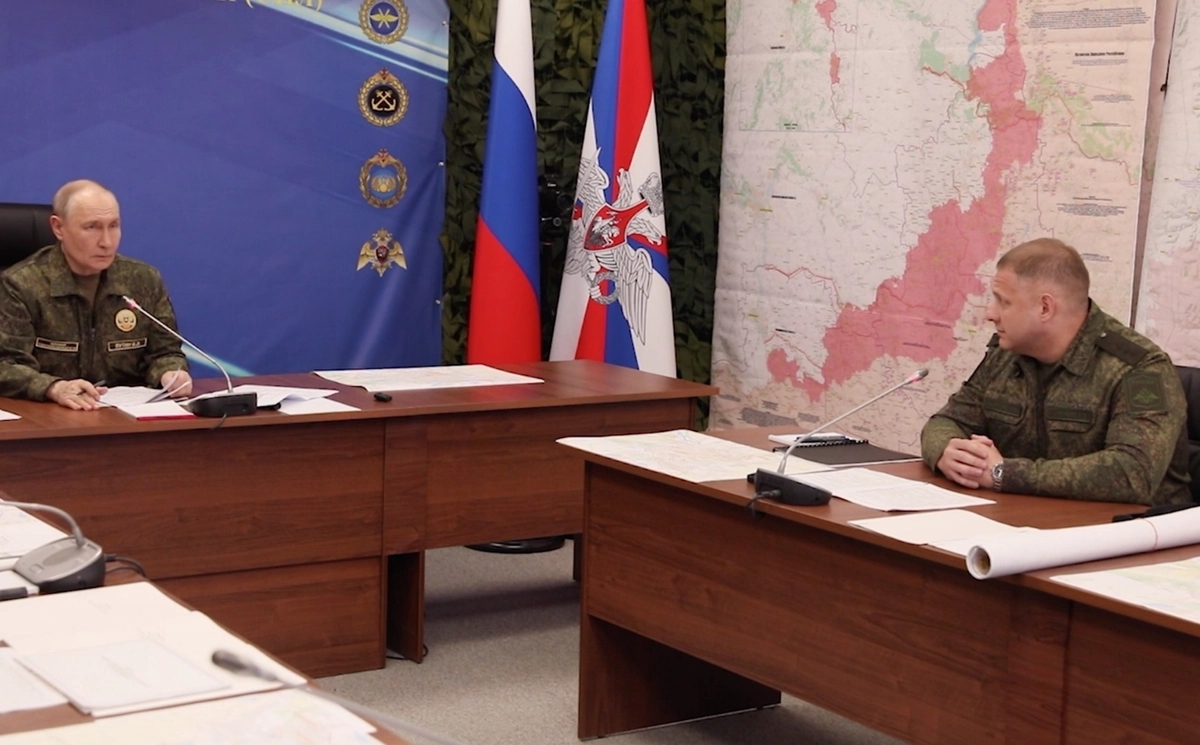
Still, this does not mean that Putin has decided to pursue such a widespread campaign. For now, the most concrete near-term territorial objective remains the part of Donetsk region that Russia does not yet control, and the timeline for achieving it remains unclear, even if Ukrainian officials have repeatedly claimed that the Russian command aims to do so by the end of 2026. In August, Vadym Skibitskyi, deputy head of Ukraine’s Main Intelligence Directorate, said that this deadline was included in the Russian General Staff’s plans, and in late August, Deputy Head of the Presidential Office Pavlo Palisa made a similar claim. However, there is no independent confirmation that such an order exists.
The Institute for the Study of War contends that the Russian command has repeatedly missed projected deadlines for capturing Donetsk region. The Conflict Intelligence Team, neverthless, argues that reports of yet another deadline allegedly set by Putin for the capture of Donbas should not be taken too seriously. In their analysts’ view, Putin is satisfied with the current pace of fighting, meaning a new mobilization is unlikely to be necessary.
The cost of avoiding mobilization – and the cost of carrying it out
Avoiding mobilization is becoming increasingly expensive for the Russian authorities. In addition to the federal payment of 400,000 rubles ($4,750), new contract recruits receive a regional bonus. According to economist Janis Kluge’s estimate, its average size reached a record 1.65 million rubles ($19,500) by August, up from 1.47 million ($17,400) in March, while the regions’ actual spending on such payments rose by about 30%. Including payments to intermediaries, the regional cost of recruiting a single contract soldier increased from roughly 1.4 million rubles ($16,550) in mid-2025 to 1.8–1.9 million ($21,900) in 2026. Including the federal payment, the state is therefore paying roughly 2.2–2.3 million rubles ($26,600) to recruit each new contract soldier.
At least 11 Russian regions (plus occupied Sevastopol) raised their enlistment bonuses over the summer. In early fall, a number of southern Russian regions followed suit. As Kluge notes, some regions are funding the higher bonuses by cutting other areas of spending, from pay increases for public-sector workers to regional payments to the families of fallen soldiers.
The increase in payments to recruits has been accompanied by an expansion of the recruitment machinery itself. By August 2026, 56 Russian regions were offering rewards for bringing in a new contract soldier, compared with 31 in fall 2025. According to The Moscow Times, at least 38 regions have formally established such payments through regional or municipal regulations. The state has effectively created a market of intermediaries that are paid to find new soldiers.

IStories calculated that in 2026, the regions’ average monthly spending on recruiter bonuses had more than doubled, from 358 million rubles ($4.2 million) to 802 million ($9.5 million). By mid-May, regional authorities had spent at least 7.7 billion rubles ($91.1 million) on such payments. In some regions, recruiters receive 100,000 rubles or more for each contract recruit they bring in.
At current payment levels, recruiting an additional 100,000 people would require roughly 220–230 billion rubles ($2.7 billion) in one-time bonuses; 300,000 would cost 660–690 billion ($8.0 billion), and 500,000 would cost 1.1–1.15 trillion rubles ($13.6 billion). This is a rough estimate: payments vary widely between regions and are frequently changed. But the scale makes the key point clear: building an additional force of 300,000–500,000 contract soldiers would cost around a trillion rubles before the state even begins paying them their regular salaries.
Mobilization saves money specifically on buying people’s consent. The state does not have to offer a conscript several million rubles to sign a contract, and it does not have to pay recruiters to find them. However, that is where the savings end. Mobilized soldiers must be trained, clothed, armed, housed, transported to the front, and then paid and maintained like other service members. Simply paying 300,000 mobilized soldiers the minimum monthly allowance of around 195,000 ($2,300) rubles would cost more than 700 billion rubles ($8.3 billion) a year.
Mobilization saves money on buying people’s consent
Finally, mobilization carries a cost that cannot be captured in any budget line. The first wave turned out to be one of the Russian government’s most unpopular decisions since the start of the war and triggered a mass exodus of men from the country numbering in the hundreds of thousands. A new mobilization would exacerbate labor shortages in two ways: several hundred thousand more men would be taken into the army, while countless others would try to evade the draft.
Additional spending would come at a time when the budget is in significantly worse shape than it was in 2022. Beginning in 2026, the government raised VAT from 20% to 22%, with the Finance Ministry explicitly citing the need to finance defense and security, including military pay and support for soldiers’ families, as a reason for the additional trillion rubles in revenue. In the first eight months of 2026, the federal budget deficit reached 5.8 trillion rubles ($68.6 billion), while the government’s ability to cover it with reserves and cheap borrowing has diminished.
The contract system, by contrast, allows the economic and social cost of drawing people into the military to be spread over time. Instead of drafting several hundred thousand people simultaneously, the state recruits hundreds of volunteers every day, many of them from groups for whom several million rubles is worth more than the income they would otherwise earn.
In other words, contract recruitment does not necessarily remove every new recruit from an already tight labor market. Russian authorities can continue recruiting among homeless people, people with alcohol or drug dependencies, and other socially disadvantaged groups, some of whom have no regular employment. The size of this pool, however, is unknown. The official 2020 census counted only 11,000 homeless people, while experts in 2024 estimated the actual number at around 2 million, including roughly 1.1 million men. In 2024, about 980,000 Russians were registered as having alcohol dependence and 208,000 as having drug dependence. It is not known, however, what proportion of these people are fit for military service, have not already been recruited, and are willing to sign a contract.
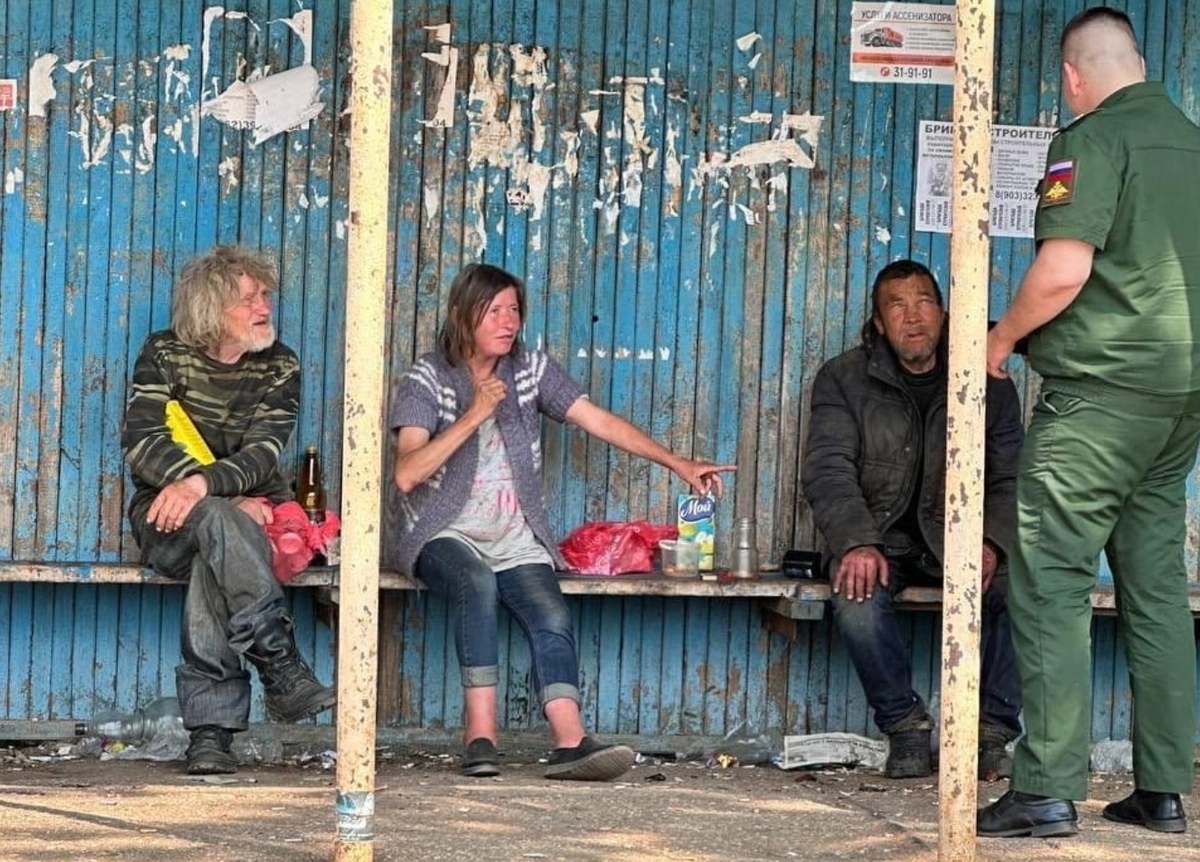
Notably, the threat of mobilization itself helps sustain the contract recruitment system. As The Guardian reports, recruiters use it as an argument: it is better to sign a contract now and get paid than risk being drafted into the army later without receiving a bonus. The result is a paradox: fear of a new mobilization helps the Russian authorities recruit more people than they otherwise would have, thereby allowing them to postpone mobilization.
What is known about preparations for mobilization
The Russian authorities are far better prepared technically for a new mobilization than they were in the fall of 2022. The clearest example is the Unified Register of Military Registration, created after the first wave.
As IStories found in a leak of documents from Mikord, one of the companies that developed the system, mobilization was built into it from the outset as a separate scenario. The register allows authorities to identify people liable for military service, send out draft notices (without any limit on their number), track the potential number of mobilized troops, and transmit information for imposing travel bans and other restrictions. The system’s capacity is currently designed to send up to one million draft notices a year.
In summer 2026, more explicit signs of mobilization-readiness testing emerged. In June, officials from the administrations of neighboring regions took part in mass-mobilization exercises in Volzhsky, Volgograd region. They practiced setting up a preliminary assembly point, notifying citizens, receiving military equipment, and operating a mobilization headquarters. In July, according to The Wall Street Journal (citing Western intelligence agencies), the military conducted a similar exercise in Kaliningrad region, practicing the accommodation, feeding, and arming of mobilized troops. The newspaper’s sources claim that similar exercises are being held in other regions.
The organizers of the Volzhsky exercises, however, offered a more prosaic explanation: mobilization preparedness is a “peacetime process,” and such drills are held every year.

At the same time, mobilization has become more prominent in the government’s dealings with employers. In July, three professional publications for accountants, HR specialists, and business executives published or updated guidelines on what employers should do in the event of mobilization. According to a source at the Alabuga industrial complex, the management there also received mobilization instructions in August. There were reports that major companies were compiling lists of employees exempt from mobilization, as well as an alleged order for a mobilization drill at a Gazprom facility. The Alabuga account and the authenticity of the document attributed to Gazprom could not be independently verified.
At the same time, the surge in guidance for employers does not in itself prove that a new mobilization is being prepared. Since 2022, requirements for military registration and the liability of organizations have been steadily tightened.
On September 4, Sberbank held an internal meeting on reserving employees against mobilization, according to sources at the state-owned bank cited by Mozhem Obyasnit. According to the sources, beginning September 10, Sberbank would begin cross-checking the military-registration records of all its employees. Notably, this was the first time the bank had held such a meeting.
The Russian authorities are also continuing to build out the administrative infrastructure that could be used in a mobilization. In August, the government introduced Bill No. 1322096-8, which would establish administrative penalties for failing to comply with decisions by regional governors and operational headquarters. The bill’s explanatory note explicitly lists mobilization measures and meeting the needs of the armed forces among the tasks of these bodies.
Earlier, the Prosecutor General’s Office updated its procedures for overseeing military registration, including the transfer of information on people liable for military service, employee exemptions, and deferments. None of these measures necessarily points to preparations for a new wave of mobilization on its own. Taken together, however, they show that the state continues to keep the mobilization machinery operational.
Russia is steadily strengthening its administrative infrastructure for mobilization
This is the main difference from September 2022. Back then, the authorities first announced the call-up of 300,000 people, but many of the mechanisms for registration, notification, and oversight had to be created or reworked after mobilization had already begun. Military recruitment office databases were incomplete, businesses and regional authorities often had to work out the rules as the campaign unfolded, and there was no electronic draft-notice register. Now, by contrast, much of this infrastructure exists on a permanent basis.
Still, this does not mean that a decision on a new mobilization has already been made, and as The Wall Street Journal's intelligence sources say, no such decision has yet been made. The Guardian reached the same conclusion: in mid-August, two people familiar with discussions in Moscow, plus a Western official, saw no sign that Putin had decided to launch a new mass call-up. For now, the Russian authorities’ actions can be interpreted equally plausibly as preparations for creating the option of future mobilization, or as an effort to put everything in place in order to avoid actually having to mobilize.
In recent months, Russian officials have conspicuously denied that a new call-up is being considered. In July, Deputy Security Council Chairman Dmitry Medvedev called reports of mobilization a “lying provocation.” On Aug. 20, Russia’s UN ambassador Vasily Nebenzya said that it was “neither planned nor expected.” On August 25, presidential spokesman Dmitry Peskov dismissed the reports as “information hoaxes,” while three days later Medvedev again said that mobilization was unnecessary because there were enough contract soldiers. Then, on Sept. 1 and 3, Putin joined them, calling the mobilization rumors (1, 2) “complete crap” and an “information attack.” For now, however, these repeated denials are the strongest public indication that the authorities are concerned enough about the mobilization issue to address it repeatedly.
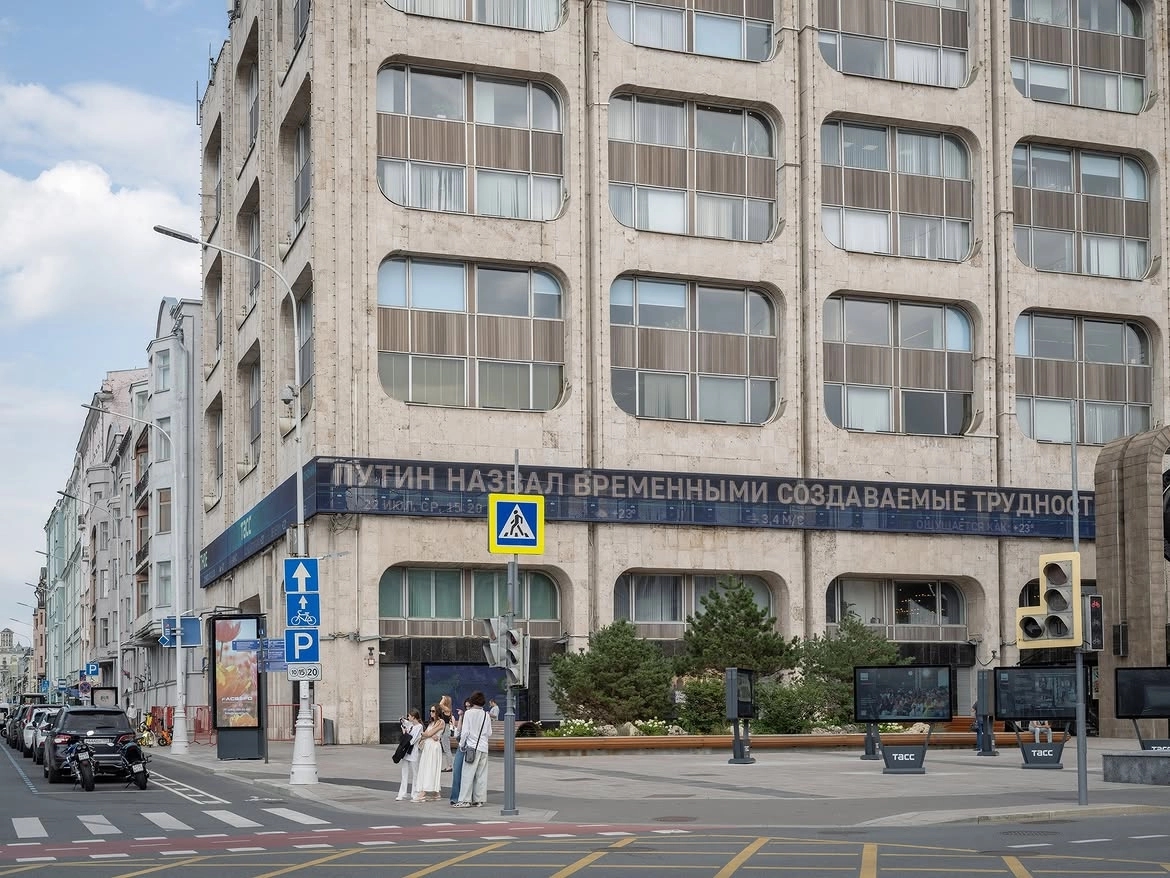
In any case, the state is maintaining and refining the infrastructure needed to carry out a mass call-up quickly while simultaneously spending ever more money and resources to replenishing the army without one.
So, are the Russian authorities preparing for a new mobilization? The answer is: they are preparing for the possibility. The electronic register, system of restrictions, mobilization exercises, work with employers, and legal framework make a repeat of the organizational chaos of September 2022 less likely. The decision will depend primarily on whether Putin wants to expand military operations in 2027 or if he limit his aims to eventually capturing Donbas. In other words, it will depend on whether he has a military objective important enough to justify the political and economic cost of forcibly recruiting several hundred thousand more Russians quickly.